
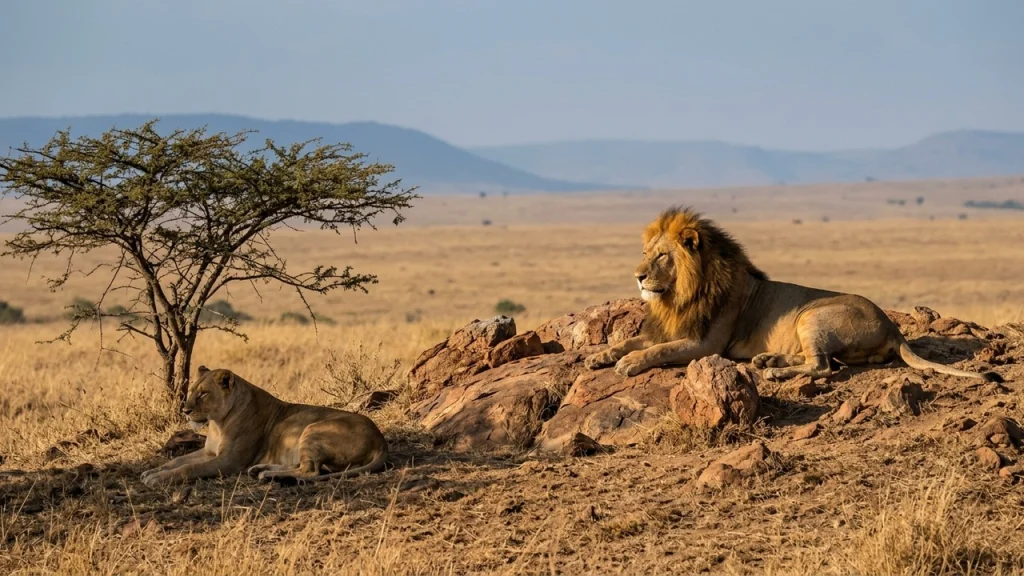
A wild lioness may live as long as 16 years, but males rarely make it past 12, according to Smithsonian’s National Zoo. The same organization says that in zoos, lions may reach their late teens or early 20s.
San Diego Zoo Wildlife Alliance gives a median life expectancy of 16.9 years in managed care and says that is longer than in the wild. Separately, the same fact sheet says few females live past 18 years of age, and that males are shorter-lived than most females and rarely reach 16 years. Animal Diversity Web lists 30 years as the high figure for lions in captivity.
Female lions in zoos
In a Scientific Reports analysis, female lions in the zoo population lived longer. They also had lower baseline annual mortality and a later onset of senescence, and their mortality rose more slowly each year.
Cub survival
Cubs face their greatest danger early. San Diego Zoo Wildlife Alliance says cub mortality is highest in the first year and averages 60%, with infanticide, abandonment, starvation and disease as causes. Smithsonian’s National Zoo says as many as 80 percent of lion cubs die before reaching 2 years of age, citing starvation during food shortages and attacks by male lions taking over prides.
Smithsonian’s National Zoo adds that males that enter a new pride kill all the cubs that cannot run away from them. San Diego Zoo Wildlife Alliance names leopards, hyenas and other lions as examples of cub predators, and says buffalo and elephant occasionally gore or trample them. Once a cub passes its first year, mortality declines to less than 20%, the fact sheet says.
Disease outbreaks and other causes of death
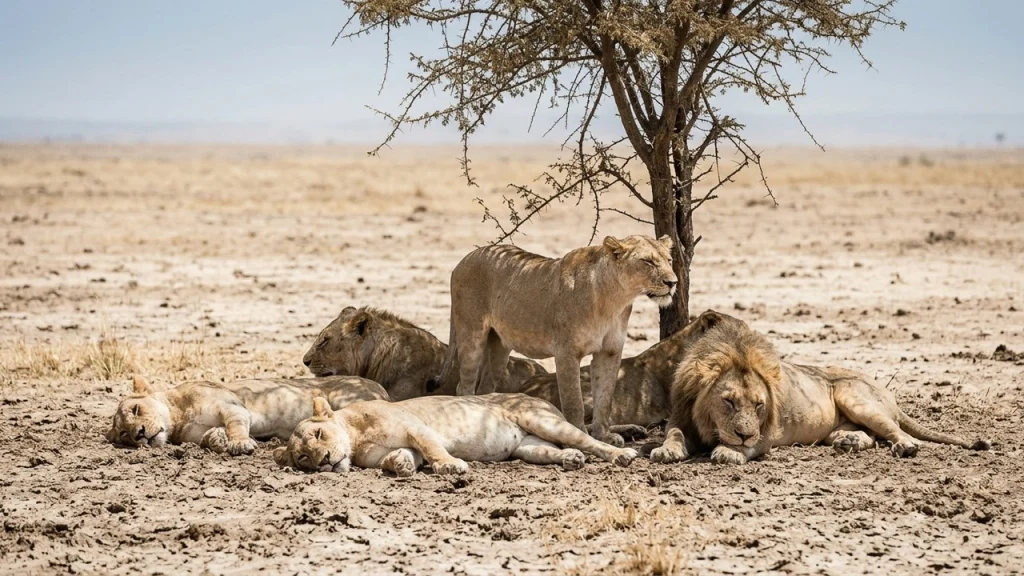
San Diego Zoo Wildlife Alliance lists illness, disease, starvation, abandonment, old age, fights and accidents as causes of mortality. A canine distemper virus epidemic in 1994 coincided with the death of a third of the Serengeti lion population. Another high-mortality outbreak of the virus hit the nearby Ngorongoro Crater lions in 2001. Prides with the most Babesia had the highest mortality rates, and many prides suffered more than 67% mortality.
Pride life for females and males
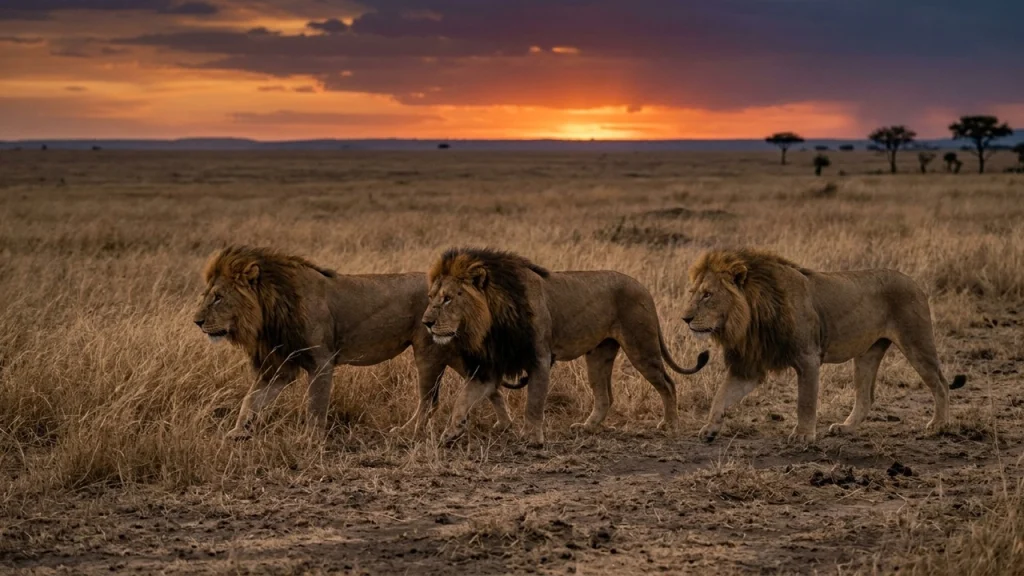
Lions are the world’s most social felines, according to Smithsonian’s National Zoo. Females usually spend their whole lives in their mothers’ prides unless food scarcity forces them out.
Young males are driven out of their prides once they are big enough to compete with the dominant males, usually when they are between 2 and 4 years old. They team up in coalitions, usually with brothers and cousins, and look for a pride to take over.
Adult males that secure a place in a pride stay for an average of two years and often leave when another coalition of males evicts them. Animal Diversity Web adds that coalitions of three and four tend to control a pride for longer than 3 years.
Asiatic lions
Animal Diversity Web gives separate figures for Asiatic lions. Female Asiatic lions average 17 to 18 years, and the maximum is 21 years. Males generally live 16 years.
The same organization reports that 33% of cubs in the Gir forest die in their first year. Adult Asiatic lions have a mortality rate of less than 10%.
Reproduction
Females first give birth at about 3.5 years (43 months), according to San Diego Zoo Wildlife Alliance. Pregnancy lasts 110 days on average. Litters usually hold one to four cubs.
Cubs typically nurse for six months, though they start eating meat at three months. A female typically has a litter every two years, and San Diego Zoo Wildlife Alliance estimates the maximum age at a female’s last birth at 15 years.
Numbers in the wild
An estimated 20,000 lions remain in the wild, Smithsonian’s National Zoo says. San Diego Zoo Wildlife Alliance gives the generation length as about 7 years.
Sources
- Smithsonian’s National Zoo: Lion
- San Diego Zoo Wildlife Alliance: African Lion (Panthera leo) Fact Sheet: Reproduction & Development
- Animal Diversity Web: Panthera leo (lion)
- Scientific Reports: Comparative analyses of longevity and senescence reveal variable survival benefits of living in zoos across mammals
- PLoS ONE: Climate Extremes Promote Fatal Co-infections during Canine Distemper Epidemics in African Lions