Are platypuses poisonous? Male spurs, venom and pain symptoms
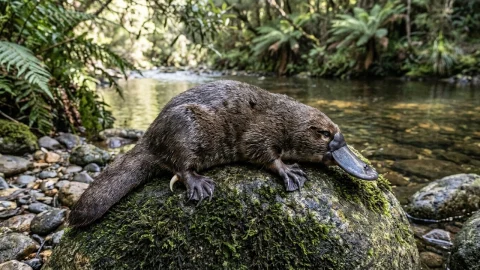
Platypuses are venomous rather than poisonous. Adult males deliver venom through rear ankle spurs, causing excruciating pain, swelling, and weeks of symptoms.

Curiosities, questions and fascinating facts
 Animals Editorial Team
Platypuses are venomous rather than poisonous. Adult males deliver venom through rear ankle spurs, causing excruciating pain, swelling, and weeks of symptoms.
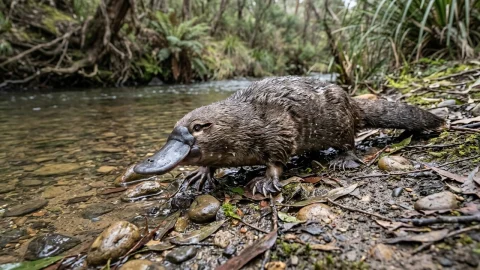
The platypus is an egg-laying mammal in order Monotremata that nurses its young. Learn how it produces milk, lays eggs, and uses venomous spurs.
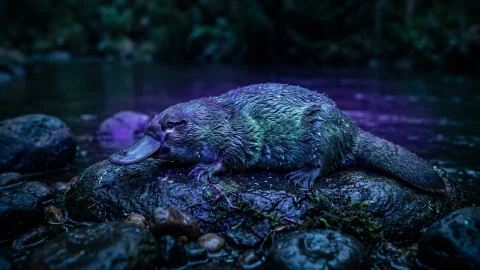
Yes, platypus fur glows bluish green under UV light. It covers how the glow was found, what colours appear and a camouflage proposal.
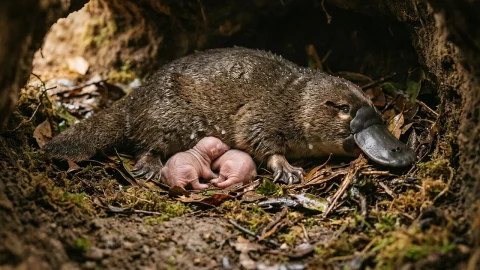
Platypuses do not sweat milk. Females secrete milk from abdominal patches without nipples, nursing their young while protecting them with immune proteins.
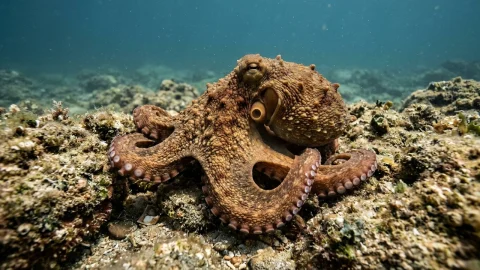
Octopuses use two branchial hearts to oxygenate blood at the gills and one systemic heart to supply the body. Learn how their circulatory system functions.
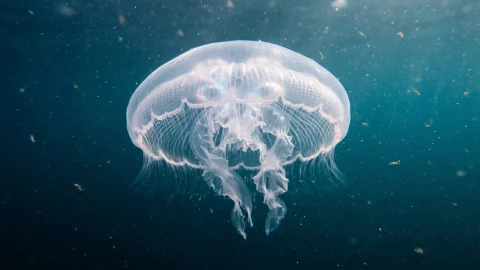
No, jellyfish have no brains. Discover how nerve nets, rhopalia and light sensors guide sensing, swimming and feeding.
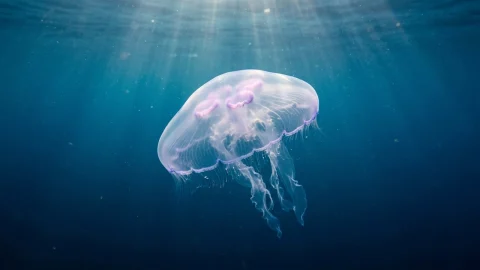
Jellyfish alternate sexual medusae with cloning polyps. This guide follows eggs to planulae, scyphistomae, strobilation and ephyrae.
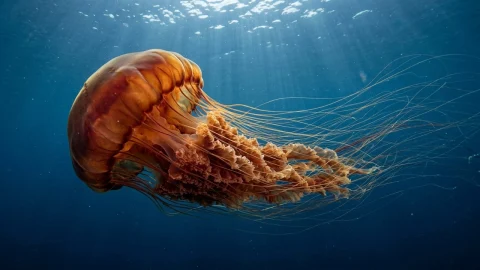
The lion’s mane jelly is the largest true jelly, reaching bells of 3 m and tentacles of 30 m, alongside the heavy 200 kg Nomura’s jellyfish.
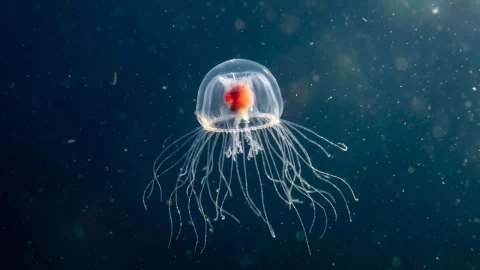
No, only Turritopsis dohrnii can repeatedly revert to a polyp, and even it often dies. Learn how the cyst stage works and how compass jellyfish differ.
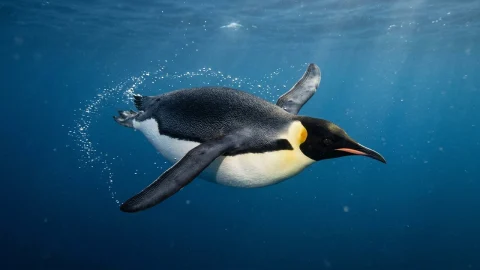
Penguins cannot fly through the air: their wings are built to propel them underwater. Here are wing strokes, beat rates, bones and dive depths.