Skip to content
Animal Fact File

Animal Fact File

Curiosities, questions and fascinating facts

  • Animals
    • Big cats
      • Lion
      • Tiger
      • Cheetah
      • Leopard
      • Jaguar
    • Bears, pandas and wolves
      • Bear
      • Polar bear
      • Giant panda
      • Red panda
      • Wolf
    • Safari animals
      • Elephant
      • Hippo
      • Rhinoceros
      • Giraffe
      • Zebra
      • Gorilla
    • Ocean life
      • Orca
      • Blue whale
      • Sperm whale
      • Dolphin
      • Octopus
      • Jellyfish
      • Penguin
    • Backyard animals
      • Raccoon
      • Opossum
      • Squirrel
      • Bat
      • Coyote
    • Odd and unusual
      • Axolotl
      • Shoebill
      • Komodo dragon
      • Capybara
      • Honey badger
      • Platypus
    • All animals
  • Printables & tools
    • Axolotl coloring pages
    • Capybara coloring pages
    • Random animal generator
  • Topics
    • Physical Characteristics
    • Wild Habitats
    • Diet & Hunting
    • Natural Behaviors
    • Species & Conservation
    • Reproduction & Life Cycle
  • Español

Natural Behaviors

Can dolphins kill sharks? Killer whale hunts and group defense
October 13, 2026 by Animals Editorial Team
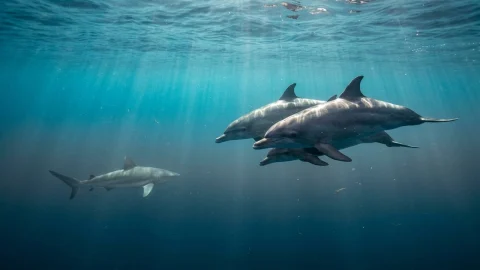
Bottlenose dolphins swimming in a group with a large shark nearby in clear blue water

Killer whales belong to the dolphin family and have been recorded killing white sharks. See how dolphins defend each other and what sharks do after an attack.

Categories Natural Behaviors Tags Dolphin, Orca

How do dolphins sleep? One hemisphere at a time and the open eye

October 13, 2026 by Animals Editorial Team
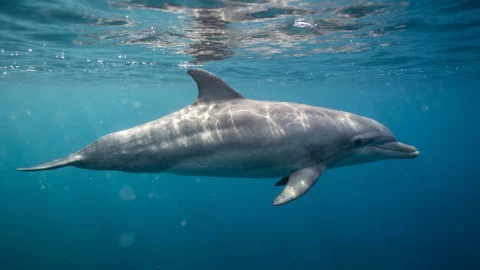
A bottlenose dolphin gliding calmly just beneath the surface of calm open ocean water.

Dolphins sleep one brain hemisphere at a time, and the eye opposite the sleeping side is usually closed or in an intermediate state. How the day splits.
Categories Natural Behaviors Tags Dolphin

Why coyotes scream at night and what their calls mean

October 6, 2026 by Animals Editorial Team
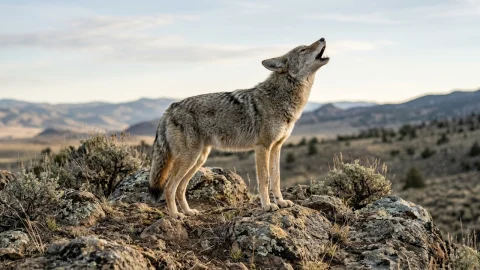
A coyote howling on a rocky knoll in a natural landscape.

Coyotes howl to reunite family members after hunting, announce territory locations to neighboring packs, and communicate their positions.
Categories Natural Behaviors Tags Coyote

Why shoebill storks lower their bills toward the breast

October 11, 2026October 6, 2026 by Animals Editorial Team
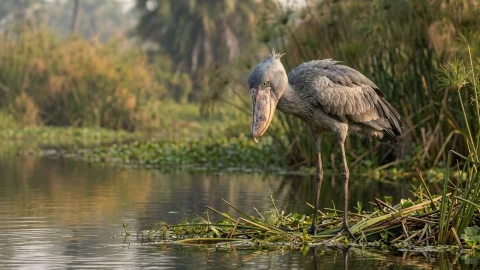
Shoebill standing motionless in shallow swamp water with bill pointed downward.

Animal Diversity Web notes that shoebills keep the head and bill vertically downward toward the breast to help binocular vision.
Categories Natural Behaviors Tags Shoebill

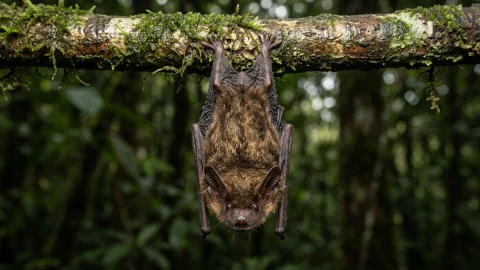
Why do bats hang upside down? Light legs and a locked grip

October 6, 2026 by Animals Editorial Team
A brown bat hanging upside down from a tree branch with its wings folded around its body

Bats hang upside down because light hind leg bones cannot bear their weight upright, and specialized landings help them reach that upside-down posture.
Categories Natural Behaviors Tags Bat

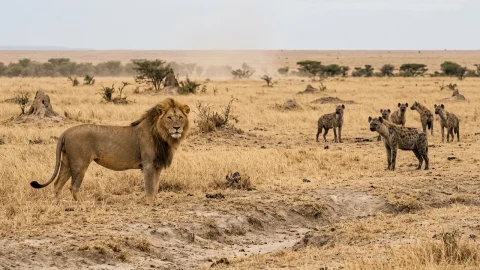
Lion vs hyena: larger lions face clan mobbing

October 6, 2026 by Animals Editorial Team
A male lion and spotted hyenas standing calmly on the savanna

Lions are larger and stronger, yet spotted hyenas use coordinated mobbing attacks to contest kills, succeeding against male lions only in high numbers.
Categories Natural Behaviors Tags Lion

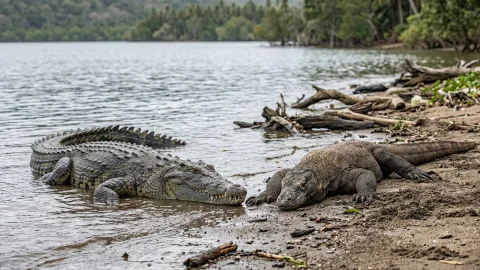
Who is stronger, a Komodo dragon or a crocodile?

October 13, 2026October 6, 2026 by Animals Editorial Team
A saltwater crocodile and a Komodo dragon resting calmly side by side on a natural shoreline.

Crocodilians generate the highest bite forces of any living animal, while Komodo dragons possess relatively weak bite strength compared to other reptiles.
Categories Natural Behaviors Tags Komodo dragon

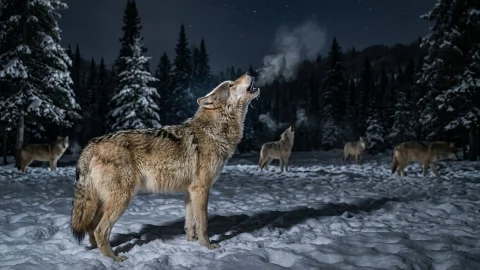
Why Do Wolves Howl at Night, and What the Howl Means

October 6, 2026 by Animals Editorial Team
Gray wolves howl in a snowy forest clearing at night.

Wolves howl more in the evening and early morning, and chorus howls generally peak between sunset and sunrise. The call keeps a pack together.
Categories Natural Behaviors Tags Wolf

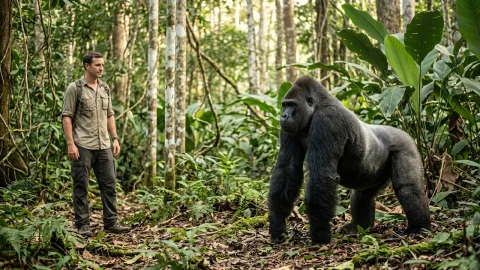
Could a gorilla beat 100 men? Gorilla strength facts

October 13, 2026October 6, 2026 by Animals Editorial Team
A silverback gorilla and an adult man stand calmly in a rainforest.

A male gorilla is thought to be four to nine times stronger than a human male, lifting up to 815 kilograms compared to 410 kilograms for a trained human.
Categories Natural Behaviors Tags Gorilla

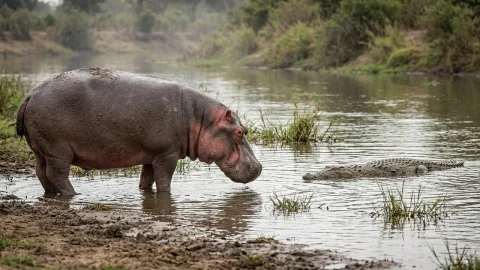
Hippo vs crocodile: diet, size, and encounters

October 6, 2026 by Animals Editorial Team
A hippopotamus standing in shallow river water with a Nile crocodile resting nearby.

National Geographic states that Nile crocodiles mainly eat fish but attack zebras and small hippos, while hippos usually live in shallow lakes and rivers.

Categories Natural Behaviors Tags Hippopotamus
Older posts
Page1 Page2 … Page8 Next →

Browse animals

Big cats
  • Lion
  • Tiger
  • Cheetah
  • Leopard
  • Jaguar
  • All big cats
Bears, pandas and wolves
  • Bear
  • Polar bear
  • Giant panda
  • Red panda
  • Wolf
  • All bears, pandas and wolves
Safari animals
  • Elephant
  • Hippo
  • Rhinoceros
  • Giraffe
  • Zebra
  • Gorilla
  • All safari animals
Ocean life
  • Orca
  • Blue whale
  • Sperm whale
  • Dolphin
  • Octopus
  • Jellyfish
  • Penguin
  • All ocean life
Backyard animals
  • Raccoon
  • Opossum
  • Squirrel
  • Bat
  • Coyote
  • All backyard animals
Odd and unusual
  • Axolotl
  • Shoebill
  • Komodo dragon
  • Capybara
  • Honey badger
  • Platypus
  • All odd and unusual

Recent articles

  • Are platypuses poisonous? Male spurs, venom and pain symptoms
  • Is a platypus a mammal? Egg laying, milk and venomous spurs
  • Do platypuses glow in the dark? UV glow, colours and camouflage
  • Do platypuses sweat milk? Mammary patches and nursing
  • Why do octopuses have three hearts? Gill and systemic flow

Animals

  • Big cats
  • Bears, pandas and wolves
  • Safari animals
  • Ocean life
  • Backyard animals
  • Odd and unusual

Printables & tools

  • Axolotl coloring pages
  • Capybara coloring pages
  • Random animal generator
© 2026 Animal Fact File ·
  • About
  • Editorial policy & AI disclosure
  • Privacy policy
  • Cookies policy
  • Contact
  • Español