Do platypuses sweat milk? Mammary patches and nursing
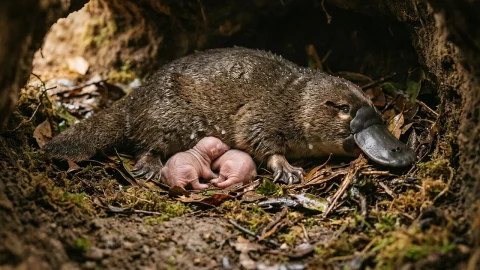
Platypuses do not sweat milk. Females secrete milk from abdominal patches without nipples, nursing their young while protecting them with immune proteins.

Curiosities, questions and fascinating facts
Platypuses do not sweat milk. Females secrete milk from abdominal patches without nipples, nursing their young while protecting them with immune proteins.
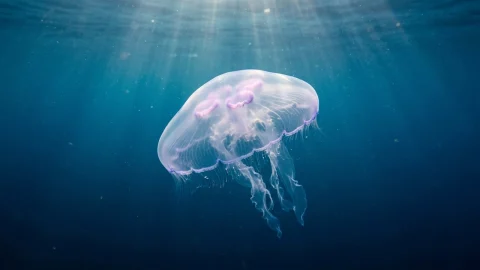
Jellyfish alternate sexual medusae with cloning polyps. This guide follows eggs to planulae, scyphistomae, strobilation and ephyrae.
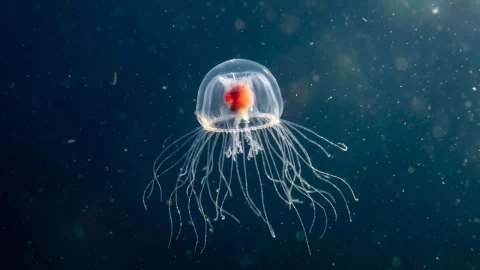
No, only Turritopsis dohrnii can repeatedly revert to a polyp, and even it often dies. Learn how the cyst stage works and how compass jellyfish differ.
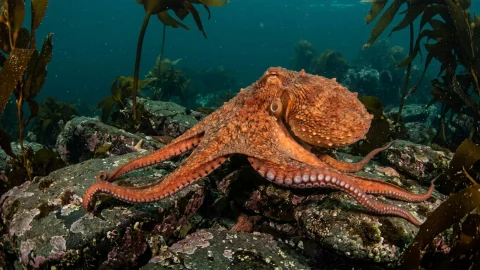
Most octopuses live a year or less, while wild giant Pacific averages reach 3 to 5 years. Learn how breeding ends life and how long eggs take to hatch.
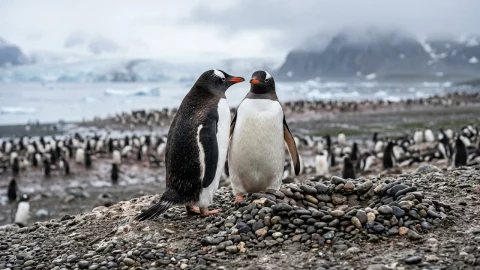
Not all of them. Some gentoo pair bonds last a whole life, yet gentoos and little penguins divorce. Here are pair bonds, divorce rates and mate switching.
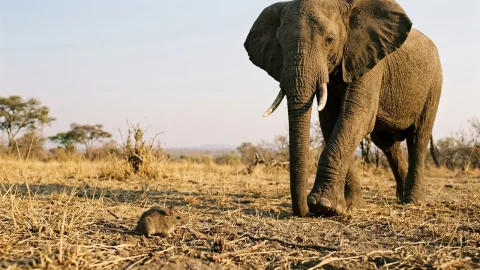
Across mammal species, a bigger body predicts a longer life, and fewer deaths from predators and other outside causes may be part of the reason.
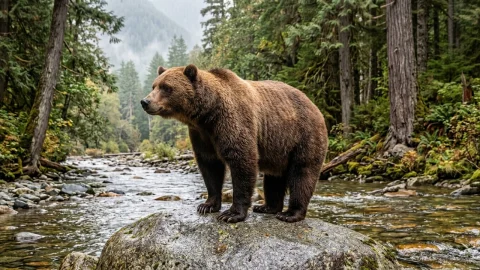
Bear lifespans vary by species: wild brown bears average about 20 years, wild black bears most often live about 10, and wild polar bears typically 15 to 18.

Giant pandas live about 15 to 20 years in the wild and about 30 in human care, by the Smithsonian’s National Zoo estimate. Other sources give different figures.
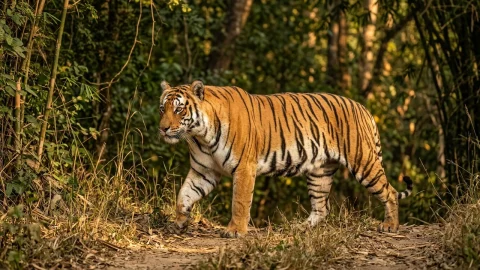
Estimates for wild tigers run 8 to 10 or 10 to 15 years. A typical captive lifespan is 16 to 18 years, and some tigers have lived to 26.
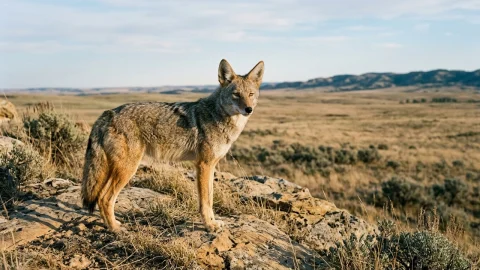
Wild coyotes live 5 to 6 years according to the University of Florida IFAS Extension. The National Park Service lists 13 to 15 years in captivity.