Are platypuses poisonous? Male spurs, venom and pain symptoms
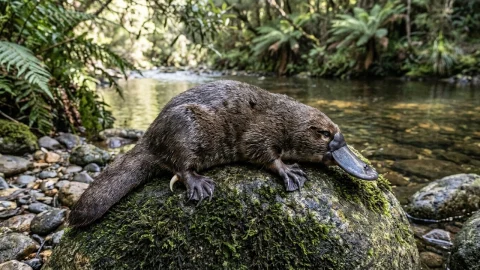
Platypuses are venomous rather than poisonous. Adult males deliver venom through rear ankle spurs, causing excruciating pain, swelling, and weeks of symptoms.

Curiosities, questions and fascinating facts
Platypuses are venomous rather than poisonous. Adult males deliver venom through rear ankle spurs, causing excruciating pain, swelling, and weeks of symptoms.
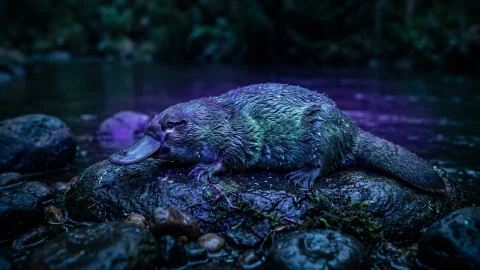
Yes, platypus fur glows bluish green under UV light. It covers how the glow was found, what colours appear and a camouflage proposal.
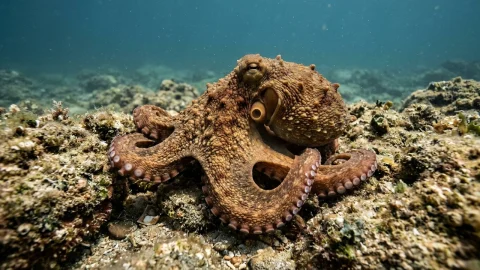
Octopuses use two branchial hearts to oxygenate blood at the gills and one systemic heart to supply the body. Learn how their circulatory system functions.
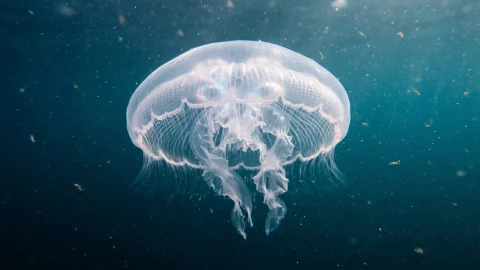
No, jellyfish have no brains. Discover how nerve nets, rhopalia and light sensors guide sensing, swimming and feeding.
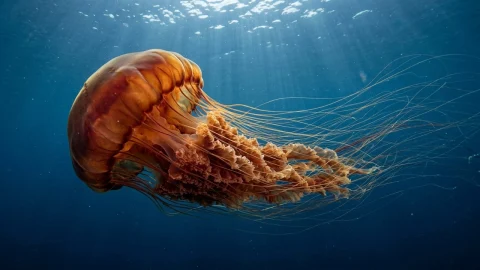
The lion’s mane jelly is the largest true jelly, reaching bells of 3 m and tentacles of 30 m, alongside the heavy 200 kg Nomura’s jellyfish.
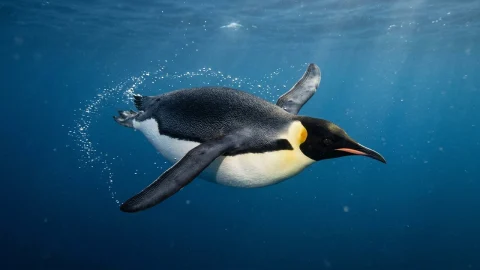
Penguins cannot fly through the air: their wings are built to propel them underwater. Here are wing strokes, beat rates, bones and dive depths.
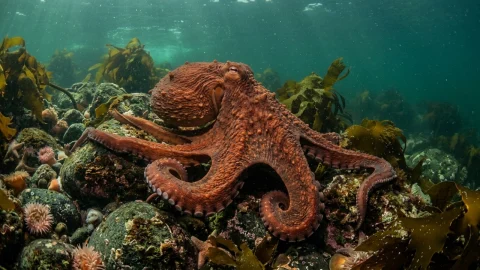
Giant Pacific octopuses are the biggest octopus species. See typical adult weight and span plus the largest recorded specimens.
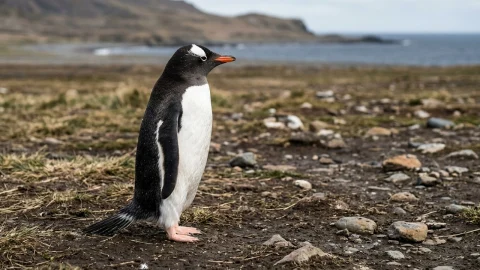
Yes, penguins have knees tucked inside the body. Learn why the visible joint is the ankle and how foot bones suit waddling and walking.
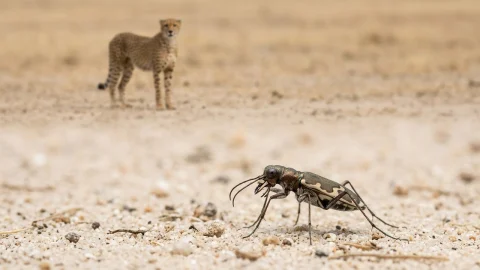
A cheetah tops 96 to 112 km per hour and a tiger beetle 2.5 metres per second, but in body lengths per second the beetle reaches 171 to the cheetah’s 30.

Muscle power and work capacity limit how fast a person can run, and record data suggest neither two-legged nor four-legged running has levelled off.