
Animal sounds, played from real recordings of wild animals: 11 kinds of animals, from whales and bats to coyotes, lions and penguins. Each card plays a real recording with its spectrogram, and five of them link to a full page with more calls and what they mean.
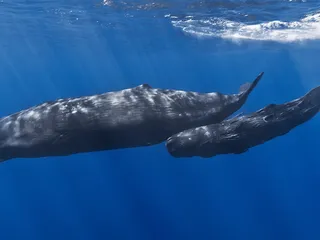
Whales
Physeter macrocephalus, Balaenoptera musculus, Megaptera novaeangliae
Sperm whale usual clicks

Recording by NOAA, public domain (original file)
Photo by Gabriel Barathieu, CC BY-SA 2.0
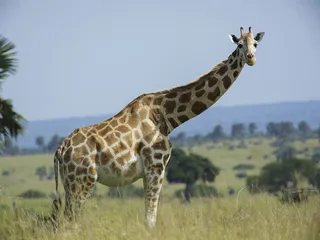
Giraffe
Giraffa camelopardalis
Hum

Recording by Anton Baotic, Florian Sicks and Angela S. Stoeger, licensed CC BY-SA 4.0 (original file)
Photo by Thomas Fuhrmann, CC BY-SA 4.0
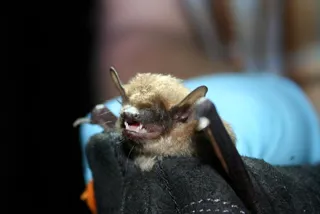
Bats
Chiroptera
Echolocation chirps (slowed to 1/10 speed)
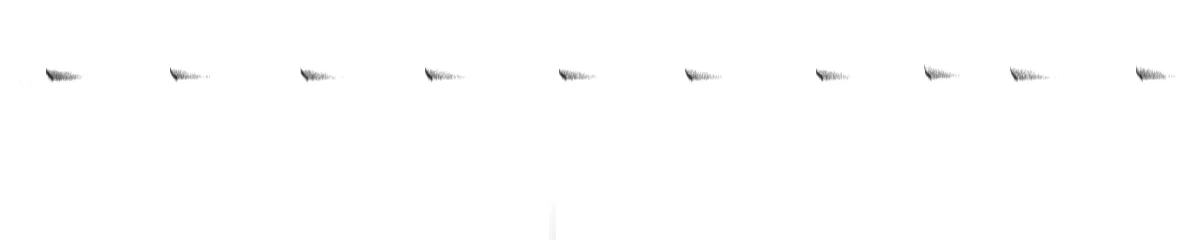
Recording by Kaldari, licensed CC0 (original file)
Photo by U.S. Fish and Wildlife Service Headquarters, Public domain
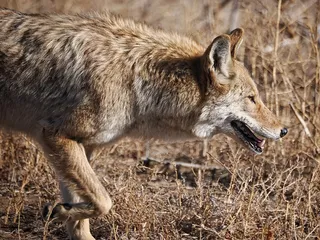
Coyote
Canis latrans
Pack howl
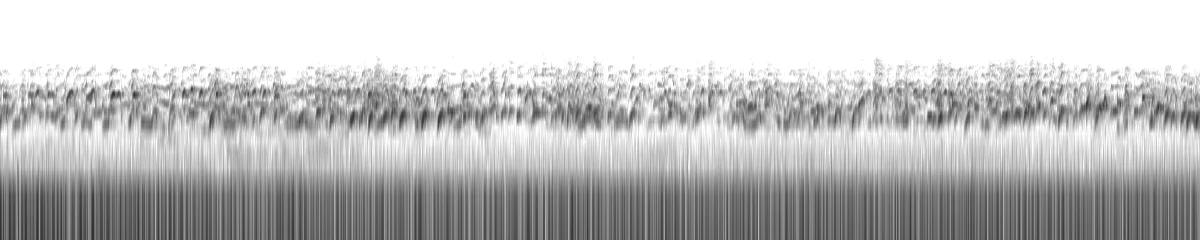
Recording by Rybkovich, licensed CC BY-SA 4.0 (original file)
Photo by ayden, CC BY 4.0
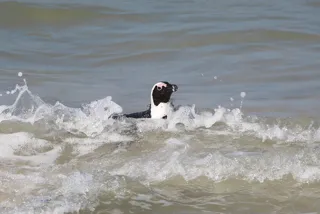
African penguin
Spheniscus demersus
Contact call

Recording by Favaro L, Gamba M, Alfieri C, Pessani D, McElligott A, licensed CC BY 4.0 (original file)
Photo by Bernard Gagnon, CC BY-SA 4.0
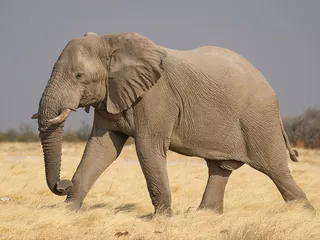
African elephant
Loxodonta africana
Bee alarm rumble

elephant rumbles may function as referential signals, in which a formant frequency shift alerts nearby elephants about an external threat
From King et al. 2010, PLOS ONE Recording by King L, Soltis J, Douglas-Hamilton I, Savage A, Vollrath F, licensed CC BY 2.5 (original file)
Photo by Giles Laurent, CC BY-SA 4.0
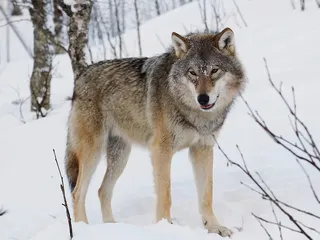
Gray wolf
Canis lupus
Howl

Within a wolf pack, howling may be useful to reassemble separated members
From Harrington and Mech 1979, USGS Northern Prairie Wildlife Research Center Recording by U.S. Fish and Wildlife Service, public domain (original file)
Photo by User:Mas3cf, CC BY-SA 4.0
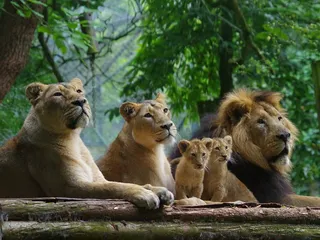
Lion
Panthera leo
Roaring bout

For territorial advertisement and intra‐pride communication African lions emit a roaring bout, of which one component, is their iconic roar.
From Growcott et al. 2025, Ecology and Evolution Recording by Jonathan Growcott, Alex Lobora, Andrew Markham, Charlotte E. Searle, Johan Wahlström, Matthew Wijers, Benno I. Simmons, licensed CC BY 4.0 (original file)
Photo by GinaFranchi, CC BY-SA 4.0
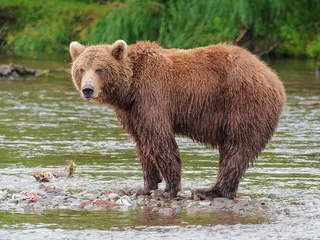
Grizzly bear
Ursus arctos horribilis
Huffs and growls

Grizzly bears sometimes vocalize when agitated or nervous.
From National Park Service, Yellowstone National Park Recording by Dan Bergum, National Park Service, public domain (original file)
Photo by Robert F. Tobler, CC BY-SA 4.0
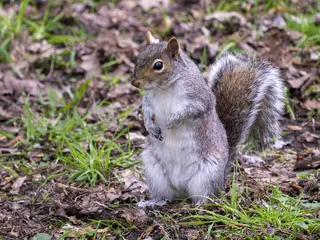
Gray squirrel
Sciurus carolinensis
Call
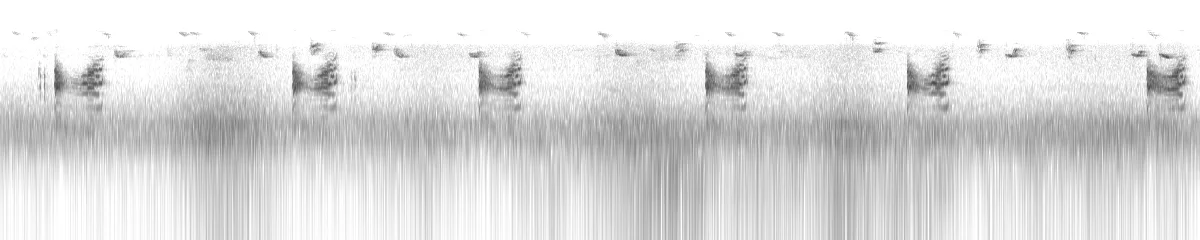
Recording by British Library, licensed CC BY-SA 4.0 (original file)
Photo by Dominic Nelson, CC BY-SA 4.0
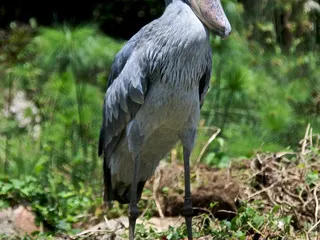
Shoebill
Balaeniceps rex
Bill clattering
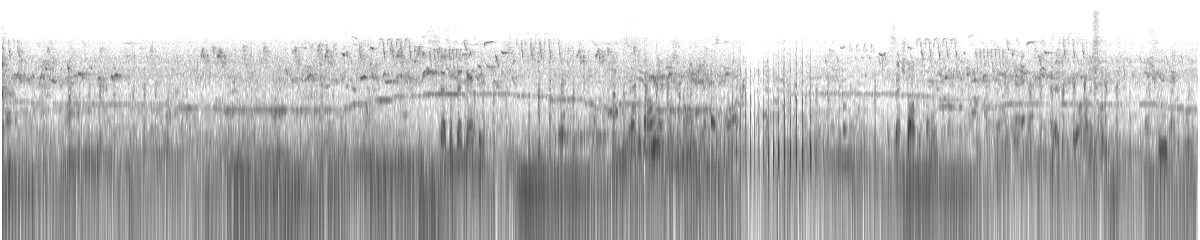
Adults will often do this when greeting each other at the nest, but young shoebills also perform the bill-clatter.
From Animal Diversity Web, University of Michigan Museum of Zoology Recording by Peter Handke, licensed CC0 (original file)
Photo by https://www.flickr.com/photos/zeroexposure/, CC BY 2.0


Where the animal sounds come from
Every recording is a public domain or Creative Commons file from a research or park archive, such as NOAA, the National Park Service and published studies. Each card credits the recordist, names the licence and links the original file. Where a published source explains a call, the card or the animal’s own page quotes it.