
Bat sounds on this page are echolocation chirps, a feeding buzz and a social call. Bats call above the range of human hearing, so the recordings are slowed down and each card says by how much. Under every clip you will find a spectrogram and a note from the National Park Service on what the call is for.
Bat sounds and what they mean
Echolocation chirps (slowed to 1/10 speed)
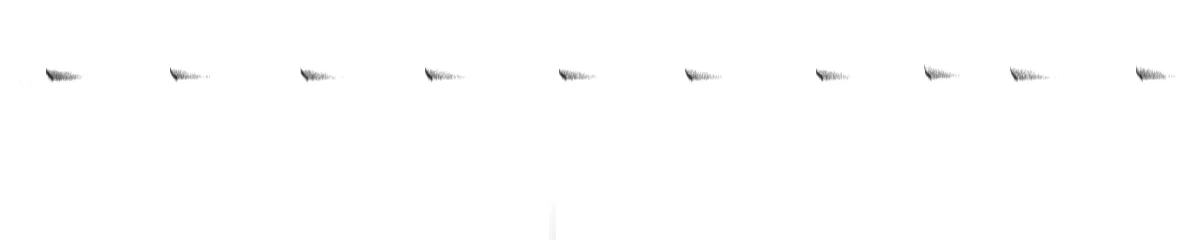
Bats navigate and find insect prey using echolocation.
Recording by Kaldari, licensed CC0 (original file)
Feeding buzz (slowed to 1/10 speed)
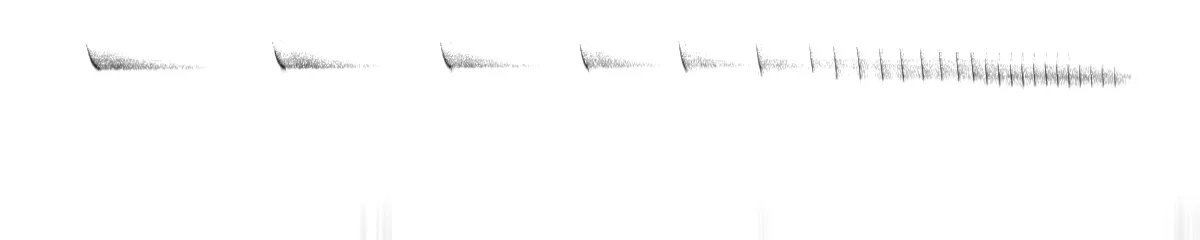
it produces a rapid series of calls to pin-point the exact location of its prey
Recording by Kaldari, licensed CC0 (original file)
Social call (time expansion x10)
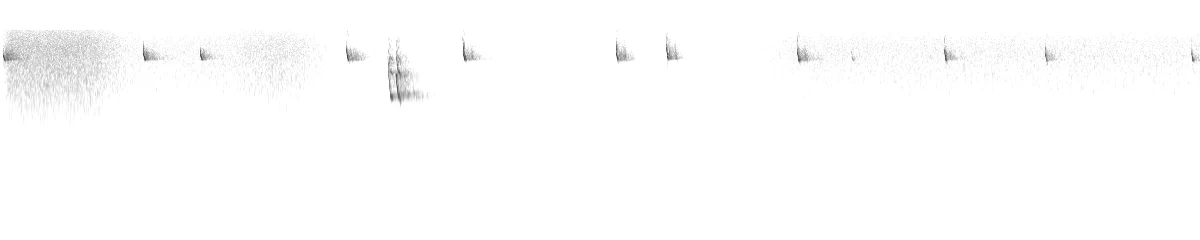
They have different searching, feeding, and social calls.
Recording by Tempfc, licensed CC BY-SA 4.0 (original file)
Why the bat calls are slowed down
The National Park Service explains that bats “produce sound waves at frequencies above human hearing, called ultrasound”, and slows its own recordings down “10 times so the human ear can hear it”. The clips here work the same way. Two of them, the echolocation chirps and the feeding buzz, are labelled “Slowed to 1/10 speed”. The social call is labelled “Time expansion x10”. In both cases the sound plays ten times longer than it was recorded.
Searching, feeding and socializing
The National Park Service says bats navigate and find insect prey using echolocation. When a bat detects an insect it wants to eat, it “produces a rapid series of calls to pin-point the exact location of its prey”. That is the feeding buzz. The Service also notes that bats have different searching, feeding and social calls, so the three cards cover three kinds of call.
Where these recordings come from
The echolocation chirps and the feeding buzz were recorded by Kaldari and are released under CC0. The social call was recorded by Tempfc and is shared under CC BY-SA 4.0. Each card links the original file and its licence.