
This page has four giraffe sounds: a hum, a grunt, a snort and a burst of air through the nostrils. Each card has the recording, a spectrogram and what the study says the call is for.
Giraffe sounds and what they mean
Hum

Based on spectral characteristics, these newly recognized “humming” vocalizations might be of communicative relevance.
Recording by Anton Baotic, Florian Sicks and Angela S. Stoeger, licensed CC BY-SA 4.0 (original file)
Grunt
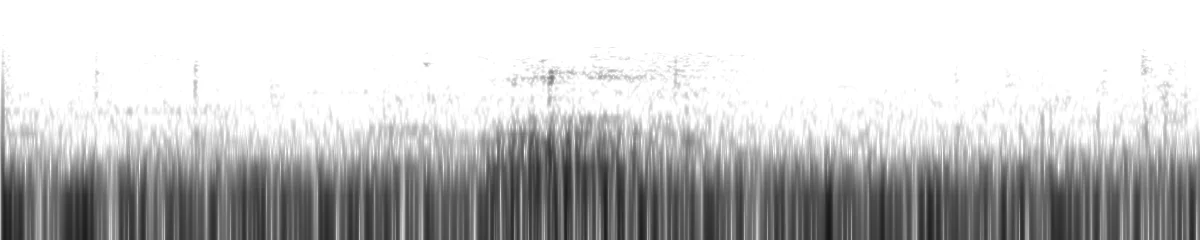
Although grunts and snorts are produced in agonistic interactions
Recording by Anton Baotic, Florian Sicks and Angela S. Stoeger, licensed CC BY-SA 4.0 (original file)
Snort

has been documented in varying contexts such as being alarmed, annoyed, or when approaching each other
Recording by Anton Baotic, Florian Sicks and Angela S. Stoeger, licensed CC BY-SA 4.0 (original file)
Burst

they seem to be produced by a sudden burst of air out of the nostrils
Recording by Anton Baotic, Florian Sicks and Angela S. Stoeger, licensed CC BY-SA 4.0 (original file)
The giraffe hum
Baotic et al. (2015, BMC Research Notes) describe a “humming” vocalization and conclude that, based on its spectral characteristics, it “might be of communicative relevance”. The hum card is that call.
Grunts, snorts and bursts
The other three sounds sit close together. The same paper says grunts and snorts are produced in agonistic interactions, and that snorts have been documented in contexts such as being alarmed, annoyed, or when approaching each other. The burst seems to be produced by a sudden burst of air out of the nostrils. The grunt, snort and burst clips last between 1 and 2.5 seconds, so play them more than once.
Where these recordings come from
All four calls were recorded by Anton Baotic, Florian Sicks and Angela S. Stoeger and are shared under a Creative Commons licence (CC BY-SA 4.0). The recordings play at their original speed. Each card links the original file and its licence.