
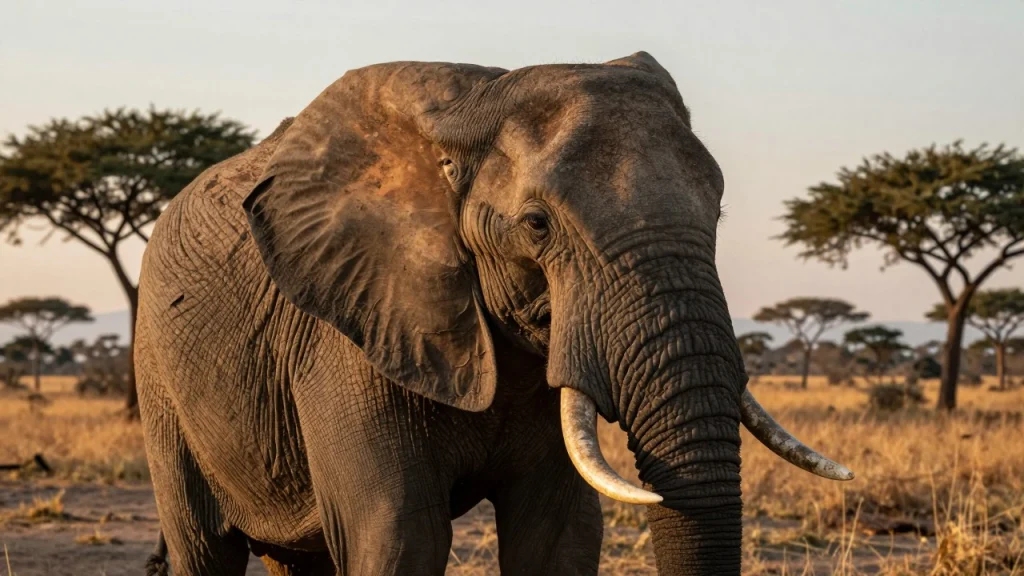
Elephants are widely celebrated for their deep emotional capacity, strong social bonds, and profound reactions to loss. When observing an elephant with wet streaks running from its eyes near a deceased herd member, it is natural to wonder if they experience sorrow in the same visual way humans do.
The straightforward answer is that elephants do not produce tears as an emotional response to sadness. While they do possess tears, their tear ducts serve an entirely biological function: keeping their large eyes lubricated and flushing out dust, dirt, and foreign debris. However, the absence of emotional weeping does not mean these majestic mammals do not feel grief.
The Science of Elephant Eye Health and Tears
Like humans and many other terrestrial mammals, elephants produce lacrimal fluids to maintain eye health. An elephant’s eyes are constantly exposed to dust, wind, insects, and harsh sunlight in savannah and forest environments. Tears form a protective film over the cornea, preventing dryness and infection.
- Lubrication: Tears continuously coat the eye surface to keep it moist.
- Debris Removal: Environmental irritants like sand or pollen trigger extra fluid production to flush the eye clean.
- Lack of Emotional Triggers: Unlike humans, whose central nervous systems are wired to trigger tears during intense emotions, an elephant’s lacrimal glands are strictly controlled by physical stimuli.
Because elephants lack the anatomical link between emotional centers in the brain and tear production, any moisture around their eyes is purely physical.
How Elephants Express Sadness and Grief
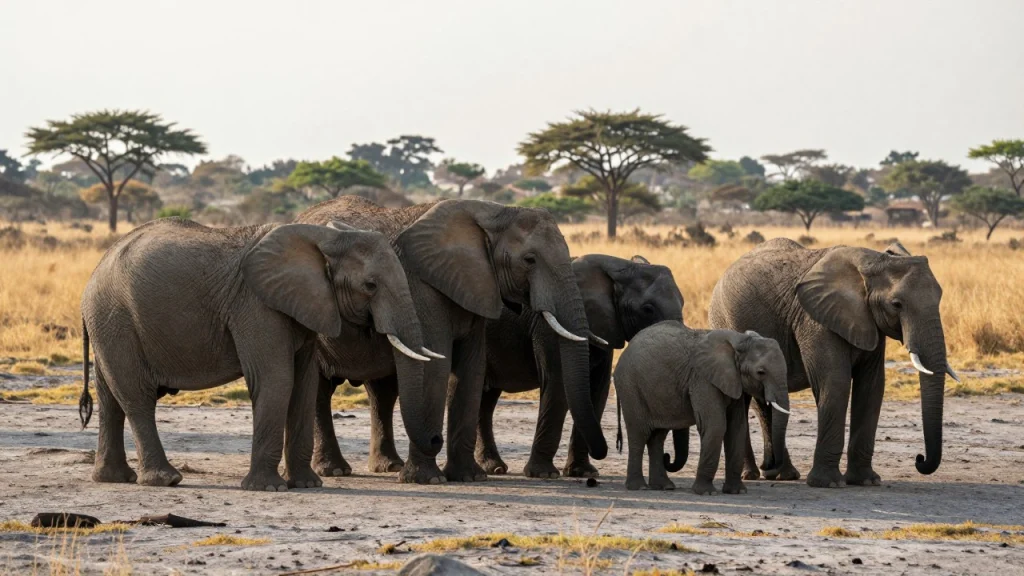
Even though they do not cry emotional tears, elephants exhibit complex behaviors that demonstrate deep sadness, mournfulness, and empathy. Field researchers and wildlife biologists have documented numerous instances of elephants mourning the loss of family members or herd mates.
Rites and Interactions Around Deceased Elephants
When an elephant dies, the surrounding herd members often display behaviors similar to human grief. They may stand in quiet vigil around the body for hours or even days.
Elephants frequently touch the bones and tusks of deceased individuals using their trunks and feet, showing a unique form of recognition. They gently caress the remains, focusing especially on the skull and tusks, even when encountering the bones of an elephant that died long before.
Changes in Social Demeanor and Vocalizations
Grief in an elephant herd manifests through marked shifts in behavior and vocal communication:
- Lethargy and Depression: Surviving herd members may walk at a slower pace, lose interest in food, and appear noticeably lethargic.
- Low-Frequency Rumbling: Elephants use infrasonic rumbles, too low for human ears, to communicate over long distances, and in distressing situations their calls tend to rise in pitch.
- Seeking Physical Comfort: Calves that lose their mothers often show signs of severe stress, seeking constant physical contact and protection from other females in the herd.
Emotional Intelligence in Large Wild Mammals
Elephants are among the few wild mammals known to possess self-awareness, empathy, and advanced social structure. Their large cerebral cortex enables them to form tight family bonds led by a matriarch. This high level of emotional intelligence means that loss profoundly affects the entire family unit.
When a herd member is injured or distressed, others will gather around, using their trunks to comfort and support the individual. These strong neural and social foundations explain why their behavioral response to death is so pronounced, even without physical tears.
Distinguishing Human Attributes from Animal Behavior
It is easy to project human behaviors onto animals, a tendency known as anthropomorphism. Seeing liquid trailing down an elephant’s face during a stressful situation often leads observers to assume the animal is weeping out of sorrow.
Recognizing the difference between physical tear production and emotional distress allows us to appreciate elephant behavior for what it truly is. While elephants do not cry when they are sad, their complex social interactions, dedicated mourning rituals, and deep capacity for affection clearly prove that emotional suffering is very real for these gentle giants.
Sources
- National Geographic: Rare Video Shows Elephants ‘Mourning’ Matriarch’s Death
- Royal Society Open Science: Viewing the rare through public lenses: insights into dead calf carrying and other thanatological responses in Asian elephants using YouTube videos
- San Diego Zoo Wildlife Alliance: Elephant
- PLOS ONE: African Elephant Alarm Calls Distinguish between Threats from Humans and Bees
- University of Michigan Museum of Zoology: Elephas maximus (Asiatic elephant)