
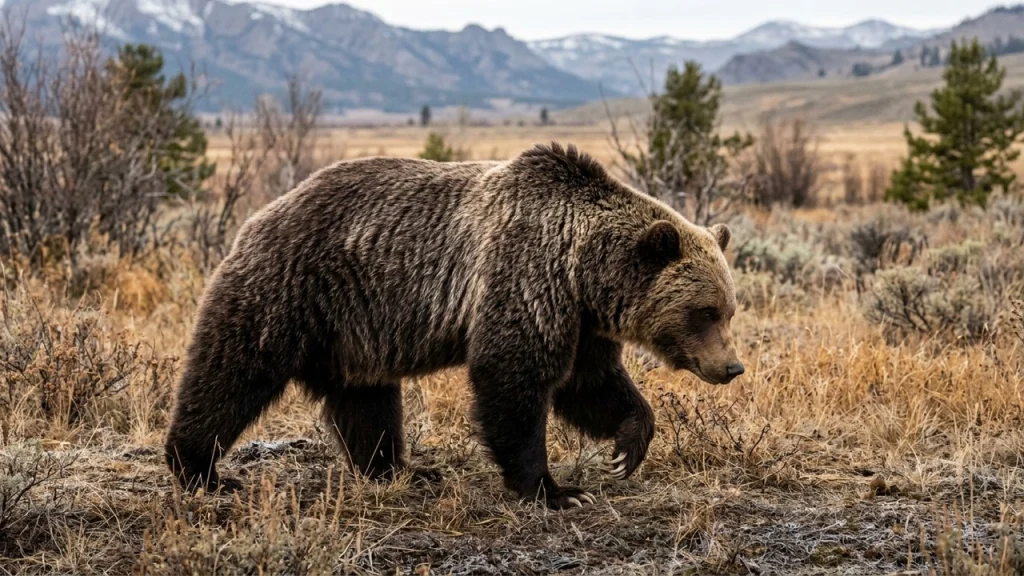
Brown bears and grizzly bears are one species; for male brown bears, the San Diego Zoo Wildlife Alliance reports a weight of 330 to 1,500 pounds (150 to 680 kilograms), and the Alaska Department of Fish and Game notes that extremely large brown bears in Alaska can weigh up to 1,400 lbs (640 kg) right before denning.
None of the state wildlife agency, national park, federal or zoo sources behind this article gives a verified record weight for the largest grizzly bear.
Chunk, a named bear with an estimated weight
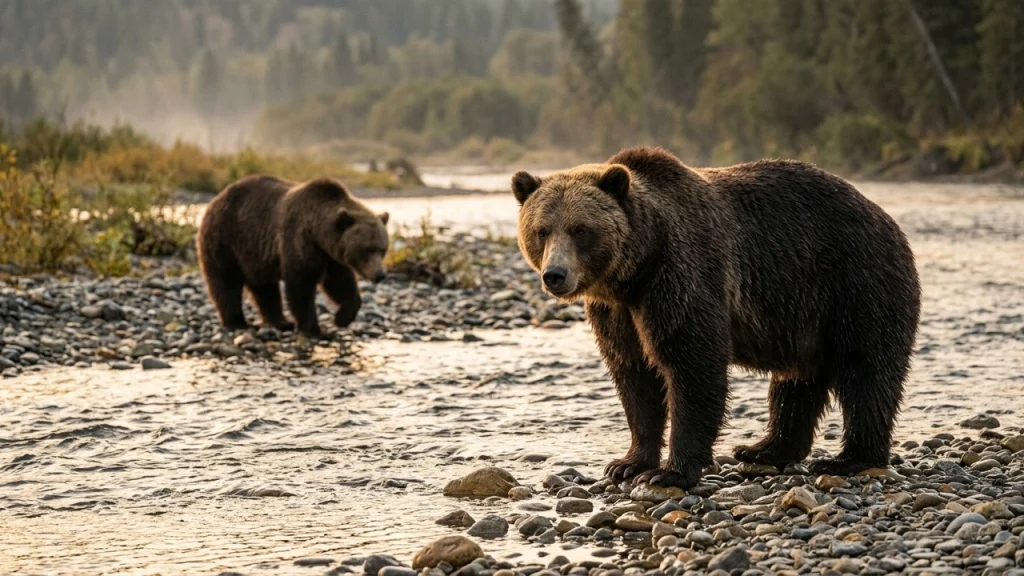
Bear 32 at Katmai National Park, known as Chunk, has an estimated weight of 1,200 pounds plus, according to the U.S. Department of the Interior.
A different kind of high mark belongs to the Greater Yellowstone Ecosystem, where the National Park Service lists the heaviest known weight as 715 lb (324 kg) for an adult male and 436 lb (198 kg) for an adult female.
What a typical bear weighs
According to the Alaska Department of Fish and Game, most mature male brown bears weigh 500 to 900 lbs (180 to 410 kg) just prior to denning, while females weigh half to three-quarters as much.
An average adult male weighs 413 lb (187 kg), while the National Park Service records 269 lb (122 kg) as the average mass for an adult female grizzly bear. For Yellowstone, the same agency’s figures are 200 to 700 pounds for males and 200 to 400 pounds for females. The National Park Service puts female brown bears at about 250 to 600 pounds in the fall.
Seasonal swings in body weight
They are at their leanest in spring and early summer. Weight goes on later, in late summer and fall, and they are described as waddling fat by the time they head into their dens.
One bear takes in 80 to 90 pounds of food daily through summer and early fall. That intake adds three to six pounds of extra fat daily. The U.S. Department of the Interior puts about 4,000 calories in each salmon. A state of nonstop feeding can add as much as four pounds of weight in a single day. Through the winter, the same department says a bear can shed as much as a third of its body fat while it winds down. The National Park Service puts hibernation at five to eight months in the coldest stretches of this bear’s range.
Diet and body size go together
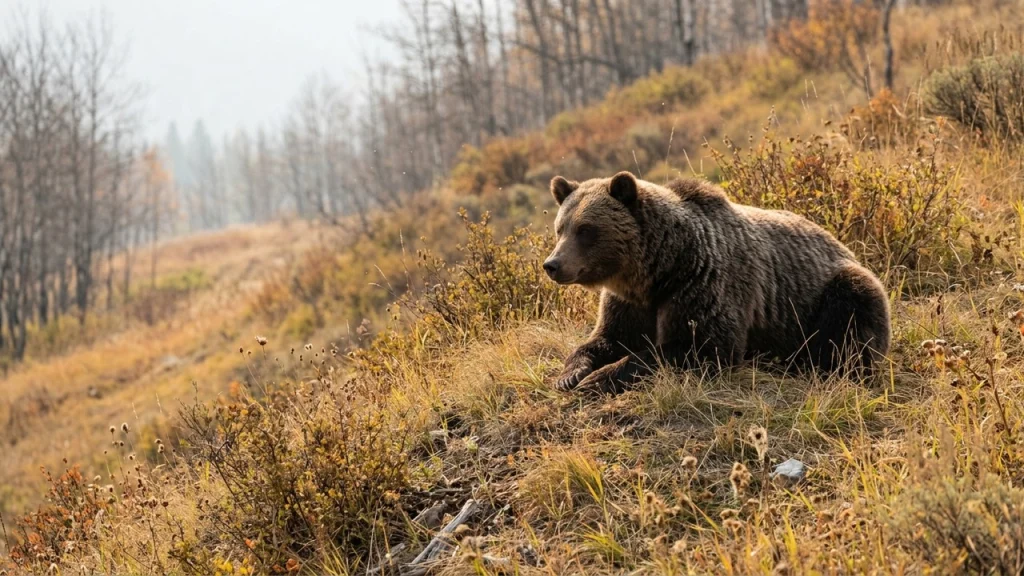
The National Park Service says coastal bears reach richer supplies of protein through salmon, while interior bears, whose diet lacks that protein, tend to be smaller and tend to wear lighter colored coats. Fur on North American interior bears is tipped with white or tan.
Length, height and the shoulder hump
Weight is only part of the picture. The National Park Service puts an adult brown bear at about 3.5 feet tall on all fours, with a body length of just over seven feet. The San Diego Zoo Wildlife Alliance fact sheet gives a length of 6 to 9.8 feet for the species, equal to 1.8 to 3 meters. A heavy muscle ridge crowns the shoulders, and the San Diego Zoo calls the grizzly form the most distinctive one of all. The Alaska Department of Fish and Game describes the musculature and bone structure of that hump as adaptations for digging, and for sprinting after moose or caribou for food.
Sources
- U.S. National Park Service: Brown Bear, Kenai Fjords National Park & Preserve
- Alaska Department of Fish and Game: Brown/Grizzly Bear Hunting in Alaska
- U.S. National Park Service: Yellowstone Grizzly Bear Facts
- U.S. National Park Service: Bear Ecology, Yellowstone National Park
- U.S. Department of the Interior: Everything You Want to Know About Katmai National Parks Fat Bears
- San Diego Zoo Wildlife Alliance: Brown Bear, Animal Facts