
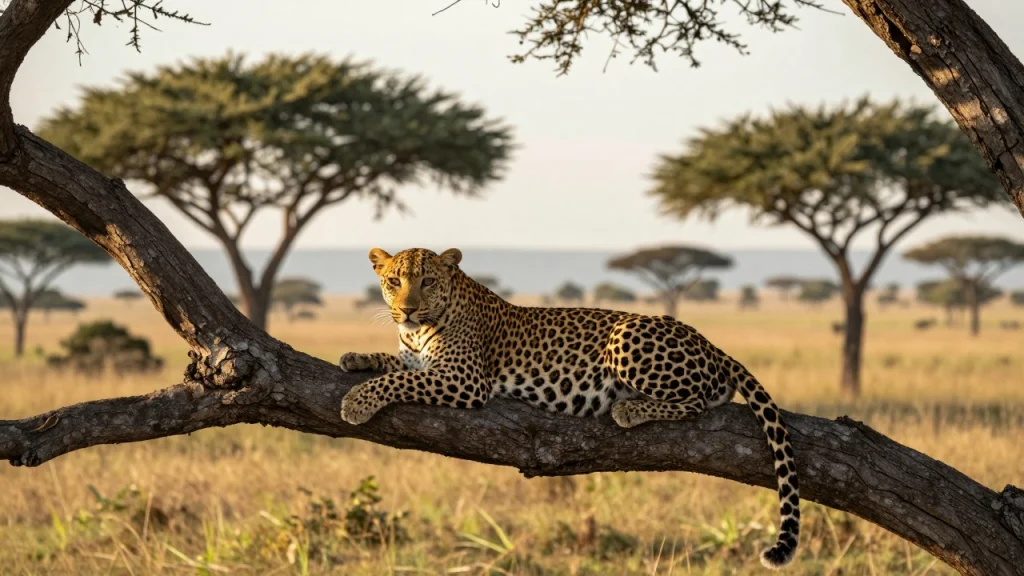
Leopards (Panthera pardus) possess the most versatile geographic range of any wild big cat. In the wild, leopards live across large parts of sub-Saharan Africa, central and southern Asia, and isolated pockets of the Middle East and Far East. Their exceptional adaptability allows them to thrive in diverse ecosystems ranging from dense tropical rainforests and arid savannas to rugged mountains and semi-deserts.
Unlike big cats with strict habitat preferences, leopards succeed because of their secretiveness, opportunistic hunting style, and ability to climb trees efficiently. Understanding where leopards live in the wild reveals how these resilient predators navigate varied landscapes and face modern conservation challenges.
Primary habitats and geographic distribution
Leopards are indigenous to two main continents: Africa and Asia. Across these landmasses, their range encompasses dozens of countries, though human encroachment has fragmented their historical territory significantly.
Sub-Saharan Africa
The largest remaining populations of wild leopards inhabit sub-Saharan Africa. Here, they occupy habitats ranging from open savanna woodlands and riverine forests to heavy bushland and coastal thickets. Key strongholds include national parks and reserves across East Africa (such as Kenya and Tanzania) and Southern Africa (including South Africa, Namibia, and Botswana).
South and Southeast Asia
In Asia, India supports a substantial population of Indian leopards (Panthera pardus fusca), where they inhabit tropical forests, deciduous woodlands, and hilly terrains. Further east, smaller populations persist in Sri Lanka and southeast Asia.
Central Asia, the Middle East, and the Far East
Extremely rare subspecies survive in harsher climates. The Amur leopard (Panthera pardus orientalis) lives in the temperate forests of the Russian Far East and northeastern China. Meanwhile, Persian leopards inhabit the mountainous landscapes of Iran and Central Asia, while Arabian leopards survive in tiny, critically endangered numbers on the Arabian Peninsula.
Ecosystems where leopards thrive
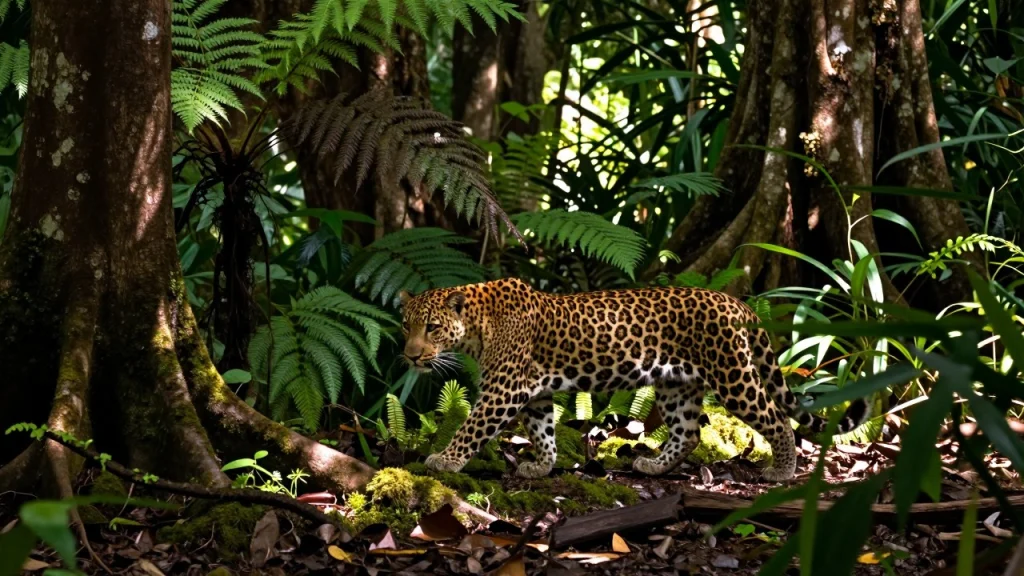
Leopards are habitat generalists, meaning they can adjust to almost any natural environment that provides sufficient prey and adequate cover for stalking.
- Savannas and grasslands: Leopards utilize tall grass, acacia trees, and rocky outcrops (kopjes) to stalk prey and avoid competition with lions and hyenas.
- Rainforests and tropical forests: In dense forest environments, leopards use their camouflage to hunt on the forest floor and from trees.
- Mountains and high altitudes: Leopards can survive at high elevations, such as the slopes of Mount Kilimanjaro and rugged Asian mountain ranges, enduring freezing temperatures.
- Arid and semi-desert zones: In dry desert regions, leopards obtain moisture from their prey and can live without drinking water for as long as 10 days.
Key factors influencing leopard habitat selection
A leopard’s choice of territory relies on specific environmental features that aid survival and hunting success.
Vegetation cover and camouflage
Leopards depend on stealth rather than endurance running. Tree limbs, dense brush, and thick foliage offer cover, allowing leopards to creep close to prey before launching a burst of speed.
Presence of climbing trees
Trees play a vital role in a leopard’s daily routine. Large branches provide safe resting spots away from ground heat and insects. More importantly, leopards drag heavy kills up into trees to prevent scavengers, such as lions and hyenas, from stealing their food.
Prey availability and water sources
Leopards hunt a wide variety of prey, including small ungulates, monkeys, rodents, and birds. They establish home ranges where prey density is reliable. While they drink water regularly when available, they can go several days without water by acquiring fluids directly from their meals.
Conservation status and range loss
Although leopards are widely distributed, their wild populations are declining. The International Union for Conservation of Nature (IUCN) classifies the leopard as Vulnerable, with several subspecies listed as Critically Endangered.
Habitat loss and fragmentation
Human expansion, agriculture, and deforestation have cleared vast stretches of wilderness. As natural habitats fragment, leopards are forced into smaller areas, increasing conflicts with livestock farmers and local communities.
Poaching and illegal wildlife trade
Leopards face severe pressure from illegal poaching for their distinctive spotted pelts, body parts used in traditional medicine, and trophy hunting.
Protected reserves, wildlife corridors, and community-based conservation initiatives remain critical to safeguarding the wild habitats leopards need to survive in the future.