
Whale sounds on this page come from three species: the sperm whale makes clicks, creaks and codas, the blue whale sings, and the humpback whale gives a moo and a song. You can play seven recordings below, each with a spectrogram and a short note from a published study or a National Park Service page on what the call means.
Whale sounds and what they mean
Sperm whale usual clicks
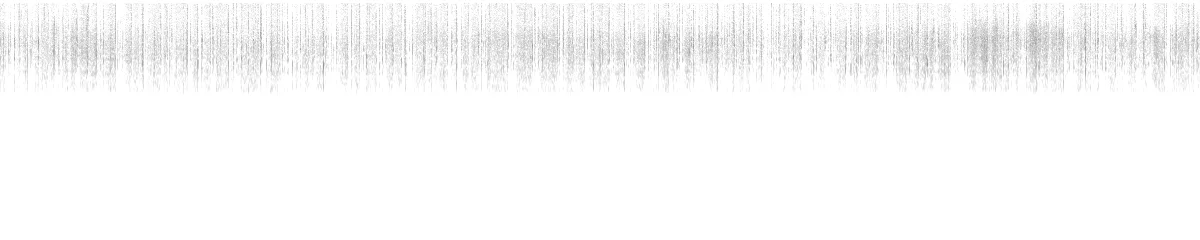
Usual clicks and buzzes are used for long- and short-range echolocation, respectively
Recording by NOAA, public domain (original file)
Sperm whale creak

Usual clicks and buzzes are used for long- and short-range echolocation, respectively
Recording by NOAA, public domain (original file)
Sperm whale slow clicks
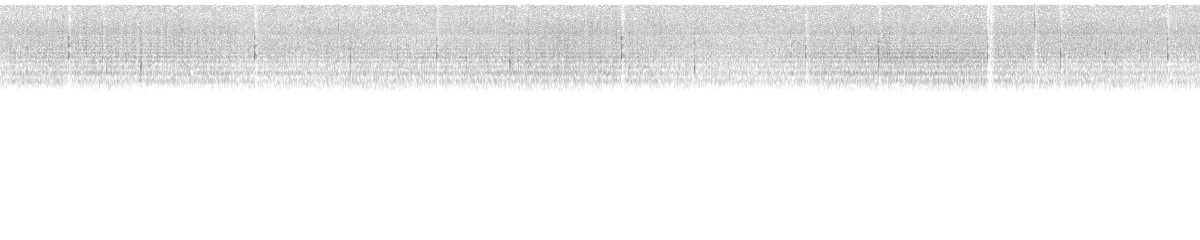
Slow clicks are only produced by male sperm whales at low and high latitudes and appear to have a communication function
Recording by NOAA, public domain (original file)
Sperm whale rapid clicks and coda
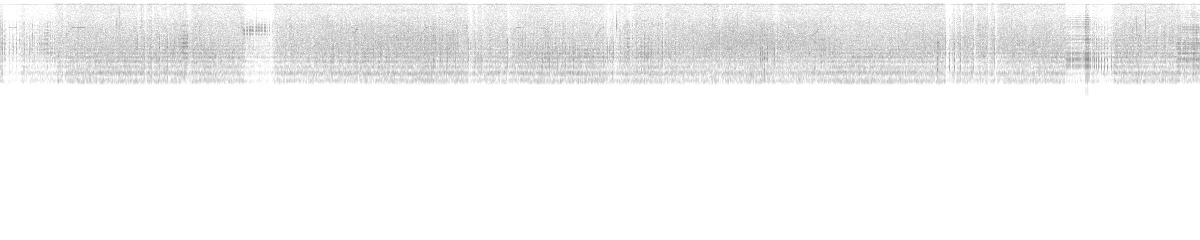
Codas are thought to function in reinforcing group cohesion via a shared vocal repertoire
Recording by National Oceanic and Atmospheric Administration, public domain (original file)
Blue whale song (sped up 10 times)

In contrast, song was not heard from feeding animals, but rather from solitary travelling males.
Recording by NOAA, public domain (original file)
Humpback whale moo

humpback whales in Southeast Alaska produce at least sixteen unique vocalizations known as non-song calls or ‘social calls’
Recording by National Park Service, Glacier Bay, public domain (original file)
Humpback whale song

song is primarily produced on the breeding grounds, during the time of the life cycle in which males are competing for mating opportunities with females
Recording by Stimpert A, Peavey L, Friedlaender A, Nowacek D, licensed CC BY 2.5 (original file)
Echolocation, social calls and song
Sperm whale clicks are working sounds. Johnson et al. (2016, Journal of the Acoustical Society of America) write that “usual clicks and buzzes are used for long- and short-range echolocation, respectively”. The same study says codas are thought to function in reinforcing group cohesion, and that slow clicks are only produced by male sperm whales and appear to have a communication function.
Humpback sounds fall into song and non-song calls. The National Park Service says humpbacks in Southeast Alaska produce at least sixteen unique non-song calls, known as social calls; the moo card uses this source. The humpback song is a separate thing. Stimpert et al. (2012, PLOS ONE) say song is primarily produced on the breeding grounds, while males compete for mating opportunities with females.
The blue whale song plays 10 times faster
The blue whale clip plays ten times faster than it was recorded. The card labels it “Sped up 10 times”, and every altered clip on these pages carries a label like that. All the other whale recordings play at their original speed. Oleson et al. (2007, Animal Behaviour) heard this kind of song from solitary travelling males, not from feeding animals.
Where these recordings come from
The sperm whale clips are from NOAA, the humpback moo is from the National Park Service (Glacier Bay), and the blue whale song is from NOAA, all in the public domain. The humpback song was recorded by Stimpert, Peavey, Friedlaender and Nowacek and is shared under a Creative Commons licence (CC BY 2.5). Each card names the recordist and links the original file and its licence.