
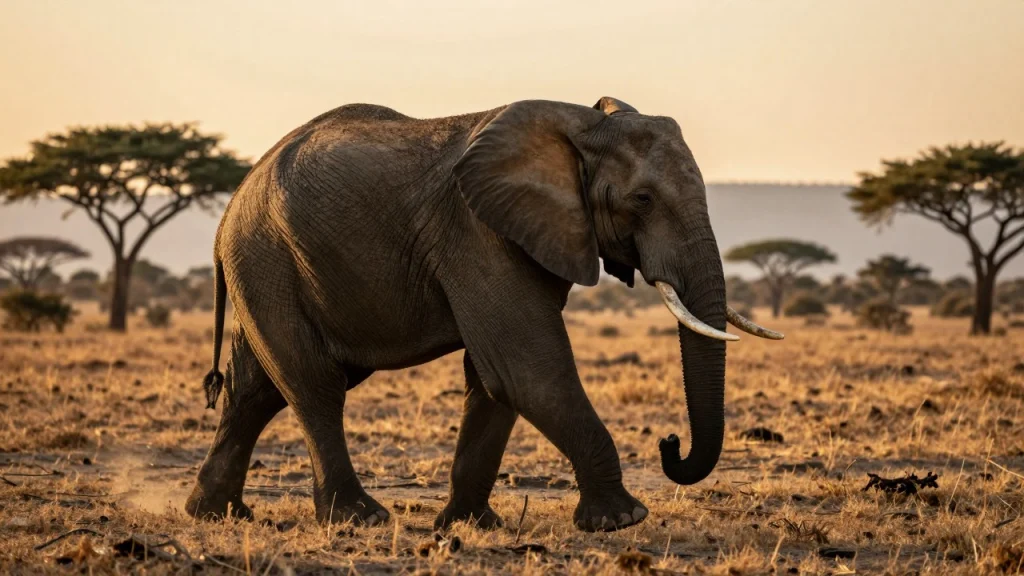
Wild elephants can live up to about 70 years, but few reach that age: recent data suggest African elephants rarely live past 50, and Asian elephants typically live into their mid-50s, making them among the longest-living land mammals on Earth. Their impressive lifespans are closely tied to their large size, complex social structures, and low natural predator count once they reach adulthood.
Wild African elephants rarely live past 50; data on wild Asian elephants are limited, but evidence suggests they typically live into their mid-50s. Factors such as habitat quality, diet, human conflict, and tooth wear play significant roles in determining how long an individual elephant survives.
Average Lifespan by Elephant Species
Lifespan varies slightly across the different elephant species due to distinct environmental pressures and evolutionary adaptations.
African Bush and Forest Elephants
African bush elephants (Loxodonta africana) are the largest living land animals and boast the longest natural lifespans. In protected wild habitats, healthy individuals can live up to about 70 years. African forest elephants (Loxodonta cyclotis), which inhabit dense rainforests of west and central Africa, share similar lifespan potential, though dense foliage and elusive habits make exact field monitoring more challenging.
Asian Elephants
Asian elephants (Elephas maximus) generally experience slightly shorter wild lifespans than their African counterparts. In natural habitats, reliable data are limited, but evidence suggests they typically live into their mid-50s. Differences in diet, tropical disease exposure, and human encroachment across South and Southeast Asia influence these numbers.
Key Factors Influencing Elephant Lifespan
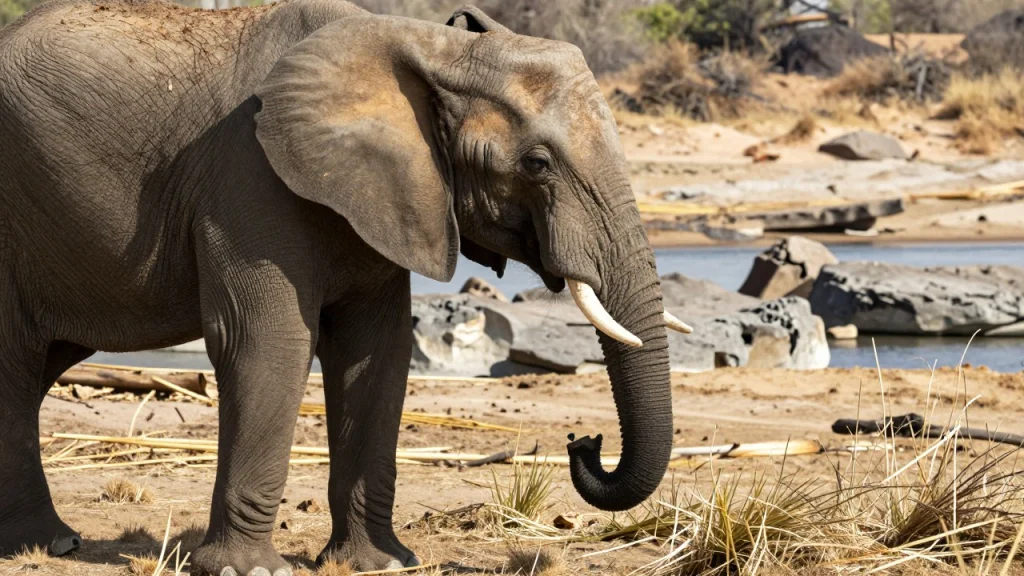
An elephant’s longevity depends on a combination of biological traits, environmental pressures, and health challenges.
Dental Health and Molar Replacement
One of the primary biological limits on an elephant’s life is its teeth. Elephants possess six sets of molars that rotate forward throughout their lifetime as older teeth wear down.
- New molars move forward from the back of the jaw to replace worn front teeth.
- In Asian elephants, the final set of molars typically erupts in the early 40s.
- Once the final set wears away (usually around age 60 to 70), the elephant can no longer chew tough vegetation efficiently, leading to malnutrition.
Habitat Quality and Resources
Access to abundant food and clean water is critical for long-term survival. During severe droughts, elderly elephants and young calves suffer first. Droughts reduce nutritional quality and force herds to travel vast distances, expending vital energy.
Human Impacts and Threats
Human activity represents the single greatest external threat to elephant longevity. Poaching for ivory, habitat fragmentation due to agriculture, and human-elephant conflict significantly shorten average lifespans in vulnerable regions compared to protected national parks.
Life Stages of an Elephant
Elephants pass through distinct growth and social phases over their long life journeys.
- Calfhood (0 to 5 years): Young calves depend entirely on milk and herd protection. They are vulnerable to predators like lions or hyenas.
- Adolescence (5 to 15 years): Young elephants begin eating solid vegetation and learning herd dynamics. Males prepare to leave the family unit.
- In adulthood, females reproduce and help raise calves within matriarchal herds, while males enter periods of musth and compete for breeding rights.
- Older females often serve as matriarchs, guiding the herd with decades of experience.
The Role of Matriarchs in Herd Survival
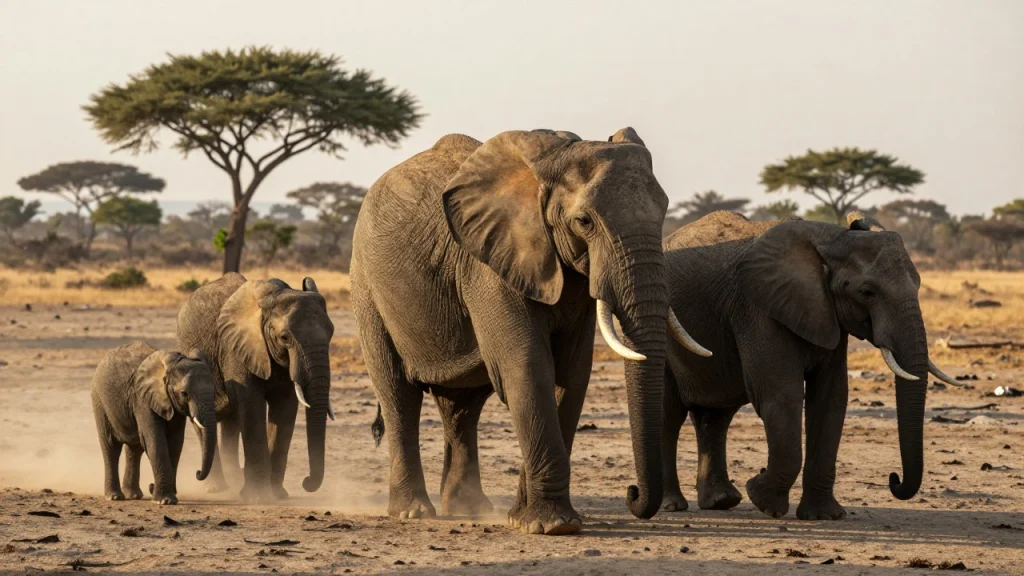
Older female elephants play a vital role in the survival of their entire family unit. In African elephant herds, the matriarch is usually the oldest and largest female. Her decades of experience allow her to remember vital watering holes during droughts, navigate migration routes, and assess threats from predators or human presence. The long lifespan of matriarchs directly enhances the survival rate of younger generations.
Conclusion
Elephants are remarkably long-lived creatures, capable of thriving for up to seven decades in safe, natural environments. Their longevity is supported by tight-knit social bonds and advanced cognitive abilities, but naturally limited by their unique dental biology. Protecting wild habitats and securing wildlife corridors ensures these majestic mammals can continue living out their full, natural lifespans.