
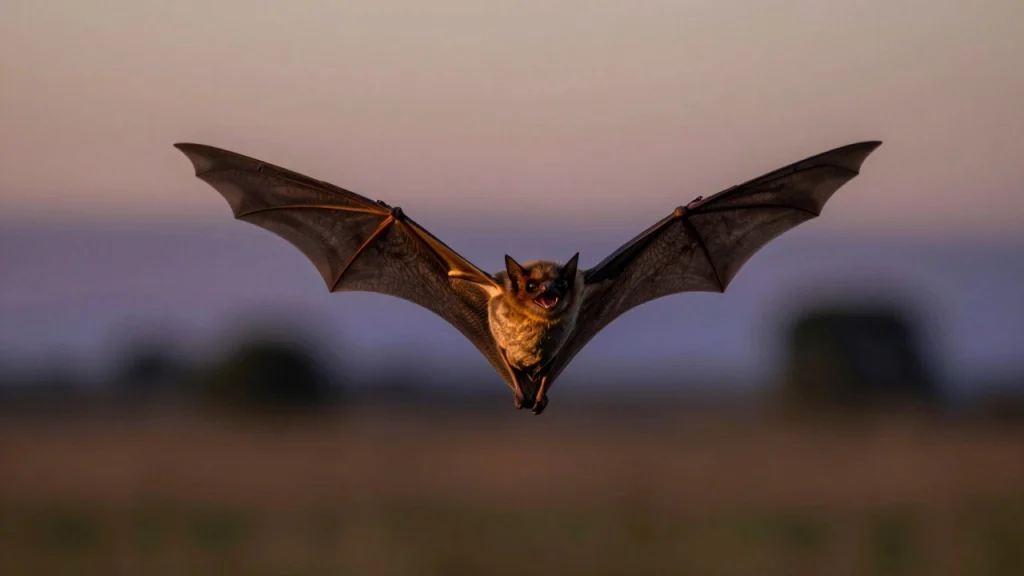
Deciding whether bats are good or bad to have around depends on where they roost and how people interact with them. In open outdoor environments, backyards, and agricultural landscapes, bats are overwhelmingly beneficial allies that suppress insect pests, pollinate crops, and disperse seeds. In the animal kingdom, these winged creatures stand out because no other mammals possess the ability for powered flight. The skeletal structure supporting their wings incorporates the same anatomical bones found within a four-fingered human hand.
While popular misconceptions frequently brand them as troublesome vermin, bats perform vital functions throughout ecological communities and support human interests in manifold ways. The problems arise almost entirely when wild bats move indoors into attics, wall voids, or living spaces. Inside residential buildings, accumulating droppings cause unpleasant odors and genuine respiratory hazards, while physical contact raises rabies risks. Understanding this distinction allows property owners to celebrate their ecological benefits outdoors while managing indoor conflicts safely.
Voracious insect hunters protecting crops and human health
The greatest environmental advantage bats offer human communities is their extraordinary capacity for natural insect predation. Approximately 70% of all bat species function as insectivores that feed on nocturnal insects. A foraging bat can ingest 50% or more of its total body mass in captured insects during a single night. Across American farmland, nightly insect foraging delivers more than $3.7 billion in annual pest control services.
By suppressing nocturnal insect pests before they devour crops, these winged hunters reduce economic losses across agriculture. Having foraging bats near agricultural plots minimizes crop damage from pests while reducing the financial expenses farmers incur for chemical pesticides. Common species like Big Brown Bats consume diverse pest insects, which sustains the general health of agricultural fields and woodlands. Their dietary choices directly protect food supplies and support healthier forest canopies.
Beyond saving agricultural crops, insectivorous bats protect human residential communities from vector-borne disease. Night-flying insects frequently transmit severe illnesses among human populations and domestic livestock. Insectivorous bats curb the transmission of serious pathogens like West Nile virus by preying on vector insects. Their nightly foraging runs reduce insect swarms around human settlements without introducing toxic sprays into backyard air.
Essential pollinators and forest seed dispersers
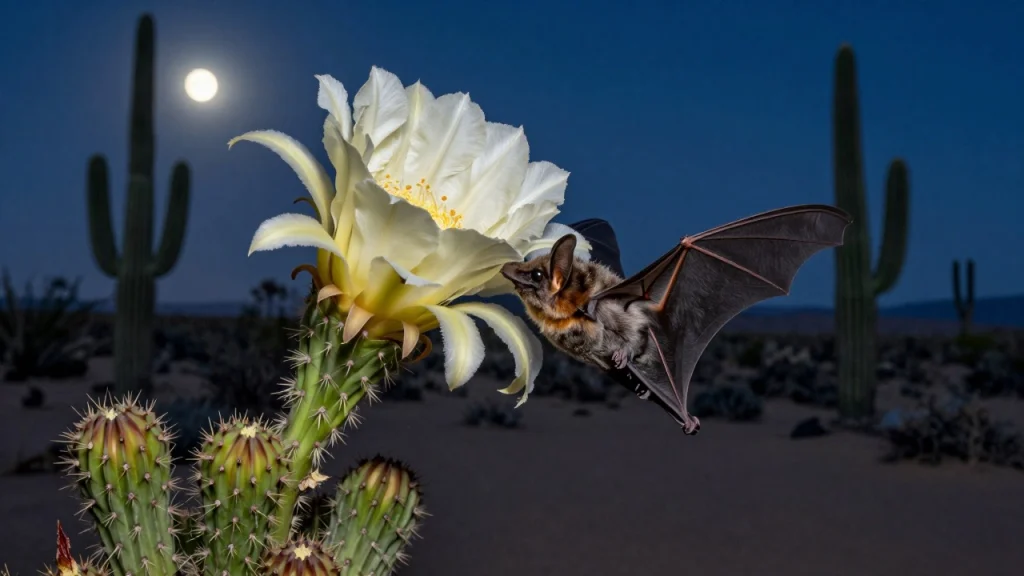
Many bat species nourish themselves on floral nectar rather than bugs, providing essential fertilization for both wild flora and human agriculture. Nectar-feeding species serve as vital pollinators for economically valuable crops, including wild Agave and cultivated bananas ( Musa ). Specialized long-nose and long-tongue bats in southwestern desert regions exhibit evolutionary adaptations for visiting desert flora, yielding significant benefits for commercial agriculture.
Tropical fruit production is equally indebted to floral foraging by nectar-seeking bats. Floral visits by bats support the reproduction of numerous fruiting plants, such as avocados, bananas, dates, figs, and peaches. These plants rely on nocturnal mammals to transfer pollen between flowering trees across fragmented tropical landscapes. By moving pollen over substantial distances under cover of darkness, bats maintain genetic diversity among tree populations that diurnal insects cannot easily bridge.
Fruit-eating species expand this ecological support by dispersing seeds across devastated landscapes. Frugivorous species fulfill essential ecological functions by dispersing seeds that regenerate and sustain tropical forests. Certain tropical plant varieties cannot germinate unless their seeds first travel through the digestive tract of a fruit bat. As bats excrete these ingested seeds while flying across cleared clearings, they jump-start new forest growth across formerly degraded terrain.
Nutrient cycling, cave food chains, and medical science
Even the waste products of bats deliver profound biological and commercial benefits to the natural world. Inside subterranean caverns, bat guano supplies essential organic nutrients that nourish entire communities of cave-dwelling organisms. In deep subterranean habitats devoid of sunlight and green vegetation, falling bat droppings form the foundational energy source for unique invertebrates, microbes, and amphibians.
Humans have harnessed this concentrated organic richness for agricultural applications. Because accumulated droppings make exceptional natural fertilizer, commercial operations mine many tons of guano each year from major roosting caves. Beyond field fertilizer, the specialized microbes flourishing in these deposits hold immense potential for modern pharmacology. Accumulated guano deposits harbor bacterial strains that assist medical research, including the manufacturing of antibiotics.
Furthermore, bats occupy a central role in terrestrial and aerial food chains. In natural food webs, bats serve as an energetic prey source for raptors like hawks, falcons, and owls, while mammals such as weasels, ringtail cats, and raccoons opportunistically target them in roosts. Their presence provides a reliable source of protein for these predators.
Challenges of indoor roosts and structural contamination
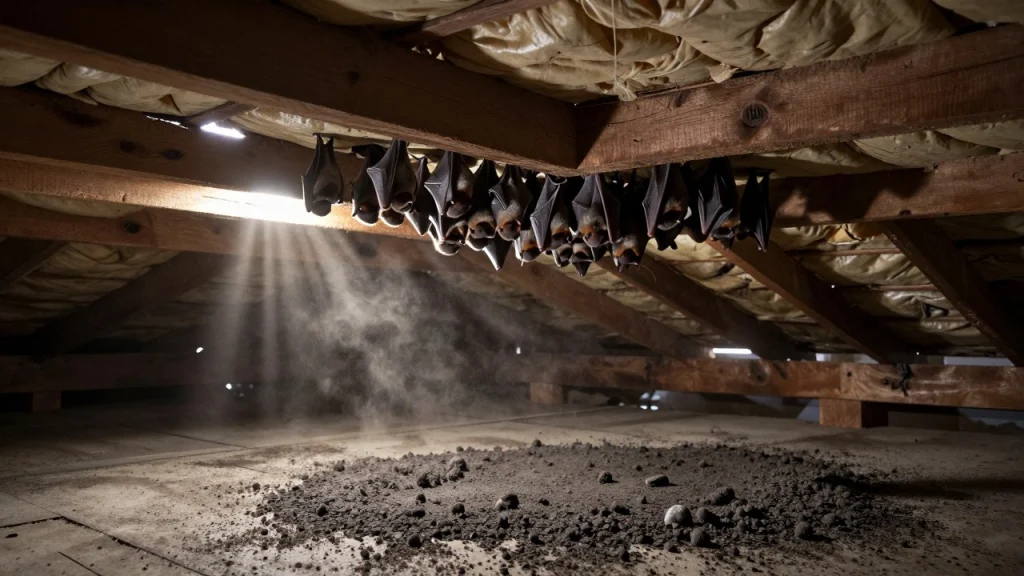
Despite their outdoor contributions, bats create genuine hazards when they establish roosts inside human living quarters. Even though fears about bats are frequently exaggerated, their presence can still create real negative impacts for property owners in specific circumstances. Attics, crawlspaces, and exterior siding gaps provide warm, protected cavities that mimic hollow trees and rocky cliffs. When an entire maternal colony roosts inside an attic or wall cavity, substantial accumulations of guano generate an intense, unpleasant odor.
This buildup of fecal material does far more than create bad smells; it introduces serious respiratory dangers for household residents. A primary biological hazard associated with indoor colonies is histoplasmosis, an infectious respiratory illness triggered by the microscopic fungus Histoplasma capsulatum. This pathogenic mold proliferates in soils and enclosed environments enriched with substantial deposits of bat guano. Infectious fungal spores multiply readily within guano deposits that remain undisturbed for several weeks.
When property owners attempt to sweep or vacuum dried droppings without proper containment, microscopic spores become airborne. Disturbing dry guano during cleaning projects creates airborne dust that exposes occupants to severe histoplasmosis infection. Inhaling these fungal spores can lead to persistent coughs, high fevers, chest pain, and long-term pulmonary inflammation. Consequently, remediating an indoor infestation requires specialized personal protective equipment, damp-wiping techniques, and professional exclusion rather than casual sweeping.
Dispelling myths about rabies and vampire bats
Rabies remains the most widespread public anxiety regarding bats, yet folklore often exaggerates the actual frequency of infection. Contrary to persistent folklore, less than 1% of wild bats contract rabies. Under normal environmental conditions, bats rarely transmit the rabies virus to human beings or domestic household pets. Healthy individuals shy away from human contact, preferring to remain secluded in dark shelters or foraging high above the ground.
Nonetheless, any direct physical interaction with a bat demands strict caution and immediate medical attention. Individuals found grounded, active during bright daylight, or making direct contact with people carry a significantly elevated likelihood of viral infection. Because bat teeth are tiny and sharp, a sleeping person may not even feel a bite puncture during the night. If an exposure event occurs, prompt post-contact clinical prophylaxis makes rabies 100% preventable.
Vampire folklore has similarly fueled irrational fears among the public, despite the extreme biological rarity of blood-feeding habits. Among approximately 1000 species known globally, merely three species subsist entirely on blood. These specialized hematophagous species, known as vampire bats, live exclusively within Central and South America. In tropical regions of the Americas, vampire bats routinely transmit rabies to pastured cattle, creating major economic losses for livestock producers.
Promoting safe outdoor coexistence and bat conservation
The solution to living near bats lies in peaceful coexistence outdoors while maintaining secure physical barriers on our homes. Homeowners who want natural pest suppression without structural damage can erect an outdoor bat house in their yard or neighborhood. Mounting an artificial roost box on a tall pole or sunny exterior wall gives foraging bats a dedicated shelter away from human attics. This arrangement delivers exceptional backyard pest control while keeping living areas clean and safe.
Supporting bat survival is more urgent today than ever before due to catastrophic environmental pressures. Throughout regions of eastern North America, bat populations face dual threats from developmental habitat loss and a lethal fungal condition known as white-nose syndrome. White-nose syndrome, a lethal fungal infection, has taken a toll on these bat populations as well. Preserving outdoor roosting sites and tolerating these flying mammals outside helps safeguard essential ecosystem services that benefit humanity every single day.