What do cheetahs eat? Prey, diet and hunting habits
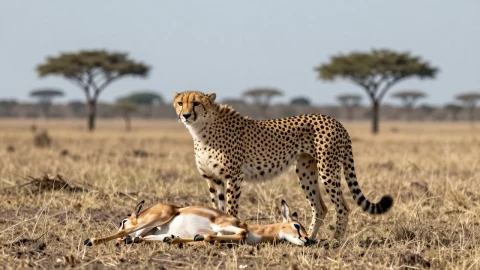
Cheetahs eat antelope and other hooved mammals weighing 23 to 56 kg, relying on sprints of up to 112 km/h, suffocation kills, and opportunistic prey when needed.

Curiosities, questions and fascinating facts
Cheetahs eat antelope and other hooved mammals weighing 23 to 56 kg, relying on sprints of up to 112 km/h, suffocation kills, and opportunistic prey when needed.
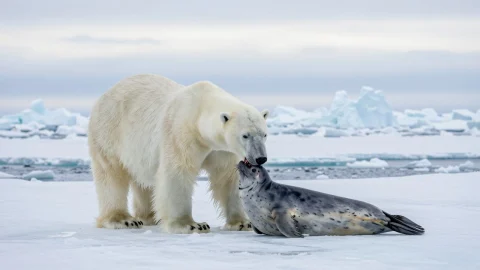
Polar bears eat mostly ringed seal blubber, which fuels them for days. Learn what else they hunt, how they do it, and what they eat when the ice disappears.
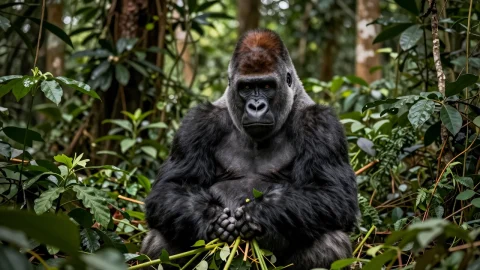
Gorillas grow massive on a plant-based diet thanks to enormous daily food intake, fiber-fermenting gut bacteria, and a digestive system built to extract maximum nutrition from leaves and fruit.

Giant pandas eat about 13 to 15 kg of bamboo daily in the wild, spending up to 16 hours foraging because their carnivore gut absorbs only 17% of nutrients.
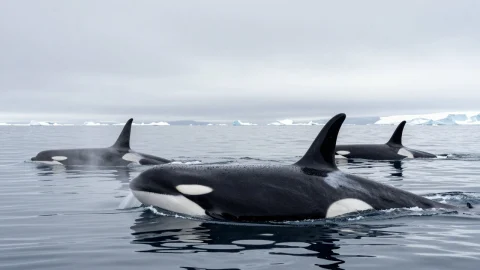
No verified record exists of orcas eating polar bears. Killer whales hunt seals, whales, and fish, while polar bears scavenge whale carcasses left behind.

Giant pandas rarely eat meat and will likely stay bamboo specialists. Their anatomy, time budget, and disrupted umami taste receptors all reinforce a plant-based diet.

Giant pandas eat bamboo almost exclusively, up to 12.5 kg daily, spending up to 16 hours a day foraging to compensate for a digestive system poorly suited to plant fiber.
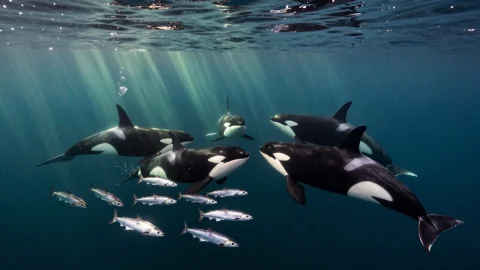
Orcas eat fish, marine mammals, sharks, and more, but which prey depends on their ecotype. Residents favor salmon, transients hunt seals, and offshores are thought to sometimes take sharks.
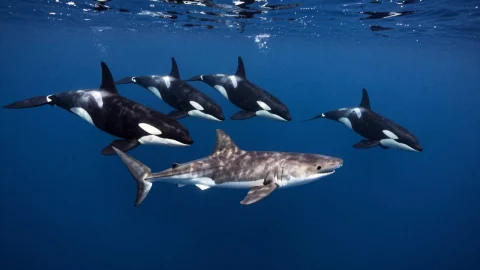
Yes, orcas eat sharks. Field observations confirm they hunt white sharks and whale sharks using coordinated group tactics, targeting the liver for its dense energy.
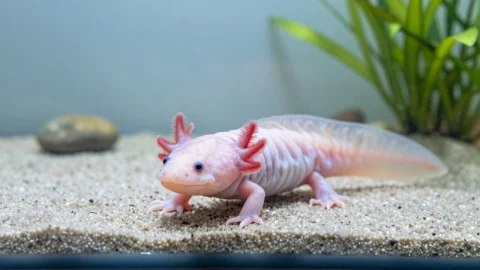
No source gives one firm fasting limit for axolotls, but salamanders tolerate starvation well. See what research shows and why a long fast signals trouble.