Do squirrels eat meat? What their diet really includes
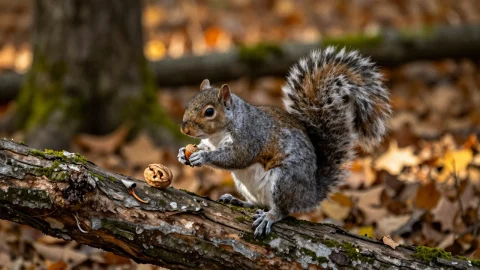
Squirrels eat meat opportunistically alongside seeds and nuts. Insects, eggs, nestlings and carrion all appear in their diet, driven by availability rather than preference.

Curiosities, questions and fascinating facts
Squirrels eat meat opportunistically alongside seeds and nuts. Insects, eggs, nestlings and carrion all appear in their diet, driven by availability rather than preference.
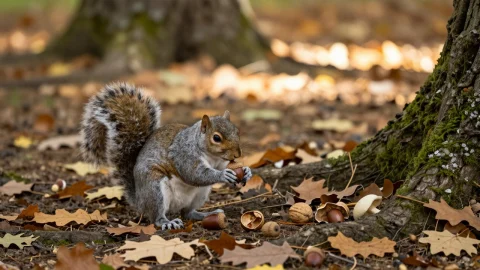
Squirrels are omnivores that eat acorns, nuts, conifer seeds, fungi, insects, fruit, buds and bird eggs, with their diet shifting by season and species.
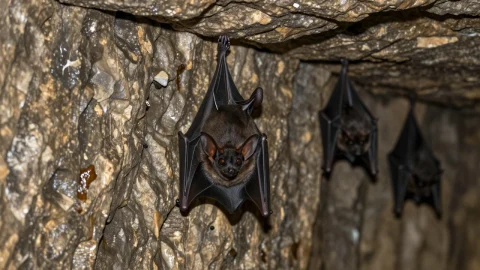
Only three of nearly 1,000 bat species drink blood. Learn which they are, how they feed, and why one of them is actually thriving thanks to livestock farming.
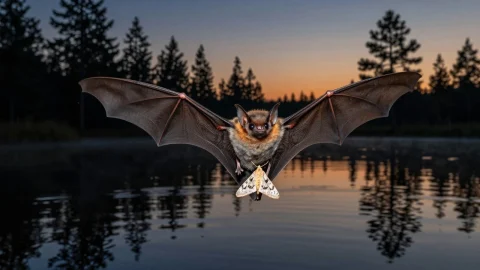
Most bats eat insects, but bats also feed on fruit, nectar, fish, other vertebrates, and blood. Learn what different bat species eat and why it matters.
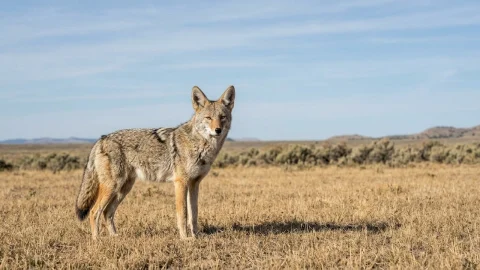
Coyotes eat small mammals, deer, fruit, carrion, insects and even garbage, with a menu that shifts by season, region and habitat to keep them thriving continent-wide.
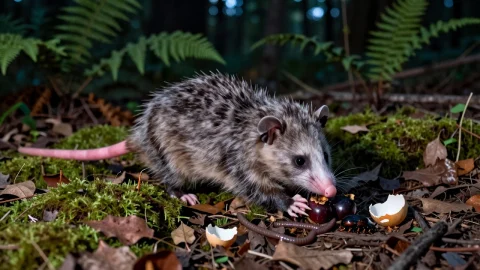
Opossums eat insects, fruit, rodents, carrion, and garbage. Learn what stomach studies reveal about their surprisingly balanced wild diet.
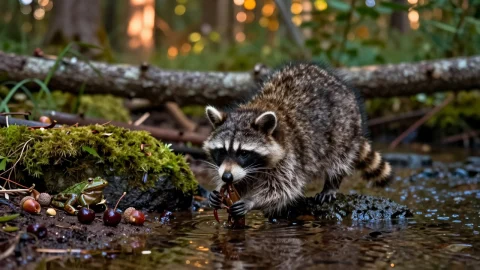
Raccoons are opportunistic omnivores that eat fruit, nuts, crayfish, insects, eggs, and urban food waste, with their diet shifting by season, habitat, and species.
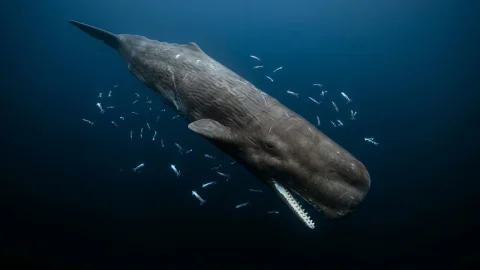
Sperm whales eat mainly small to medium squid, with fish, skates, and sharks filling the rest of a diet hunted in total deep-sea darkness.
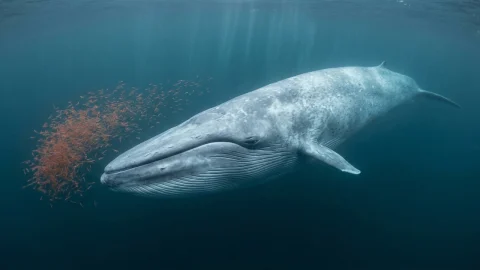
Blue whales eat almost exclusively krill, consuming up to 4 tons a day by lunging into dense swarms and filtering the water back out in one enormous mouthful.
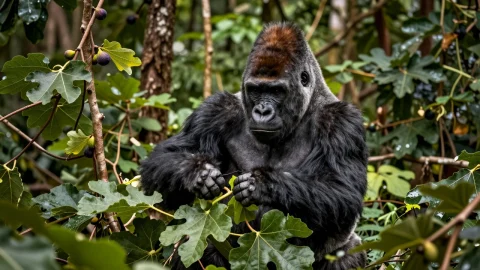
Gorillas eat mostly leaves, stems, bark, and fruit. Diet varies by subspecies and season, with mountain gorillas relying on foliage and lowland gorillas eating more fruit.