
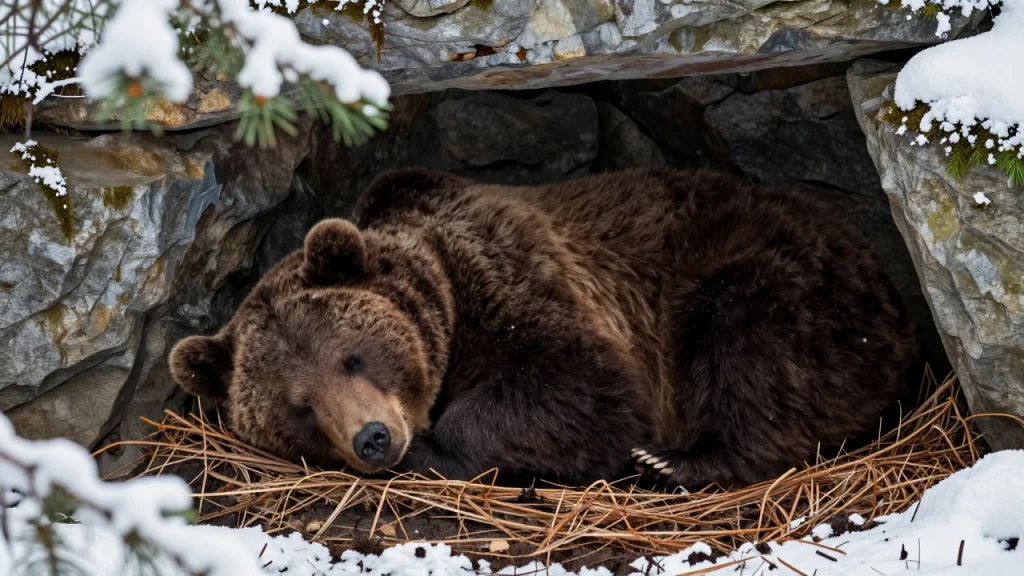
Do bears hibernate in the winter? The short answer is yes, but not in the traditional biological sense. While most people picture hibernation as a deep, unbroken winter sleep where an animal cannot be easily awakened, bears undergo a specialized form of winter dormancy known as torpor.
During this extended period of winter dormancy, bears enter a state of reduced metabolic activity to survive months of severe cold and scarce food. Understanding how bears adapt to winter conditions reveals one of the most fascinating survival strategies in the mammalian world.
The Difference Between Hibernation and Torpor
To understand bear winter behavior, it helps to distinguish between true hibernation and torpor. Small mammals like ground squirrels, bats, and dormice are true hibernators. During winter, their body temperature drops drastically to near freezing, their heart rate slows to a few beats per minute, and they enter a state of deep torpor where they are completely unresponsive to external stimuli.
Bears, on the other hand, experience a modified version of hibernation often termed super hibernation or torpor:
- Body Temperature Drop: A bear’s core body temperature drops only slightly, usually by about 12 degrees Fahrenheit (about 7 degrees Celsius).
- Arousal Ability: Because their body temperature remains relatively high, bears can wake up relatively quickly if disturbed or threatened.
- Metabolic Suppression: Despite maintaining a warm body temperature, a bear’s metabolic rate slows by up to 75 percent.
- Heart Rate Reduction: A resting bear’s heart rate can decrease from a normal 40 to 50 beats per minute down to 8 to 19 beats per minute.
This unique physiological adaptation allows bears to conserve vast amounts of energy while remaining capable of defending themselves or their newborn cubs.
How Bears Prepare for Winter Dormancy
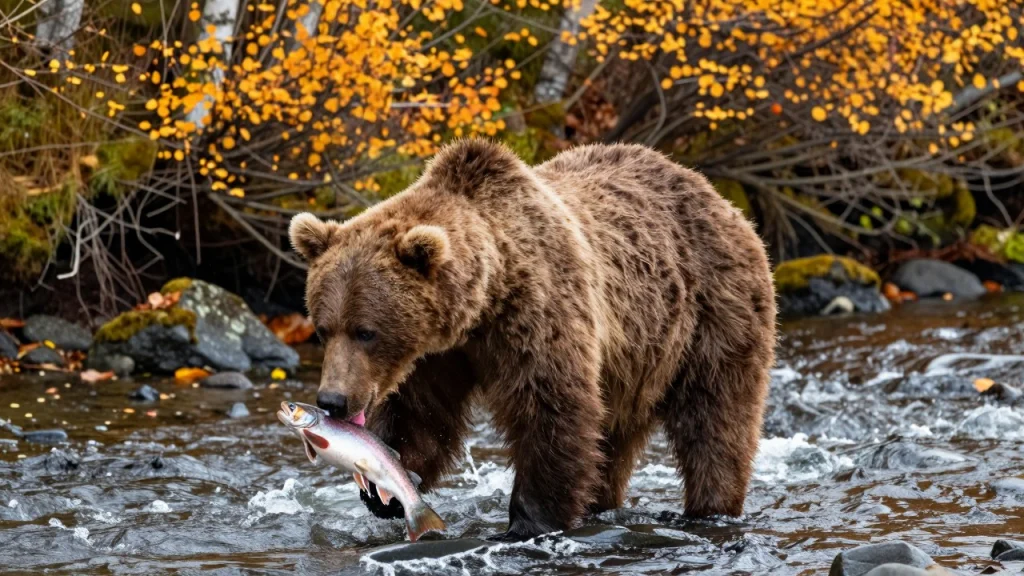
Survival through the winter depends heavily on preparations made during late summer and autumn. During this phase, known as hyperphagia, bears eat almost continuously to build up thick layers of body fat.
During hyperphagia, bears consume tens of thousands of calories each day, targeting nutrient-rich foods such as berries, nuts, fish, and small mammals. This accumulated fat serves two essential functions during the winter months:
- Energy Supply: Body fat acts as the primary fuel source to sustain basic metabolic functions throughout dormancy.
- Thermal Insulation: Thick fat reserves, combined with dense winter fur, protect the bear against freezing ambient temperatures inside the den.
If a bear fails to store sufficient fat before winter begins, it may emerge early from its den or struggle to survive until spring.
What Happens Inside the Winter Den?
Once cold weather arrives and food sources become scarce, bears seek out or construct a winter den. Dens can be located inside hollow trees, under rock overhangs, in dug-out hillside burrows, or beneath brush piles.
Inside the den, bears achieve an extraordinary biological feat: they do not eat, drink, urinate, or defecate for up to seven months.
Recycling Waste Products
In normal mammal physiology, the breakdown of fat and protein creates urea, a toxic waste product excreted through urine. Bears avoid toxicity during dormancy by recycling urea back into proteins. Their bodies break down urea and reuse the nitrogen to maintain muscle mass and vital organ health, allowing them to emerge in spring with minimal muscle atrophy.
Water Conservation
Bears do not need to drink water during winter dormancy. Instead, their bodies produce metabolic water as a byproduct of breaking down stored fat. This internal water supply satisfies their hydration needs until they exit the den.
Do All Bear Species Hibernate?
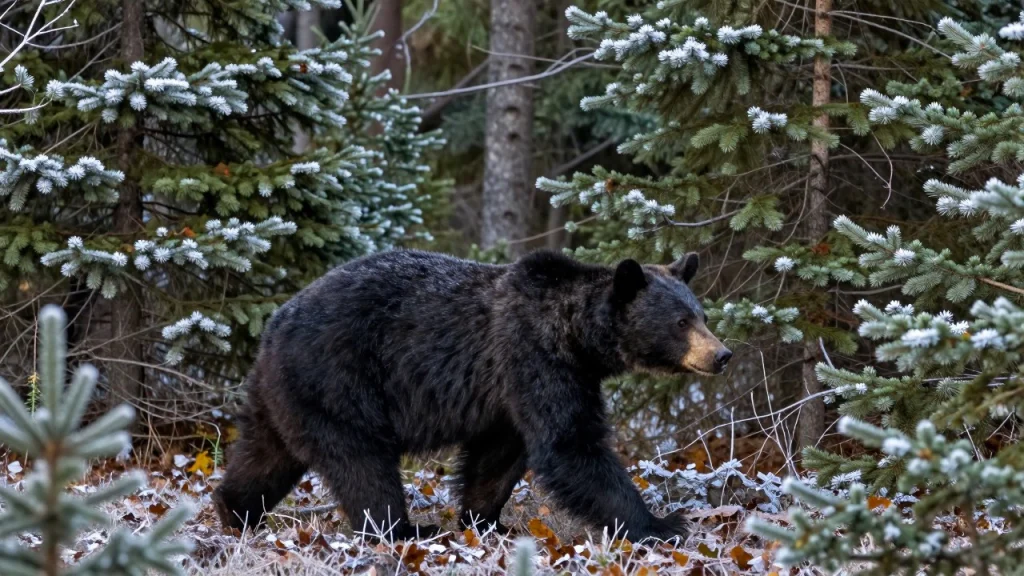
Not all bear species hibernate, as winter dormancy is an evolutionary adaptation driven primarily by climate conditions and seasonal food availability.
- Grizzly Bears and Black Bears: Northern populations of brown bears (grizzlies) and American black bears endure long, harsh winters with severe food shortages, making hibernation essential for survival.
- Polar Bears: Female polar bears enter dens during winter to give birth and care for vulnerable newborn cubs. However, male polar bears and non-pregnant females generally remain active throughout the winter hunting seals on the sea ice.
- Tropical Bear Species: Species living in warm climates with year-round food supplies (such as sun bears, sloth bears, and spectacled bears) do not hibernate at all.
Even within a single species like the American black bear, individuals living in warmer southern regions may hibernate for a much shorter duration, or skip dormancy altogether if food remains accessible.
Mother Bears and Winter Births
Winter dens serve a critical role in bear reproduction. Female bears undergo delayed implantation, meaning a fertilized egg will only implant in the uterus if the mother has stored enough fat reserves during autumn.
Pregnant females give birth inside the den during mid-winter, typically in January or February. Newborn cubs are tiny, hairless, blind, and weigh less than a pound at birth.
The mother wakes up to tend to her offspring, nursing them with milk rich in fat. The warm environment of the den and the mother’s body heat keep the cubs safe until spring, when they are strong enough to follow her outside.
Exiting the Den in Spring
As temperatures rise and daylight increases in spring, bears gradually wake up and leave their dens. This transition is not immediate; bears often experience a period of walking hibernation lasting a few weeks.
During walking hibernation, the bear’s metabolic rate and activity levels slowly return to normal. Their digestive system gradually restarts, and they begin seeking early spring food sources, such as young vegetation, roots, and winter-killed carcasses.
Bears survive winter through a refined evolutionary strategy. By entering torpor rather than true deep hibernation, they balance energy conservation with environmental awareness, ensuring their survival across diverse and challenging landscapes.
Sources
- U.S. National Park Service: Bear Ecology – Yellowstone National Park
- U.S. National Park Service: Species Spotlight – Black Bear
- California Department of Fish and Wildlife: Fall Means Feeding Frenzy for Black Bears
- San Diego Zoo Wildlife Alliance: Andean (Spectacled) Bear
- WWF Arctic: Polar bear | Behaviours