
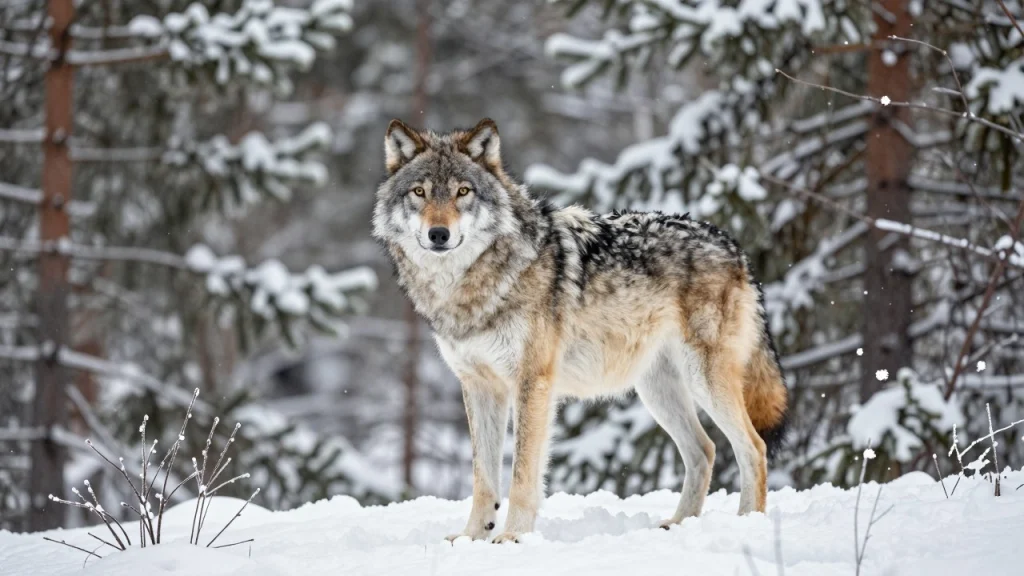
Wolves are apex carnivores whose dietary needs, hunting strategies, and opportunistic feeding habits play a vital role in maintaining balance within ecosystems. As large predators operating primarily in cohesive social structures, wolves have evolved to target a wide variety of prey, ranging from massive ungulates to smaller mammals and seasonal food sources.
Understanding what wolves eat requires examining their role as generalist carnivores. While ungulates form the core of their diet across most habitats, wolves adapt their hunting patterns based on seasonal availability, prey density, region, and pack size.
The Primary Diet of Wolves: Wild Ungulates
In almost every ecosystem they inhabit, wolves rely on large hoofed mammals, known as ungulates, as their primary source of nutrition. These large prey animals provide the heavy caloric intake needed to sustain an active pack.
Depending on geographic location, a wolf’s main dietary components typically include:
- Elk and Red Deer: Highly favored across North America and Eurasia due to their high nutritional yield.
- Moose: Frequently targeted by larger packs, offering substantial food despite the high risks involved in hunting them.
- White-Tailed Deer and Mule Deer: Crucial prey items in forested regions and mixed agricultural landscapes.
- Bison and Muskoxen: Hunted primarily by specialized packs in northern wilderness areas and national parks.
- Wild Boar: A major component of wolf diets across parts of Europe and Asia.
Targeting ungulates allows wolves to maximize energy return relative to the exertion spent tracking and chasing down large animals over long distances.
Small Mammals and Alternative Prey
While large ungulates make up the bulk of their biomass intake, wolves frequently supplement their meals with smaller prey species. These smaller animals are especially critical for younger wolves learning to hunt or during seasons when ungulate populations are dispersed.
In times of abundance or during solo hunting trips, wolves readily hunt:
- Snowshoe Hares and Rabbits: Common targets in boreal forests and tundra environments.
- Beavers: Essential seasonal food sources near rivers, wetlands, and lakes during spring and summer.
- Rodents: Voles, ground squirrels, and mice captured during opportunistic foraging.
- Waterfowl and Birds: Ground-nesting species or injured birds encountered near waterways.
Incorporating smaller mammals ensures that individual wolves maintain adequate nutrition even when pack hunts for large prey are unsuccessful.
Seasonal Diet Shifts and Opportunistic Feeding
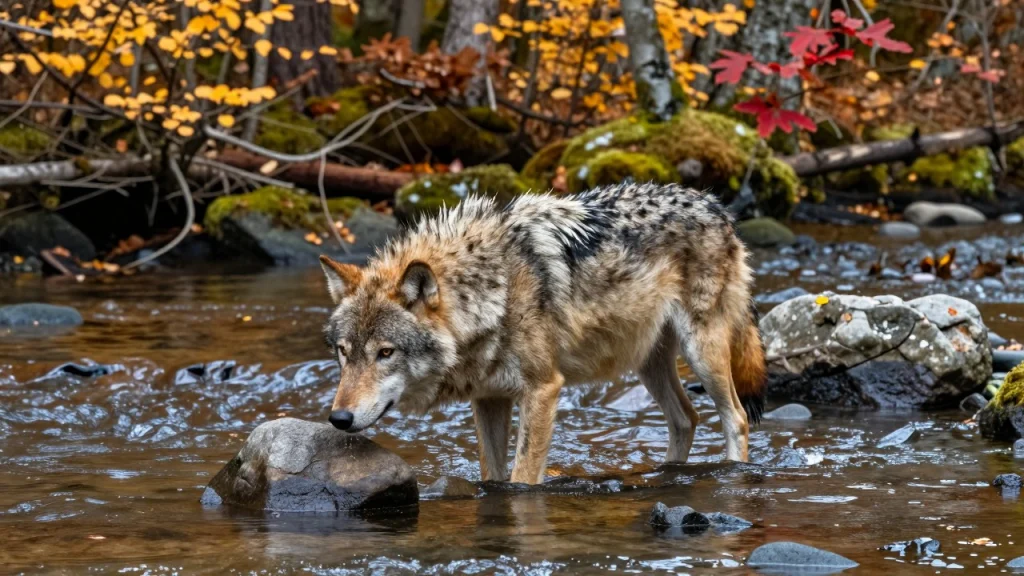
Wolves are highly adaptable opportunists that adjust their dietary habits throughout the year based on resource availability. Different seasons present distinct foraging opportunities across their range.
During spring and summer, wolves take advantage of newborn ungulate calves and fawns, which are much easier to hunt than healthy adults. In late summer and autumn, coastal populations of gray wolves in regions like the Pacific Northwest display remarkable dietary flexibility by catching and consuming spawning salmon.
In addition to fresh meat, wolves occasionally consume wild fruits, berries, and vegetation. While plant matter makes up a negligible portion of their total caloric intake, items like blueberries or seeds are sometimes eaten for minor nutrients or digestive benefits.
How Much Food Does a Wolf Need?
A wolf’s consumption pattern is characterized by a “gorge-and-fast” cycle. Because hunting wild prey is unpredictable, wolves do not always eat every day, but their stomachs are adapted to handle massive quantities when a kill is made.
On average, a wild adult wolf needs about 3.25 kilograms (roughly 7 pounds) of meat per day to survive. However, after a successful hunt following days of fasting, a mature wolf can consume up to 20 pounds of meat in a single feeding.
This capacity to gorge allows wolves to store energy efficiently and survive long stretches of arduous travel through harsh terrain without immediate food.
The Role of Scavenging in Wolf Survival
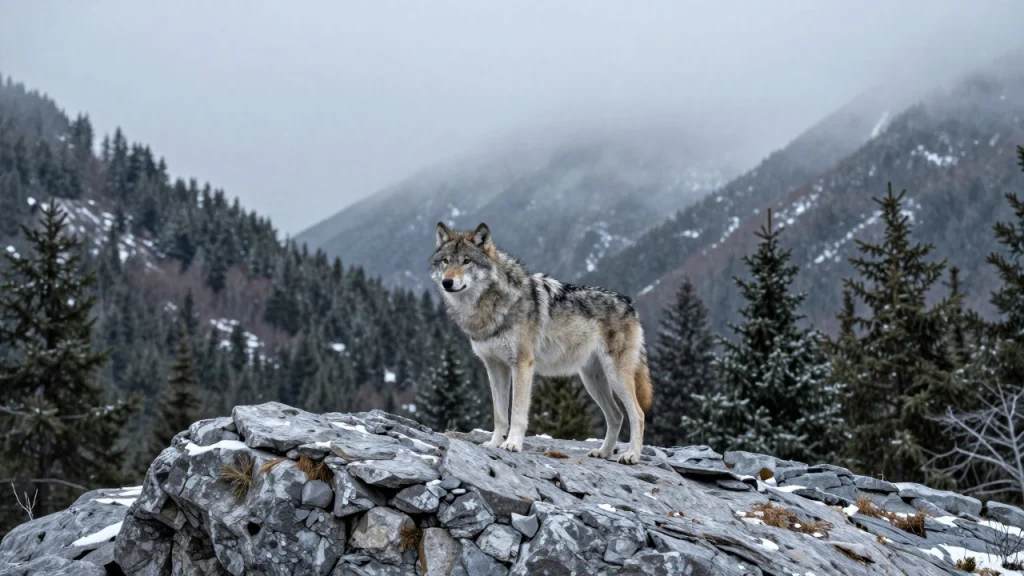
Hunting requires massive amounts of energy and carries significant risks of injury from powerful prey like adult moose or bison. Consequently, wolves frequently engage in scavenging to secure easy meals.
Wolves routinely scavenge on carcasses resulting from:
- Winter Mortalities: Animals that succumbed to extreme weather, starvation, or disease.
- Kills by Other Predators: Scavenging opportunities taken from bears, cougars, or rival wolf packs.
- Natural Disasters: Remains left behind after wildfires, avalanches, or floods.
Scavenging reduces the physical stress of hunting and provides vital nutrition during harsh winter months when live prey may be scarce or difficult to track.
How Wolves Hunt and Consume Their Prey
Wolves rely on teamwork, endurance, and communication to secure large prey. Rather than relying on short bursts of extreme speed like solitary felids, wolves employ endurance coursing, chasing prey over long distances to identify weak, elderly, or young individuals.
Once a kill is secured, a strict social hierarchy dictates how the meal is shared within the pack:
- Dominant Pair First: The breeding male and female usually take priority access to feed on the most nutrient-rich organs.
- Pack Members: Subordinate adults and yearlings feed next, consuming muscle tissue and fat.
- Pups and Juveniles: Young offspring receive regurgitated meat from adults or eat remaining scraps.
- Bone and Hide: Strong jaws allow wolves to crack open heavy bones to access rich bone marrow, leaving very little waste behind.
This efficient utilization of prey ensures maximum energetic benefit for every member of the social group.
Ecological Impact of the Wolf Diet
The feeding habits of wolves have a profound stabilizing effect on their native ecosystems, a phenomenon known as a trophic cascade. By preying on large herbivores, wolves can reduce overbrowsing, and leftovers from wolf kills feed scavengers such as ravens, magpies, coyotes, bears, and eagles.
Through their daily feeding habits, wolves help sustain biodiversity across entire wilderness landscapes.
Sources
- Animal Diversity Web: Canis lupus (gray wolf) | INFORMATION
- U.S. National Park Service: Wolf Ecology – Yellowstone National Park
- U.S. National Park Service: Wolf Research – Lake Clark National Park & Preserve
- Smithsonian’s National Zoo: Gray wolf | Smithsonian’s National Zoo and Conservation Biology Institute
- Colorado State University Extension: Ecological Effects of Wolves