
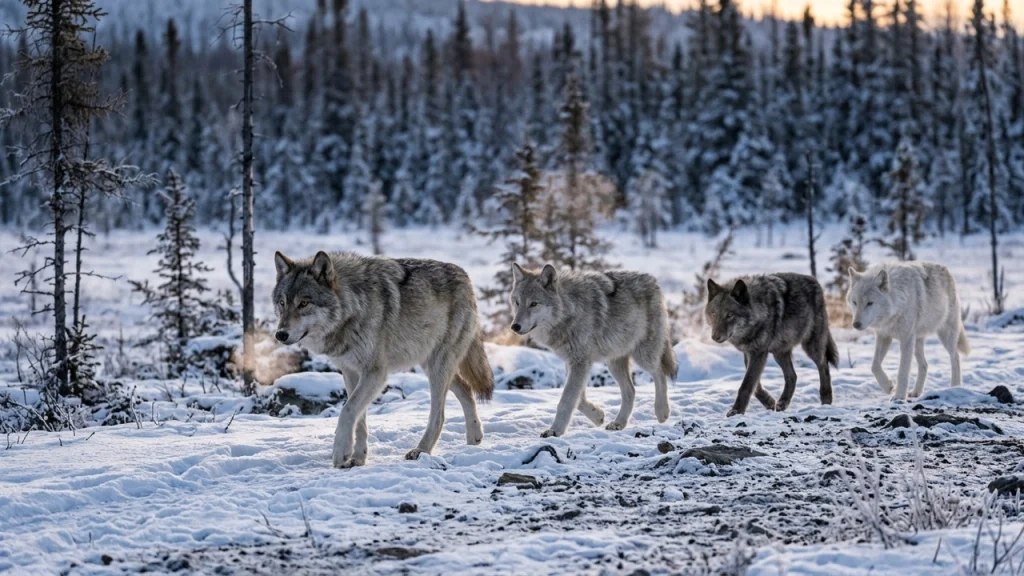
Gray wolves average 5 to 6 years in the wild according to Animal Diversity Web, while National Geographic lists an average of 6 to 8 years. Animal Diversity Web adds that a wild gray wolf may live thirteen years, and the Smithsonian’s National Zoo says gray wolves can live seven to eight years in the wild.
For wolves in captivity or human care, Animal Diversity Web says they may live to fifteen, and the Smithsonian’s National Zoo says up to 20 years. Separately, San Diego Zoo Wildlife Alliance lists a life span of 13 to 15 years.
Lifespans in Yellowstone and the Rockies
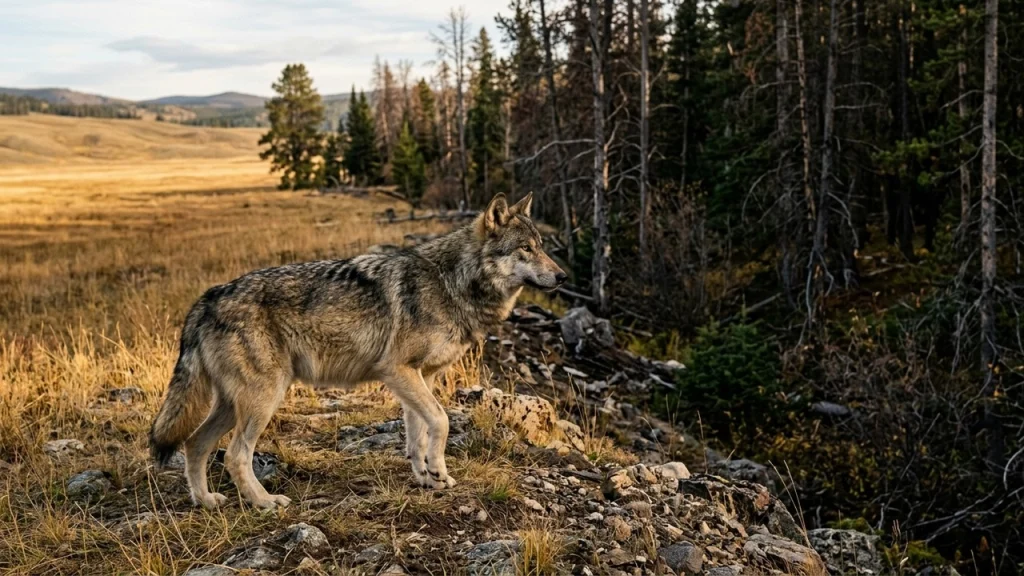
The National Park Service lists an average lifespan of 4 to 5 years for wolves in Yellowstone and an estimated 2 to 3 years outside the park. Its Yellowstone wolf facts also give 18% as the share of the population older than 5 years.
The oldest wolf known in Yellowstone was 478F of the Cougar Creek pack, at 12.5 years. The oldest known in the Rockies was B2, released in Idaho at an estimated 4 years of age. It died at 13.8 years, of unknown causes. These are records for single animals, not typical lifespans.
What kills wolves
In the park, the leading cause of death for wolves is other wolves, according to the National Park Service. Outside the park, the leading cause is human-caused death.
For adult wolves, the Park Service’s figures for the GYE list human causes at 77% and natural causes at 23%. Animal Diversity Web says adult gray wolves usually die of old age or of wounds picked up while hunting or in fights with other wolves.
Mating, pups and growing up
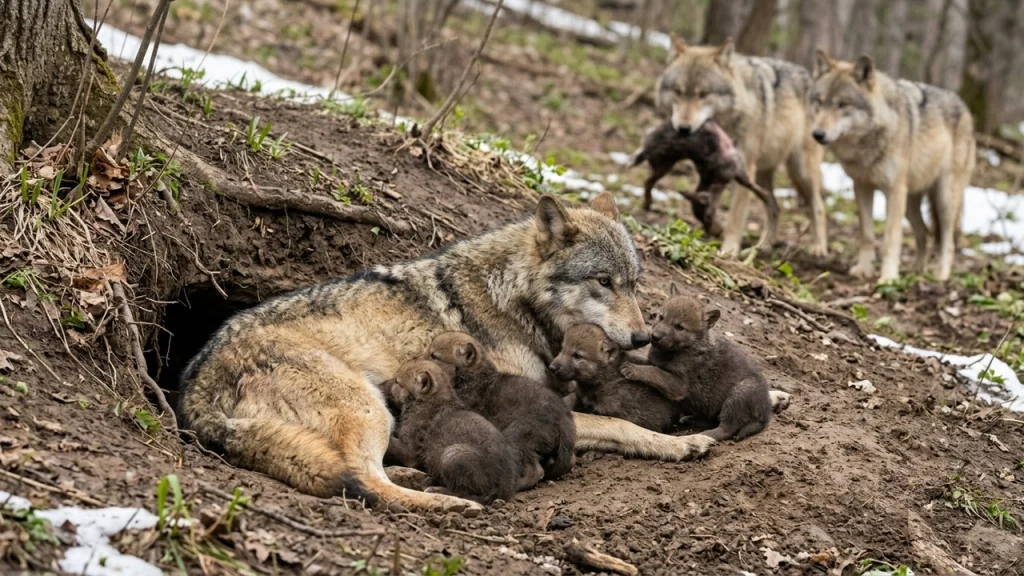
Gray wolves breed once each year. The Smithsonian’s National Zoo says mating can take place at any point from January to April, and the pups are born in spring. Gestation lasts 62 to 63 days, and the average litter is six pups.
Newborn pups weigh about 16 ounces (450 grams), and they can neither see nor hear. Their eyes open after 11 to 15 days, and they leave the den at 3 weeks old.
At approximately ten months old, young wolves begin hunting with the pack. Most leave the pack they were born into when they are between 1 and 3 years old. Animal Diversity Web says females reach maturity at two years and males reach full maturity at three years.
Pack life, size and diet
Gray wolves are highly social, pack-living animals, and most packs have 5 to 9 members, according to Animal Diversity Web. The Smithsonian’s National Zoo says they hunt cooperatively and can take down prey larger than themselves, including caribou, moose, deer and bison. Packs hunt at night, using speed, sharp teeth and claws, and their prey also includes beavers, rabbits and fish.
The Smithsonian’s National Zoo describes the gray wolf, also called the timber wolf, as the largest member of the canine family. Its fur runs from gray to brown, black or white. National Geographic gives a weight of 40 to 175 pounds, and a head and body length of 36 to 63 inches with a tail of 13 to 20 inches. It lists the diet as carnivore and the scientific name as Canis lupus.
Conservation status
Animal Diversity Web lists the gray wolf as Least Concern on the IUCN Red List. National Geographic lists its current population trend as stable.
Sources
- Animal Diversity Web: Canis lupus (gray wolf) | INFORMATION | Animal Diversity Web
- Smithsonian’s National Zoo: Gray wolf | Smithsonian’s National Zoo and Conservation Biology Institute
- San Diego Zoo Wildlife Alliance: Wolf | San Diego Zoo Animals & Plants
- U.S. National Park Service: Wolf Ecology – Yellowstone National Park (U.S. National Park Service)
- U.S. National Park Service: Yellowstone Wolf Facts (U.S. National Park Service)
- National Geographic: Wolf | National Geographic