
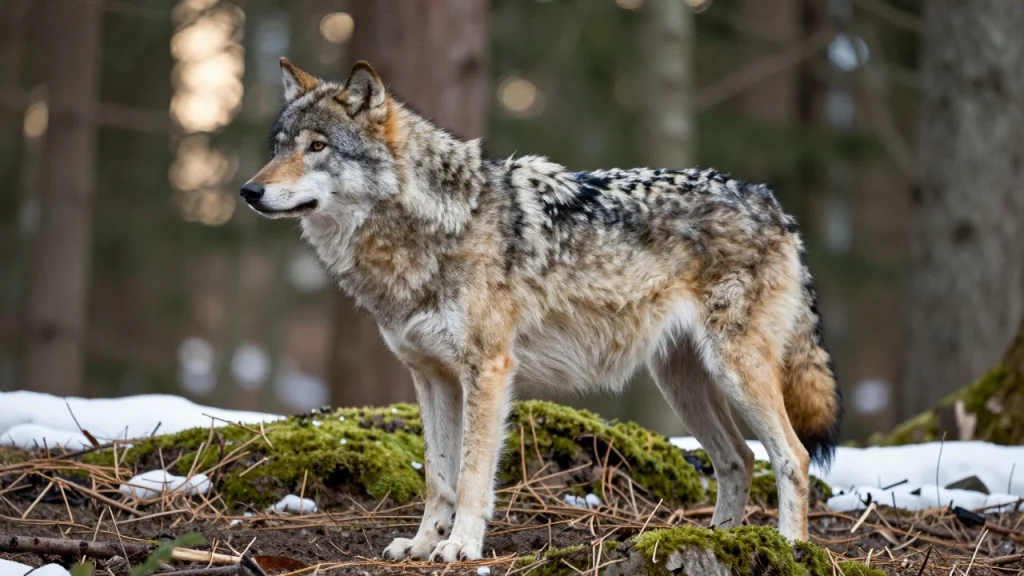
The gestation period of a wolf lasts between 60 and 63 days, or roughly two months. This relatively short pregnancy allows wild wolf populations to give birth during spring, when weather conditions are milder.
During this two-month timeframe, a female wolf undergoes significant physiological changes as she prepares to nurse and care for a litter. Understanding the specifics of wolf pregnancy sheds light on how pack dynamics, seasonal timing, and reproductive biology work together to support the survival of these wild canines.
The Timeline of Wolf Gestation
A female wolf, or she-wolf, experiences a gestation period remarkably similar to that of domestic dogs. After successful mating, which typically occurs between January and March depending on the region, the pregnancy progresses rapidly over roughly nine weeks.
Because wild environments present harsh seasonal shifts, this brief gestation window ensures that mothers do not remain encumbered by heavy pregnancies for extended periods.
How Pack Life Supports Pregnant Wolves
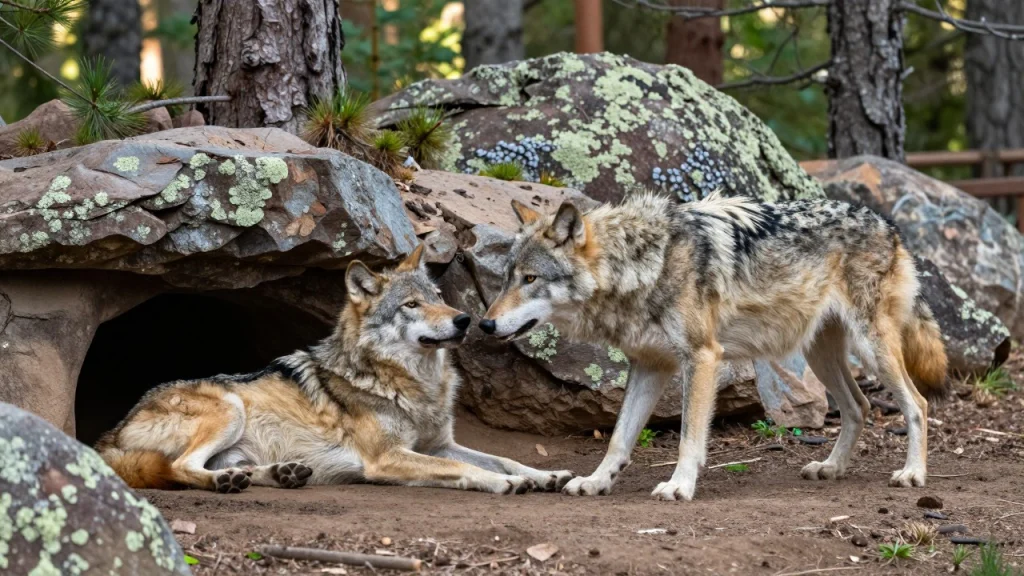
Wolf reproduction is deeply tied to the social structure of the pack. Wolves breed once a year; packs are usually monogamous, but about 25% of Yellowstone packs have multiple breeding pairs. Typically one female wolf in a pack has a litter each year, but in some packs more than one female may bring off a litter.
Throughout the 60 to 63 days of pregnancy, other pack members actively assist the pregnant female. Subordinate wolves help hunt, bring food directly to the mother, and patrol the surrounding territory to protect the den area from rival packs or dangerous predators.
This collective support lowers stress levels for the pregnant female, allowing her to save vital energy for nursing and raising the pups once they are born.
Den Preparation and Birth
As the end of the gestation period approaches, the female selects a protected denning site. Dens are typically established in natural caves, hollow logs, rock crevices, or holes excavated into hillsides and sandy banks.
Inside the den, the mother gives birth to a litter usually consisting of 4 to 6 pups, though litters can range from 1 to more than 10 depending on the mother’s health and food availability. At birth, wolf pups are blind, deaf, and entirely dependent on their mother for warmth and nourishment.
For the first three weeks following delivery, the mother stays almost exclusively with her pups in the den. Her pack mates continue to deliver food, regurgitating meat for her so she can remain close to her offspring during their most vulnerable stage of development.
Seasonal Timing and Pup Survival
The timing of wolf breeding and pregnancy is an evolutionary adaptation finely tuned to environmental conditions. By mating in late winter, Yellowstone wolves give birth to pups in April after a 63-day gestation.
Spring provides several survival advantages for newborn wolves:
- Warmer Temperatures: Newborn pups cannot regulate their own body temperature effectively, making mild spring weather critical for survival.
- Abundant Prey: Ungulates such as elk, deer, and moose give birth around the same time, making prey easier to hunt for adult wolves needing to feed growing pups.
- Growth Window: Spring birth gives pups time to grow, gain strength, and learn essential hunting skills before the onset of winter.
By keeping the gestation period short and tightly aligned with the changing seasons, wolves maximize the chances that their offspring will survive to adulthood and contribute to the pack.