Why do giraffes have purple tongues? Melanin makes the color
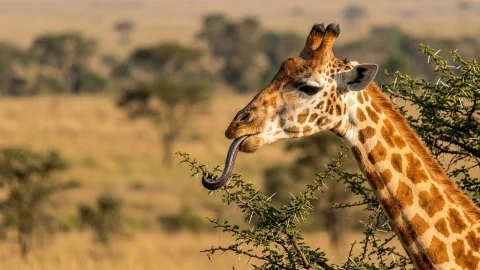
Melanin gives a giraffe’s tongue its purple, blue or black color, and the dark color is thought to protect giraffes from sunburn while they reach for leaves.

Curiosities, questions and fascinating facts
 Animals Editorial Team
Melanin gives a giraffe’s tongue its purple, blue or black color, and the dark color is thought to protect giraffes from sunburn while they reach for leaves.
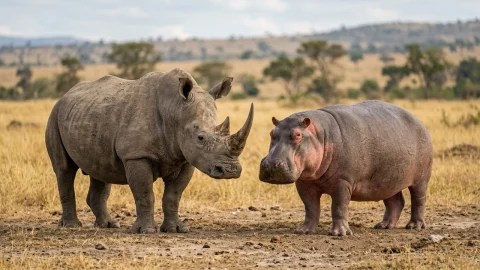
National Geographic ranks hippos third among land mammals, after elephants and white rhinos. See weights, lengths and heights for both animals.
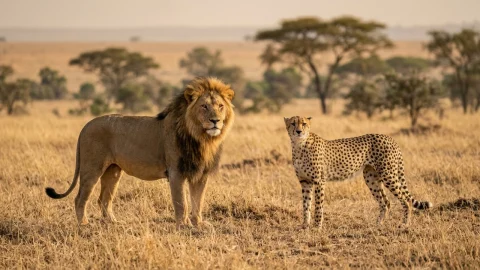
Lions often kill and/or compete with cheetahs (Animal Diversity Web). Of cheetah cubs, up to 70 percent succumb to lions and hyenas (San Diego Zoo).
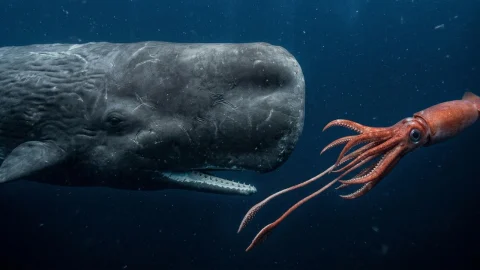
Animal Diversity Web says the sperm whale wins most of the time against a giant squid, and that the colossal squid may prey on or fight with the whale.
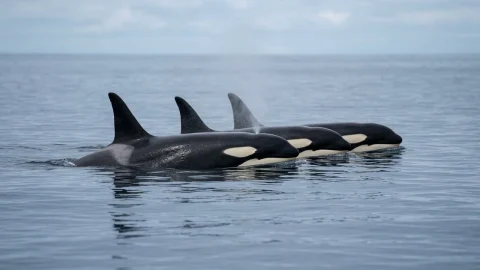
According to NOAA Fisheries, whales and dolphins rest just half their brain and keep the other half awake to breathe. SeaWorld describes how orcas rest.
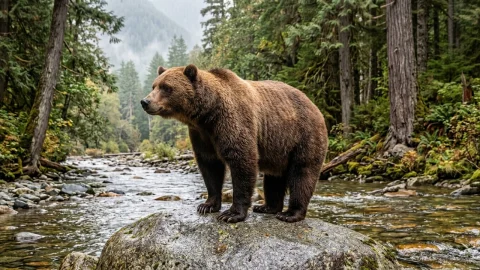
Bear lifespans vary by species: wild brown bears average about 20 years, wild black bears most often live about 10, and wild polar bears typically 15 to 18.

Giant pandas live about 15 to 20 years in the wild and about 30 in human care, by the Smithsonian’s National Zoo estimate. Other sources give different figures.
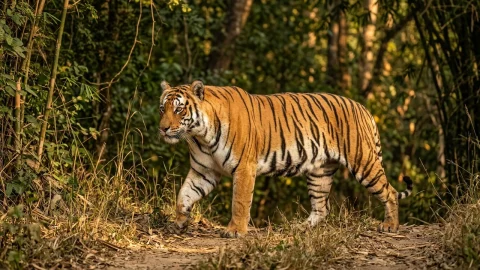
Estimates for wild tigers run 8 to 10 or 10 to 15 years. A typical captive lifespan is 16 to 18 years, and some tigers have lived to 26.
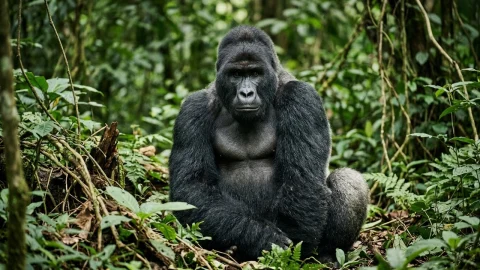
None of the zoo, wildlife or research sources behind this article gives a measured gorilla bite force. They describe skull crests, jaw muscles and teeth.
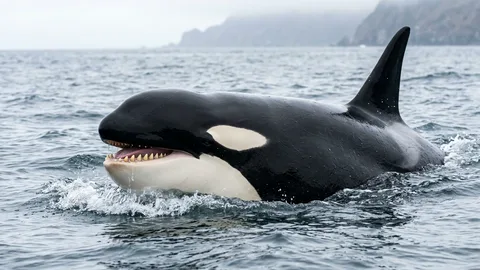
This article’s sources give no measured orca bite force. One thesis concludes the killer whale appears to lack an especially powerful bite for its skull size.