Skip to content
Animal Fact File

Animal Fact File

Curiosities, questions and fascinating facts

  • Animals
    • Big cats
      • Lion
      • Tiger
      • Cheetah
      • Leopard
      • Jaguar
    • Bears, pandas and wolves
      • Bear
      • Polar bear
      • Giant panda
      • Red panda
      • Wolf
    • Safari animals
      • Elephant
      • Hippo
      • Rhinoceros
      • Giraffe
      • Zebra
      • Gorilla
    • Ocean life
      • Orca
      • Blue whale
      • Sperm whale
      • Dolphin
      • Octopus
      • Jellyfish
      • Penguin
    • Backyard animals
      • Raccoon
      • Opossum
      • Squirrel
      • Bat
      • Coyote
    • Odd and unusual
      • Axolotl
      • Shoebill
      • Komodo dragon
      • Capybara
      • Honey badger
      • Platypus
    • All animals
  • Printables & tools
    • Axolotl coloring pages
    • Capybara coloring pages
    • Random animal generator
  • Topics
    • Physical Characteristics
    • Wild Habitats
    • Diet & Hunting
    • Natural Behaviors
    • Species & Conservation
    • Reproduction & Life Cycle
  • Español

Natural Behaviors

Why do rhinoceroses wallow in mud?
September 25, 2026September 24, 2026 by Animals Editorial Team
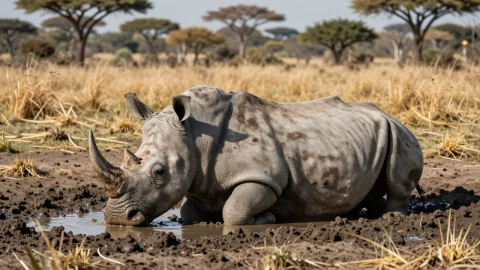
White rhino covered in wet mud wallowing peacefully near a sunlit pool in the African savanna.

Discover why rhinoceroses wallow in mud, from regulating body temperature and blocking sun rays to protecting their skin against insect bites and parasites.

Categories Natural Behaviors Tags Rhinoceros

How zebras sleep standing up without falling

October 11, 2026September 24, 2026 by Animals Editorial Team
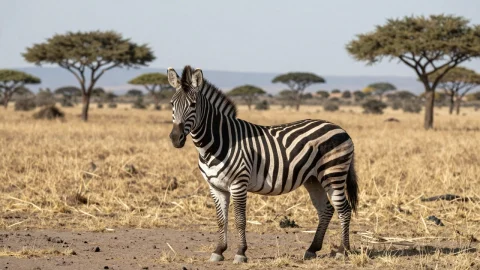
A zebra standing relaxed on an open savanna pasture, resting one hind hoof while keeping its legs locked in place.

Learn how zebras sleep standing up using their stay apparatus, why they rest upright to avoid predators, and when they lie down for deep REM sleep.
Categories Natural Behaviors Tags Zebra

Can leopards swim across rivers to stalk prey?

September 25, 2026September 24, 2026 by Animals Editorial Team
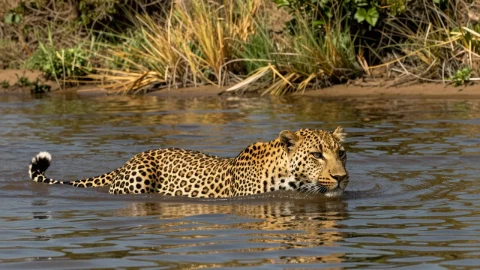
African leopard swimming across a wide river with only its head above water towards thick green brush.

Learn how leopards use rivers to stalk prey and patrol territory, and how muscular power and stealth help them swim across water when needed.
Categories Natural Behaviors Tags Leopard

Do Elephants Cry When They Are Sad? Understanding Elephant Grief

September 25, 2026September 24, 2026 by Animals Editorial Team
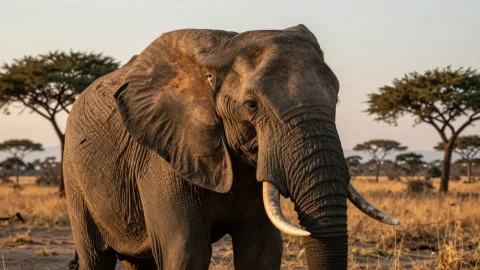
African elephant standing quietly on savannah grassland at sunset with clear dry eyes under warm light

Elephants do not shed emotional tears when sad, but they express grief through quiet vigils, gentle touching of bones, and low-frequency rumblings.
Categories Natural Behaviors Tags Elephant

Can a rhinoceros swim across deep water?

September 25, 2026September 24, 2026 by Animals Editorial Team
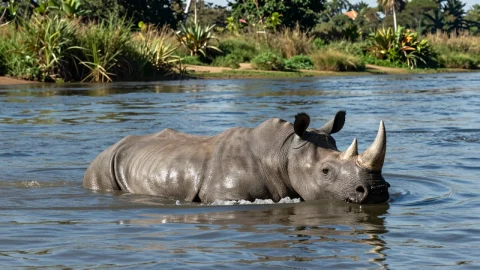
A Greater One-horned rhinoceros swimming effortlessly across a wide, deep tropical river in high afternoon sunlight.

Rhinoceroses can swim across deep water, though ability varies by species: Asian rhinos swim naturally across rivers, while African rhinos avoid deep water.
Categories Natural Behaviors Tags Rhinoceros

How many hours a day do lions sleep in the wild

September 25, 2026September 24, 2026 by Animals Editorial Team
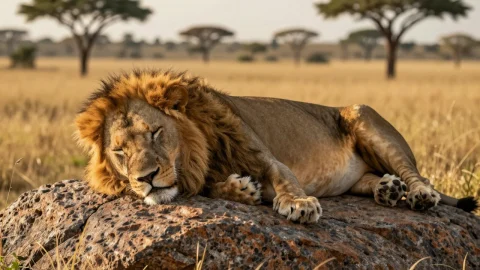
A male African lion with a dark golden mane sleeping peacefully on a sun-dappled rock outcrop on the savanna.

Discover how many hours a day lions sleep in the wild, why they rest up to 20 hours daily, and how males and females divide their sleeping habits.
Categories Natural Behaviors Tags Lion

Can hippopotamuses swim? How hippos move in water

October 5, 2026September 23, 2026 by Animals Editorial Team
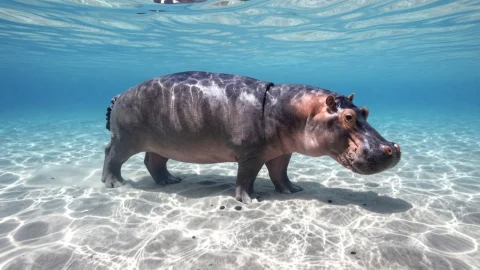
Hippo walking along a clear riverbed underwater in bright sunlight

Discover why hippopotamuses cannot swim and how their dense bodies run, walk, and bounce along riverbeds while navigating aquatic environments.
Categories Natural Behaviors Tags Hippopotamus

Why zebras cannot be domesticated or ridden like horses

October 6, 2026September 23, 2026 by Animals Editorial Team
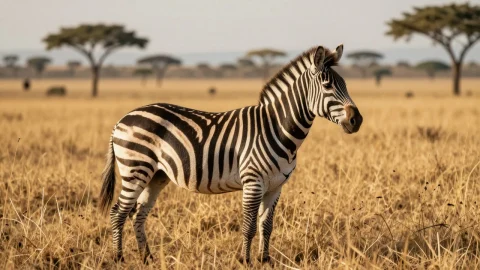
Wild zebra standing alert on the African savannah displaying strong body structure and protective black and white stripes.

Discover why zebras cannot be domesticated or ridden like horses, exploring their intense defense mechanisms, back structure, and wild survival instincts.
Categories Natural Behaviors Tags Zebra

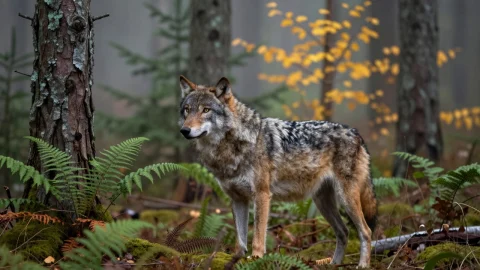
Are wolves dangerous to humans? Real risks and safety facts

September 25, 2026September 23, 2026 by Animals Editorial Team
Wild gray wolf standing cautiously in a misty pine forest evaluating its surroundings from a distance.

Learn about wild wolf behavior, human safety facts, and why wolf attacks are extremely rare. Discover practical tips for safe encounters in wolf habitat.
Categories Natural Behaviors Tags Wolf

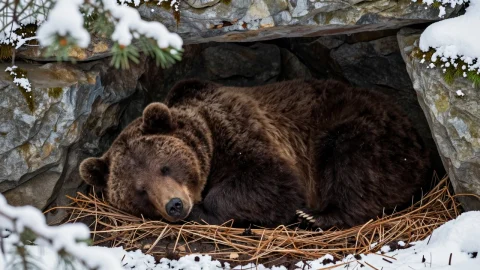
Do bears hibernate in the winter? How bear dormancy works

September 25, 2026September 23, 2026 by Animals Editorial Team
A grizzly bear resting inside a cozy, snow-dusted rock cave den during winter dormancy.

Bears undergo winter dormancy known as torpor, lowering their heart and metabolic rates while staying capable of waking up to survive cold months.

Categories Natural Behaviors Tags Bear
Older posts
Newer posts
← Previous Page1 … Page6 Page7 Page8 Next →

Browse animals

Big cats
  • Lion
  • Tiger
  • Cheetah
  • Leopard
  • Jaguar
  • All big cats
Bears, pandas and wolves
  • Bear
  • Polar bear
  • Giant panda
  • Red panda
  • Wolf
  • All bears, pandas and wolves
Safari animals
  • Elephant
  • Hippo
  • Rhinoceros
  • Giraffe
  • Zebra
  • Gorilla
  • All safari animals
Ocean life
  • Orca
  • Blue whale
  • Sperm whale
  • Dolphin
  • Octopus
  • Jellyfish
  • Penguin
  • All ocean life
Backyard animals
  • Raccoon
  • Opossum
  • Squirrel
  • Bat
  • Coyote
  • All backyard animals
Odd and unusual
  • Axolotl
  • Shoebill
  • Komodo dragon
  • Capybara
  • Honey badger
  • Platypus
  • All odd and unusual

Recent articles

  • Are platypuses poisonous? Male spurs, venom and pain symptoms
  • Is a platypus a mammal? Egg laying, milk and venomous spurs
  • Do platypuses glow in the dark? UV glow, colours and camouflage
  • Do platypuses sweat milk? Mammary patches and nursing
  • Why do octopuses have three hearts? Gill and systemic flow

Animals

  • Big cats
  • Bears, pandas and wolves
  • Safari animals
  • Ocean life
  • Backyard animals
  • Odd and unusual

Printables & tools

  • Axolotl coloring pages
  • Capybara coloring pages
  • Random animal generator
© 2026 Animal Fact File ·
  • About
  • Editorial policy & AI disclosure
  • Privacy policy
  • Cookies policy
  • Contact
  • Español