
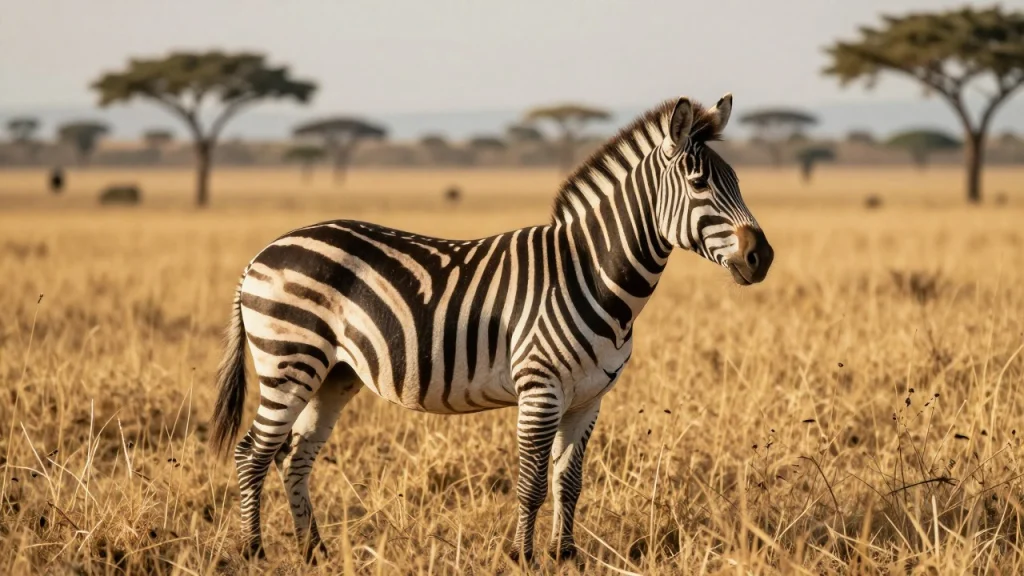
Despite their physical resemblance to horses and donkeys, zebras cannot be easily domesticated or reliably ridden like horses. While both belong to the Equidae family, thousands of years of evolution in predator-dense African savannahs have equipped zebras with a fiercely defensive, unpredictable temperament that makes true domestication nearly impossible.
Throughout history, human attempts to tame zebras for riding, agriculture, or transport have consistently failed on a species level. Their strong survival instincts, powerful fight-or-flight response, and anatomical differences make them unsuitable candidates for livestock or riding animals compared to their domestic relatives.
Why Zebras Resisted Domestication
Domestication is a selective evolutionary process taking thousands of years, requiring a species to possess specific social and behavioral traits. While early humans successfully domesticated wild horses (Equus ferus) and wild asses, zebras (Equus quagga, Equus zebra, and Equus grevyi) lacked the key traits necessary for human partnership.
- High aggressive response: Evolution alongside apex predators like lions, hyenas, and leopards made zebras naturally hyper-vigilant and aggressive.
- Unpredictable temperament: Zebras bite, kick or strike with extreme power and accuracy; a zebra’s kick can seriously injure a predator such as a lion, a hyena or an African wild dog.
- No inherent willingness to yield: Zebras do not naturally submit to dominance or confinement in the way early wild horses did.
Because these survival behaviors are deeply ingrained in zebra genetics, taming an individual zebra does not make its offspring domestic. True domestication requires genetic adaptation over many generations.
Can You Ride a Zebra?
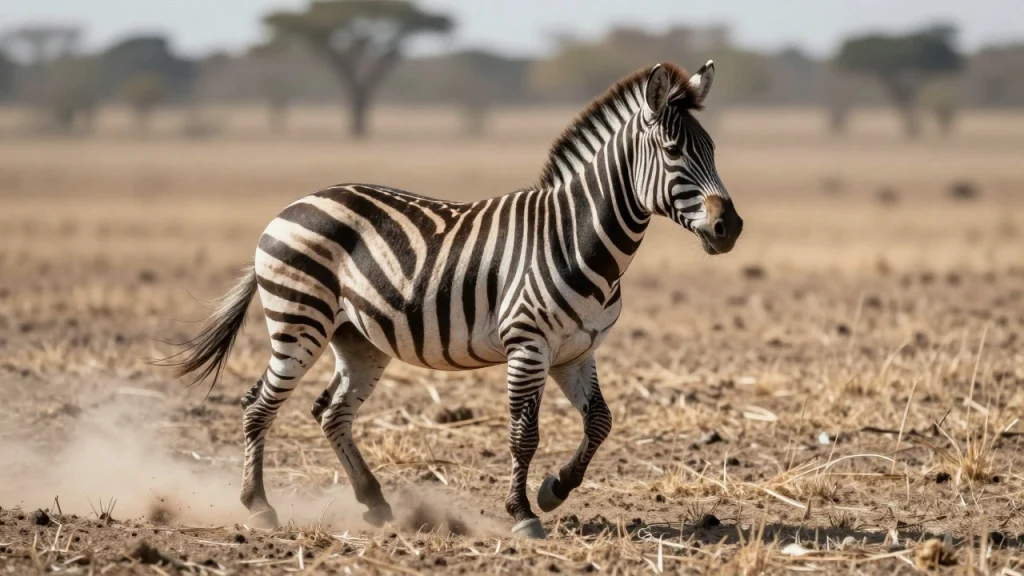
While isolated individuals have managed to train single zebras to accept a saddle or pull a carriage, zebras cannot be ridden safely or reliably like horses. Riding a zebra presents significant practical and physical challenges.
Anatomical Suitability and Back Strength
Zebras stand 4.2 to 5 feet tall and weigh 480 to 990 pounds, with Grevy’s zebras the largest at 770 to 990 pounds. Placing heavy saddles and riders on a zebra can cause structural stress, discomfort, and spinal injury to the animal.
Unpredictable Fight-or-Flight Reflexes
A horse’s instinct when startled is usually to flee in a straight line, which a trained rider can often control. A zebra’s survival instinct is far more aggressive and erratic. When threatened, a zebra will actively duck, weave, buck violent twists, or immediately attack the perceived source of threat, making them extremely dangerous to mount.
Historical Attempts to Train Zebras
During the 19th and early 20th centuries, European colonists in Africa attempted to harness zebras for transportation. Domestic horses brought to the continent frequently succumbed to sleeping sickness transmitted by the tsetse fly. Zebras are immune to the bite of the tsetse fly.
Notable figures, such as Walter Rothschild in Victorian England, successfully trained zebras to pull carriages through London to prove it was technically possible. However, this effort remained an isolated novelty. The animals proved too stubborn, difficult to handle in groups, and prone to panic as they aged, ultimately leading to the abandonment of large-scale zebra breeding programs.
Evolutionary Differences Between Zebras and Horses
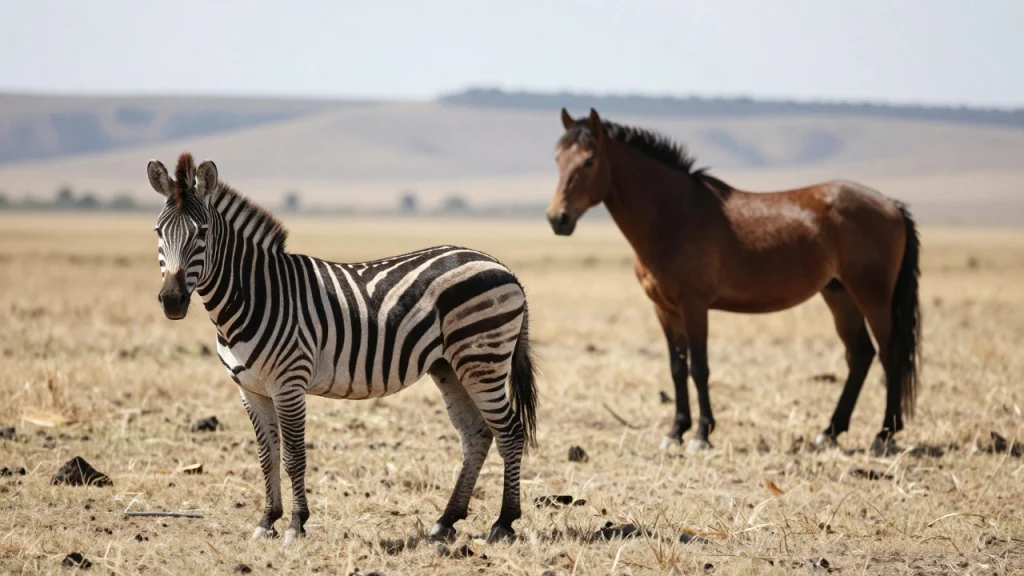
Though zebras, horses, and donkeys share a common ancestor, their evolutionary paths diverged millions of years ago. Understanding these differences highlights why horses became human companions while zebras remained wild.
| Trait | Domestic Horse (Equus caballus) | Zebra (Equus spp.) |
|---|---|---|
| Habitat Evolution | Eurasian steppes | African savannahs |
| Predator Environment | Wolves, bears | Lions, leopards, hyenas, crocodiles |
| Behavioral Adaptation | Flight response, trainable obedience | Aggressive defense, permanent alertness |
| Domestication Status | Fully domesticated (~6,000 years ago) | Wild, non-domesticated |
The open African plains forced zebras to develop intense alertness and quick, decisive self-defense mechanisms. These same traits made them resistant to human handling and captivity.
Preserving the Wild Nature of Zebras
Attempts to force wild mammals into domestic roles often overlook the natural instincts that allow them to thrive in native habitats. Zebras are uniquely adapted to survive in diverse African ecosystems, relying on their agility, group vigilance, and defensive power to withstand heavy predator pressure.
Recognizing why zebras cannot be domesticated highlights the unique evolutionary history of wild equines. Rather than serving as beasts of burden, zebras remain a vital symbol of wild, untamed savannah ecosystems.
Sources
- Animal Diversity Web: Equus (asses, horses, and zebras) | INFORMATION
- San Diego Zoo Wildlife Alliance: Zebra | San Diego Zoo Animals & Plants
- PLOS ONE: Mitochondrial Phylogenomics of Modern and Ancient Equids
- University of Edinburgh: New Strides, Old Stripes: Zebras and the tsetse fly | Towards Dolly
- Natural History Museum, London: Walter Rothschild: A curious life