Why aren’t the biggest animals the fastest runners?
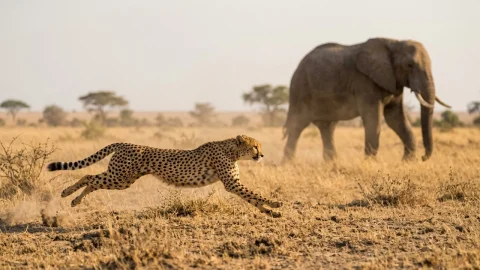
Maximum running speed rises with body mass to a critical mass, then falls; an elephant tops out at about 7 m/s, a cheetah at 70 mph.

Curiosities, questions and fascinating facts
Maximum running speed rises with body mass to a critical mass, then falls; an elephant tops out at about 7 m/s, a cheetah at 70 mph.
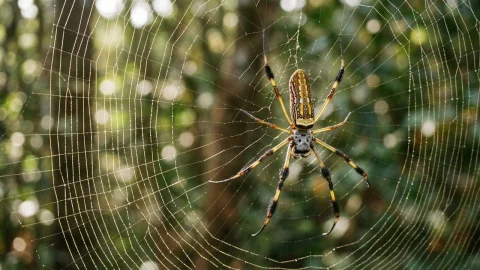
Spider silk is not stronger than steel: one variety measures just above 1 GPa, while steel covers 0.2 GPa to nearly 2 GPa. Per weight, silk does come out ahead.
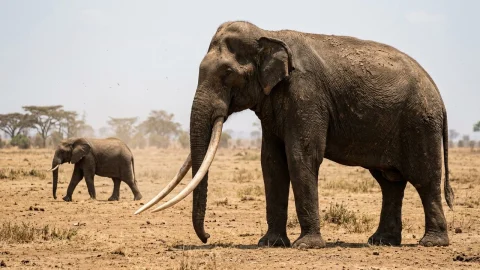
The largest land mammal ever lived seems to sit within Proboscidea. Mammut borsoni and Palaeoloxodon namadicus passed the biggest indricotheres.
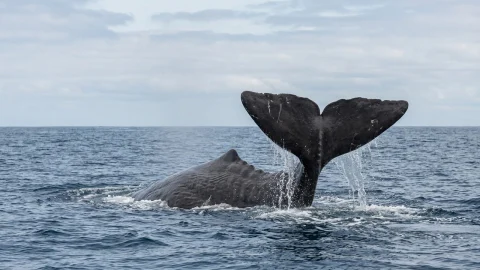
In a PeerJ dataset, the longest measured sperm whale reached 24 m, while Guinness Records reported a 20.7 m Kuril Islands individual as the largest known.
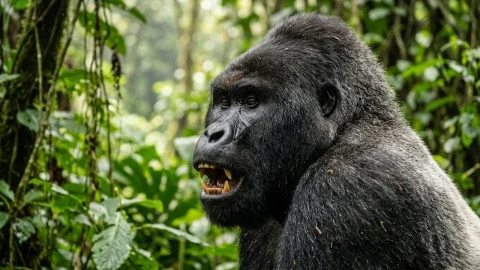
Gorillas have large canine teeth set in heavy jaws. The bony skull crests anchor the muscles that work them, and big males gain power in the group.
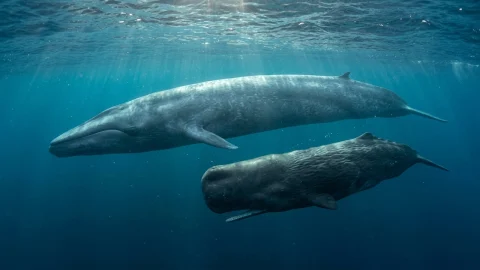
The blue whale is the largest animal on Earth and the sperm whale the largest of the toothed whales, with size, weight and speed on record for both.
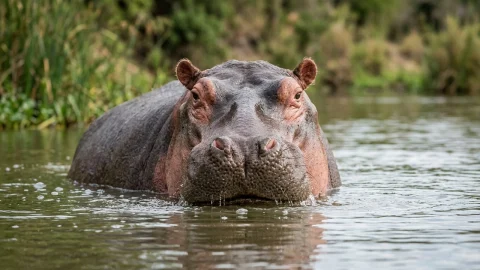
Hippo females average 3,000 pounds and males run 3,500 to 9,920, against Yellowstone grizzly averages of 413 lb for adult males and 269 lb for adult females.
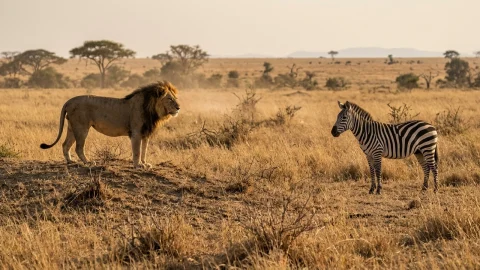
The San Diego Zoo Wildlife Alliance says a zebra’s kick can seriously injure a lion; the Smithsonian’s National Zoo calls lions compact and powerfully built.
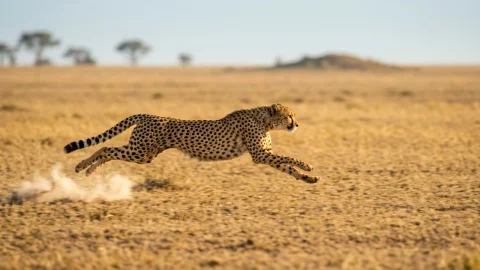
No land mammal surpasses cheetahs in short sprints, and a cheetah’s top speed averages 60 to 70 mph. The pronghorn tops out near 55 mph.
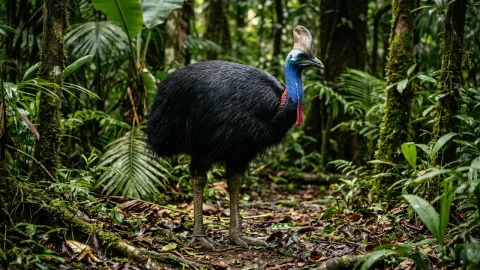
A female southern cassowary reaches about 167 pounds, while a shoebill weighs up to 16 pounds, and males of that cassowary top out at 121 pounds.