
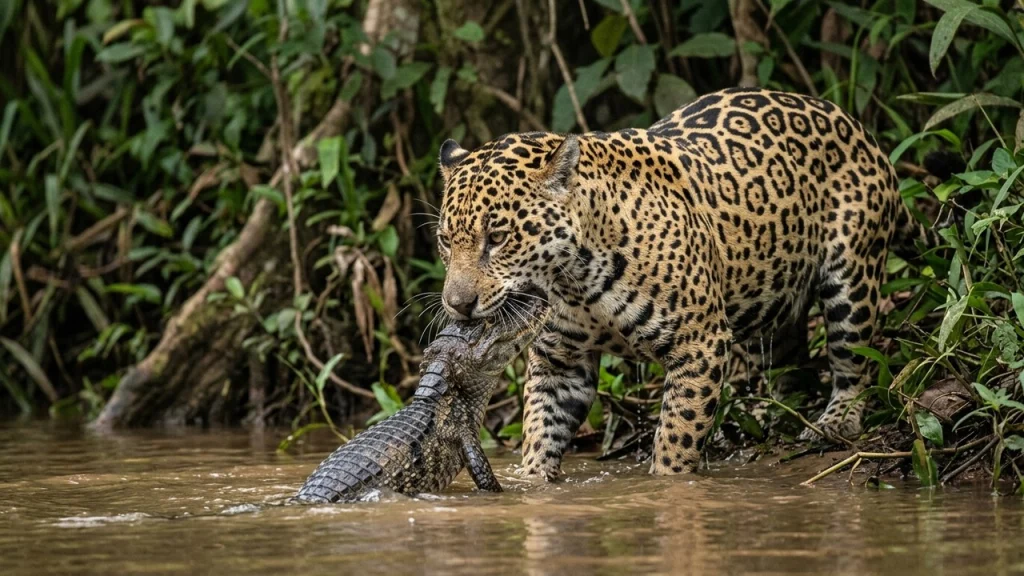
Reid Park Zoo puts a jaguar’s bite force at around 1,500 pounds per square inch (PSI) and says that is about double a tiger’s. This is a stated figure, and no measured jaguar bite force is reported in this article.
WWF-UK says jaguars can bite through the skull of a crocodile or the shell of a turtle. It adds that taking down prey three to four times their own weight takes powerful teeth and jaws, and that a jaguar usually kills with a bite to the back of the skull, whereas other big cats bite the neck or throat.
Jaw muscles and build
Animal Diversity Web describes the jaguar (Panthera onca) as powerfully built, with large, square jaws and prominent cheeks. WWF-UK adds that jaguars have larger, rounded heads and short legs. Reid Park Zoo credits them with the strongest jaw muscles of all the big cats.
How big a jaguar is
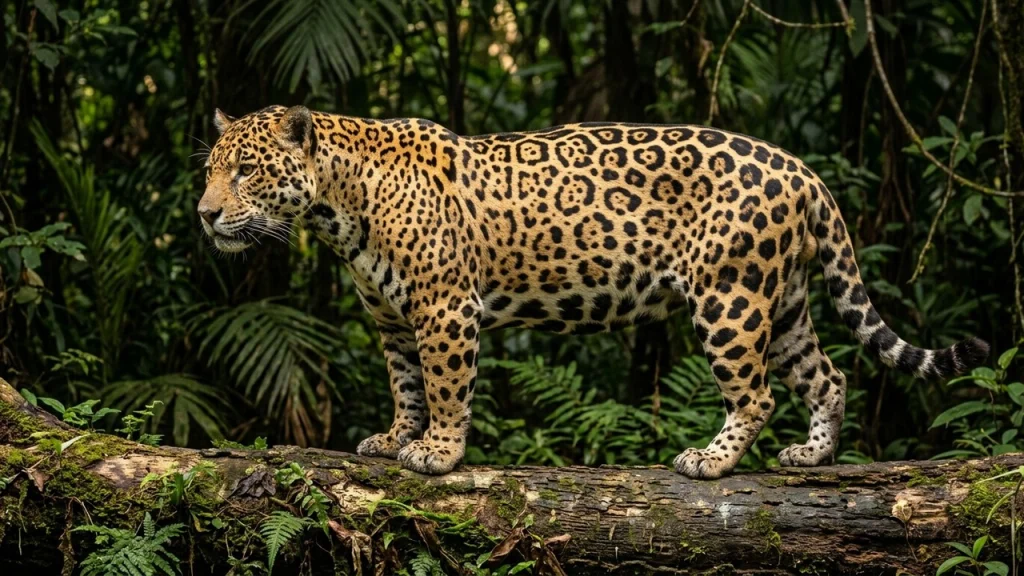
The jaguar ranks third among the world’s biggest cats, behind the tiger and the lion, and is the biggest cat in the Americas, according to WWF-UK. Animal Diversity Web gives a body length of 150 to 180 cm, a tail of 70 to 90 cm and a weight of 68 to 136 kilograms.
WWF-UK points out that some jaguar rosettes have black dots in the middle, while leopard rosettes do not.
How jaguars hunt and live
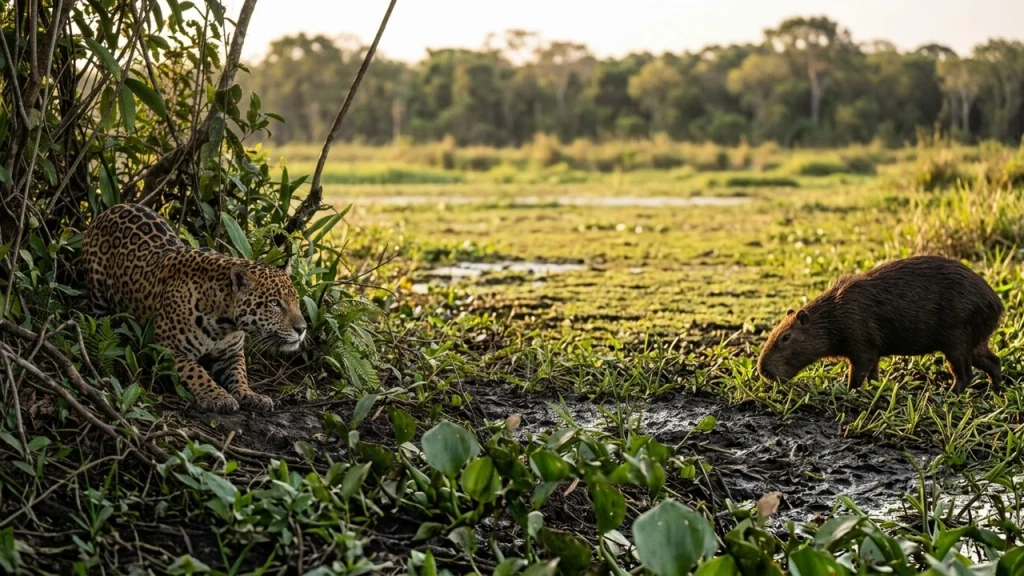
The San Diego Zoo Wildlife Alliance lists more than 85 prey species, among them peccaries, deer, tapirs, cattle and capybaras. Jaguars stalk and ambush ground-dwelling prey at night rather than chasing it as cheetahs and lions do. Animal Diversity Web adds that they stalk on the ground, preferring thick vegetation for cover, and can also climb trees for safety or to hunt.
Unlike many domestic cats, jaguars do not avoid water, and WWF-UK calls them confident swimmers, known to cross large rivers. National Geographic says they live alone and are territorial. Along with lions, tigers and leopards, jaguars are the only big cats that can roar, according to the San Diego Zoo Wildlife Alliance.
Habitat, lifespan and conservation status
WWF-UK says jaguars can be found in habitats from lowland tropical moist forests and cloud forests to mangrove swamps, grasslands and wetlands. In the wild, they can live 11 to 12 years, according to Animal Diversity Web, and in captivity they may live over 20 years.
National Geographic says jaguars have lost more than half their territory since the 1880s and that their main stronghold today is the Amazon Basin. WWF-UK estimates that around 173,000 jaguars remain and lists them as near threatened on the IUCN Red list.
Sources
- Reid Park Zoo: Jaguar Jaw Muscles: Reid Park Zoo
- WWF-UK: Jaguar | WWF
- WWF-UK: Here are our top 10 facts about Jaguars | WWF
- Animal Diversity Web: Panthera onca (jaguar) | INFORMATION | Animal Diversity Web
- San Diego Zoo Wildlife Alliance: Jaguar | San Diego Zoo Animals & Plants
- National Geographic: Jaguar | National Geographic