
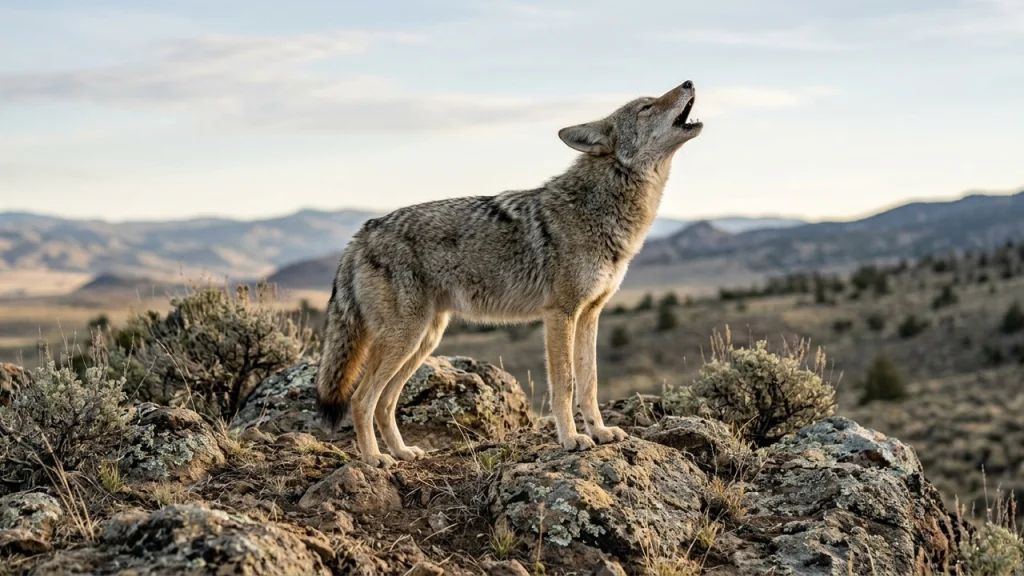
Penn State University identifies one reason coyotes howl: gathering the family group back together following solitary hunting. Animal Diversity Web states that howling can also serve to notify neighboring packs of territory locations. Furthermore, the Alaska Department of Fish and Game notes reports indicating that the vocalizations of two or three coyotes often create the impression that a dozen or more animals are participating.
The university describes a howl as opening with several high-pitched yips that merge into chattering calls. The department observes that their standard vocal routine consists of an extended, mournful high howl ending in rapid yips and yaps. None of the Penn State University, Animal Diversity Web, National Park Service, Alaska Department of Fish and Game or Royal Society sources behind this article addresses the time of day coyotes are most likely to howl.
Territorial signaling and boundary defense
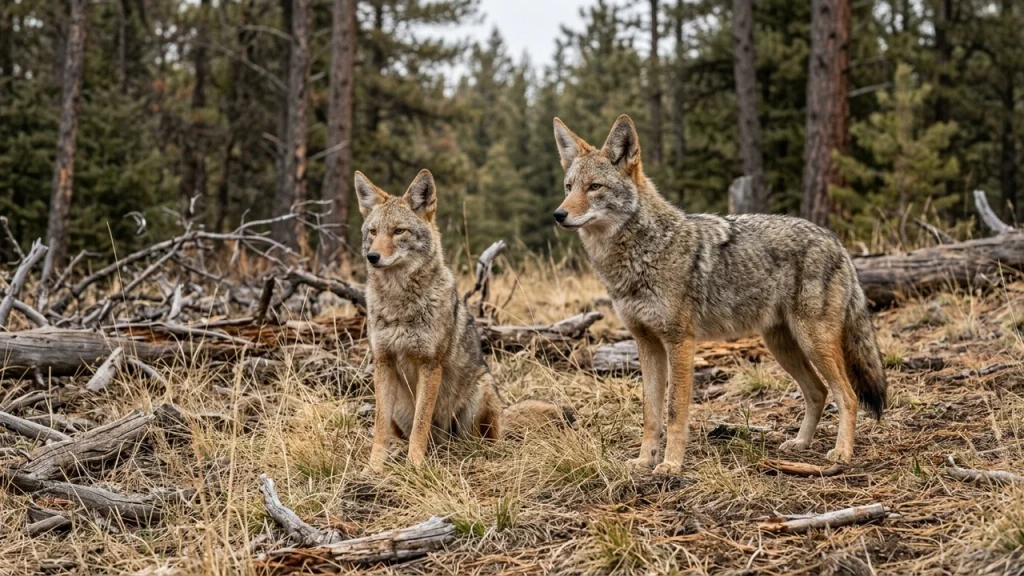
Audible signals function as defensive markers that dissuade adjacent packs from crossing border lines.
Family unit structure and social reunions
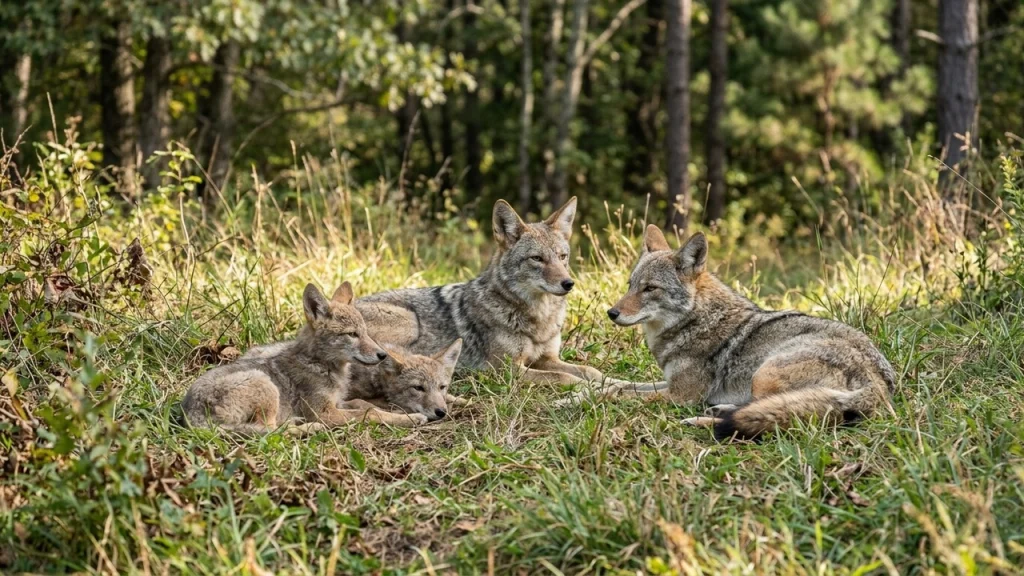
Gary San Julian, Penn State professor of wildlife resources, indicates that howling serves as a fundamental communicative action. The primary social foundation consists of a mated adult pair accompanied by grown young that have not departed to establish solo ranges. The university notes that a representative family assemblage can contain four of five individuals. Animal Diversity Web adds that vocalizations also occur whenever two or more pack companions rejoin one another, allowing animals to signal their positions.
Vocal repertoire and acoustic illusions
Animal Diversity Web characterizes the coyote as the most vocal wild mammal native to North America, recording 3 distinct calls: the squeak, distress call, and howl call. The Alaska Department of Fish and Game notes that the species occasionally receives the title of “song dog.” The National Park Service records around a dozen distinct sound variations in their vocal repertoire, observing that listeners commonly mistake several calling coyotes for a much larger group.
Hunting coordination and quiet pursuit
When seeking smaller mammals, coyotes achieve their highest success by hunting on their own, according to the Alaska Department of Fish and Game. Penn State University explains that individuals also join forces to capture larger targets, such as deer. A study published by The Royal Society found that scent cues without vocal sounds heightened reactivity in prey animals, likely because the predators rarely vocalize during a hunt.
Sources
- Penn State University: Probing Question: Why do coyotes howl? | Penn State University
- Animal Diversity Web: Canis latrans (coyote)
- National Park Service: Coyote – Death Valley National Park (U.S. National Park Service)
- Alaska Department of Fish and Game: Coyote (Canis latrans) Species Profile, Alaska Department of Fish and Game
- The Royal Society: Sensory integration of danger and safety cues may explain the fear of a quiet coyote