Why do opossums play dead and how it helps them survive
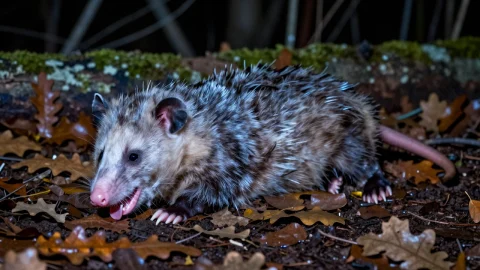
Opossums play dead through an involuntary reflex called tonic immobility, releasing foul odors and mimicking decay to deter predators and survive attacks.

Curiosities, questions and fascinating facts
 Animals Editorial Team
Opossums play dead through an involuntary reflex called tonic immobility, releasing foul odors and mimicking decay to deter predators and survive attacks.
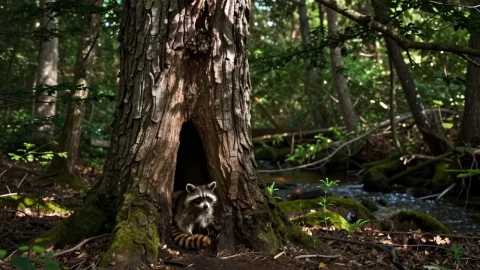
Raccoons spend daylight hours inside tree cavities, rock crevices, burrows, attics, and chimneys, resting safely until nightfall before resuming nightly foraging.

Red pandas eat mostly bamboo leaves and shoots in the wild, supplemented by fruits, insects, and small prey, while captive animals receive bamboo, biscuits, and produce.
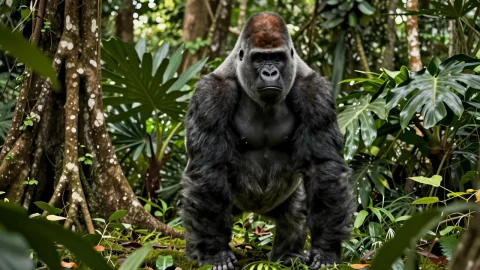
Gorillas are among the most powerful primates on Earth. Learn how their anatomy, jaw force, arm length, and skeletal build make silverbacks extraordinarily strong.
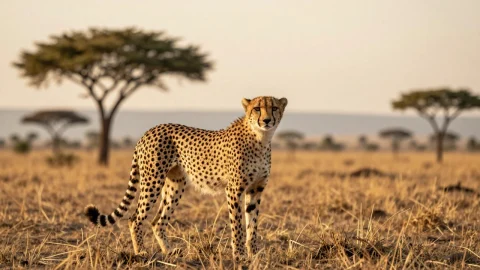
Cheetahs have one heart with four chambers. Learn how this single organ, enlarged lungs, and elastic skeleton power the fastest land mammal on Earth.

Polar bears look white because their transparent, hollow fur scatters light, while black skin beneath absorbs solar heat for warmth and camouflage on Arctic ice.
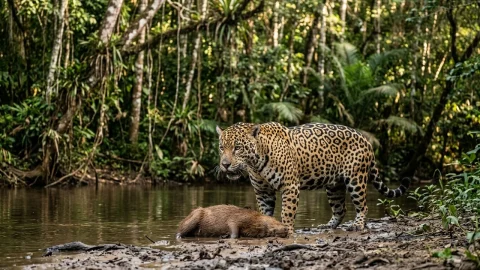
Jaguars eat over 85 species, from capybaras and caimans to armadillos and peccaries, killing prey with a powerful skull-crushing bite.
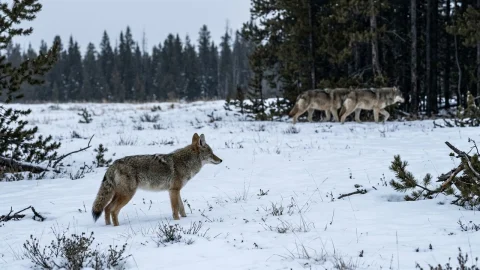
Coyotes fear wolves, mountain lions, and people above all else. Learn how predator pressure, human activity, and habitat shape coyote wariness and survival behavior.
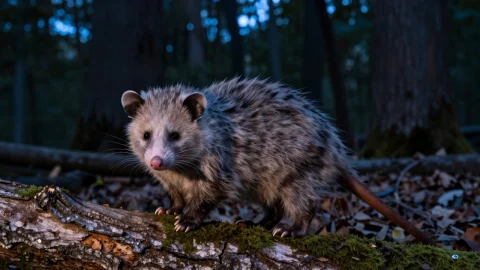
Virginia opossums live just 1.5 to 2 years in the wild, but reach 3 to 4 years in captivity. Learn what drives that gap and why it is enough.
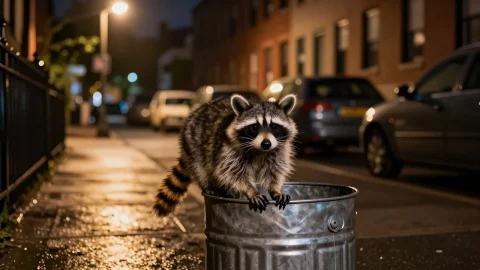
Wild raccoons average 2 to 3 years because most die young from vehicles, hunting, and winter starvation, not from aging or predators.