Why do raccoons wash their food? It is touch, not hygiene
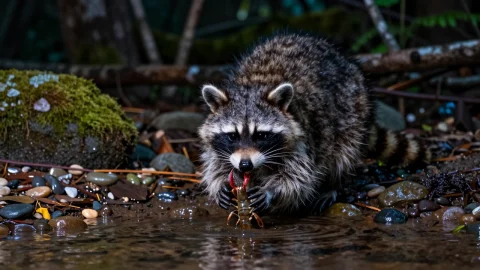
Raccoons dunk food in water to sharpen their sense of touch, not to clean it. The behavior is called dousing, and their scientific name as washer is a centuries-old mistake.

Curiosities, questions and fascinating facts
 Animals Editorial Team
Raccoons dunk food in water to sharpen their sense of touch, not to clean it. The behavior is called dousing, and their scientific name as washer is a centuries-old mistake.
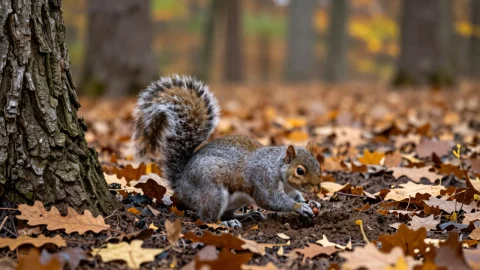
Eastern gray squirrels use spatial memory and smell to recover buried nuts, organizing caches by seed type and using deceptive tactics to outwit rivals.
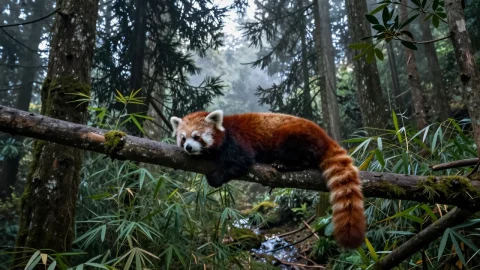
Red pandas live in Himalayan mountain forests from Nepal to southwestern China, between 2,500 and 4,000 m, where cold temperatures, closed canopy, and bamboo understory overlap.
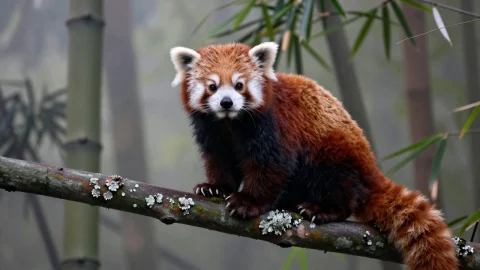
No, the red panda is not a bear. DNA places Ailurus fulgens in its own family, Ailuridae, closer to raccoons, skunks, and weasels than to any bear.
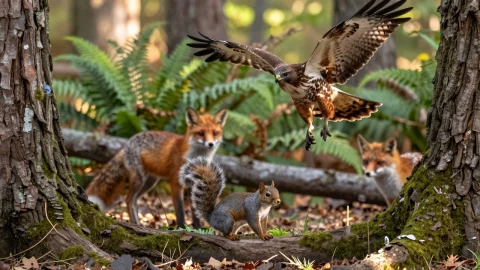
A squirrel’s biggest enemies vary by habitat: pine martens and raptors in forests, grizzly bears on tundra, and cats and cars in cities.
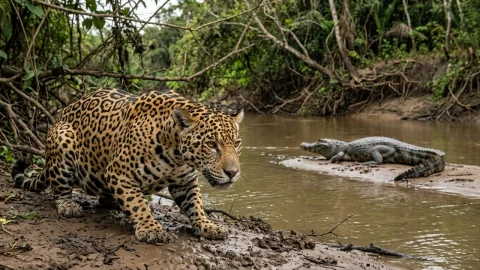
Jaguars do eat crocodilians, mainly caimans, using a skull-piercing bite no other American cat can match. Fully grown crocodiles are simply too heavy to hunt.
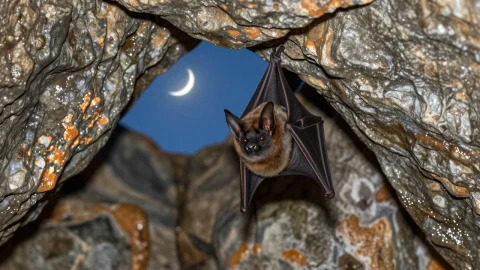
No bat species is truly blind. All bats have working eyes adapted to low light, and most combine vision with echolocation to hunt and navigate at night.
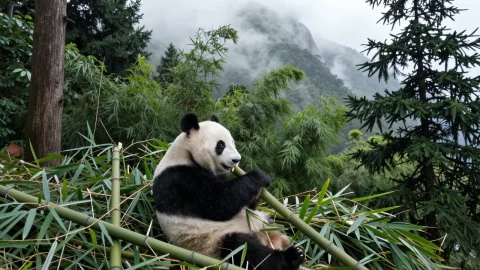
Giant pandas live only in the mountain bamboo forests of Sichuan, Shaanxi and Gansu in China, across roughly 33 fragmented populations totaling about 1,864 wild individuals.
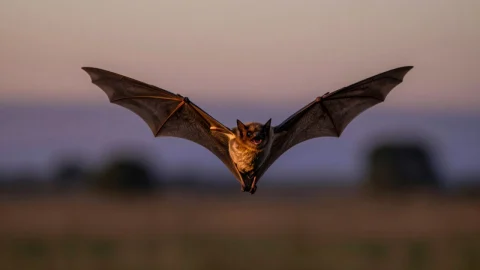
Bats are beneficial outdoors as insect hunters, pollinators, and seed dispersers, but indoor roosts bring guano hazards and rabies risks that require careful management.
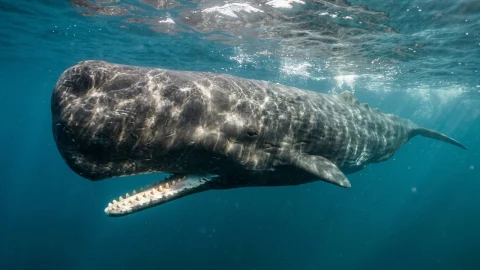
Yes, sperm whales have teeth, but only in the lower jaw. Learn how these conical ivory teeth work, what sperm whales eat, and their cultural history.