What do polar bears eat? Seals, blubber and more
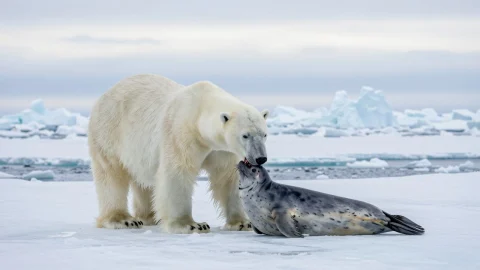
Polar bears eat mostly ringed seal blubber, which fuels them for days. Learn what else they hunt, how they do it, and what they eat when the ice disappears.

Curiosities, questions and fascinating facts
 Animals Editorial Team
Polar bears eat mostly ringed seal blubber, which fuels them for days. Learn what else they hunt, how they do it, and what they eat when the ice disappears.
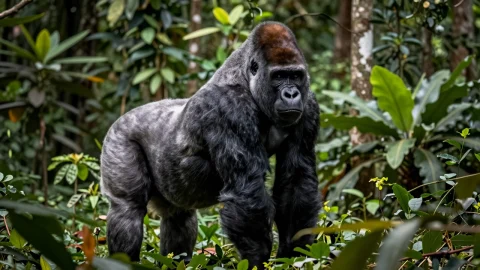
A silverback gorilla is a mature male troop leader identified by the pale grey saddle on his back, responsible for defense, breeding, and daily decisions for up to 30 gorillas.
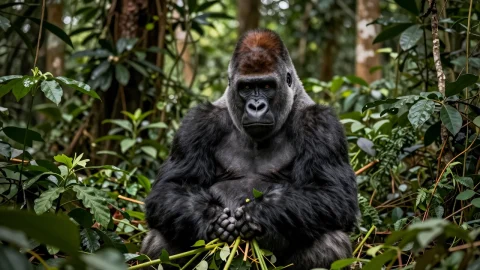
Gorillas grow massive on a plant-based diet thanks to enormous daily food intake, fiber-fermenting gut bacteria, and a digestive system built to extract maximum nutrition from leaves and fruit.

Giant pandas have 40 to 42 teeth, matching the standard bear dental formula, with enlarged premolars, guiding incisors, and broad molars adapted for processing fibrous bamboo.
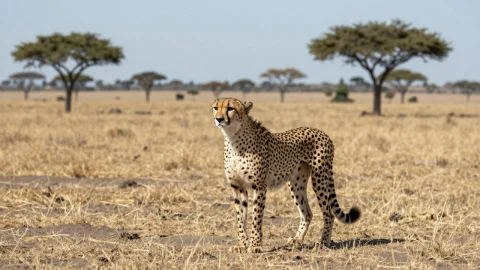
Wild cheetahs live mainly in eastern and southern Africa, with strongholds in Kenya, Tanzania, Namibia and Botswana, plus a small remnant population in Iran.
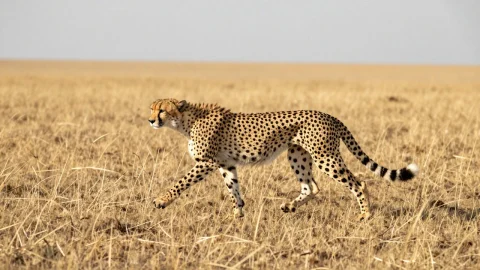
Cheetahs reach 60 to 70 mph and hit 45 mph in 2.5 seconds. Discover the anatomy, hunting strategy, and conservation status behind that speed.
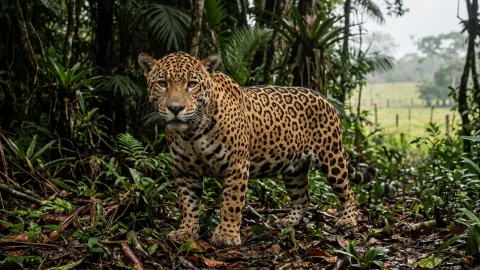
No wild animal reliably hunts adult jaguars. Their only confirmed predator is humans, through habitat loss, persecution, and illegal trade.
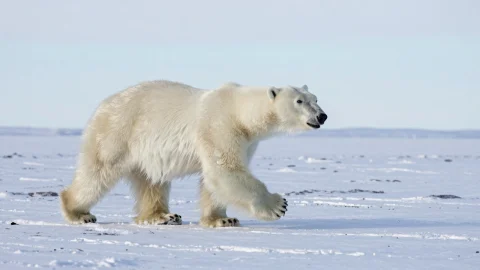
A polar bear’s land sprint ends quickly due to overheating and high energy cost. Learn how far they actually chase, how they hunt, and how to stay safe.

Giant pandas eat about 13 to 15 kg of bamboo daily in the wild, spending up to 16 hours foraging because their carnivore gut absorbs only 17% of nutrients.

The giant panda’s scientific name is Ailuropoda melanoleuca. The red panda, Ailurus fulgens, held the common name first, described 48 years earlier.