How many red pandas are left? Wild population and status
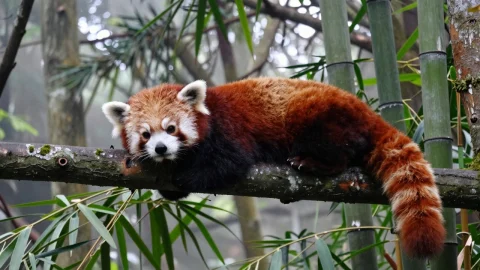
Fewer than 10,000 red pandas survive in the wild across five countries, with the species listed as Endangered and populations still declining.

Curiosities, questions and fascinating facts
 Animals Editorial Team
Fewer than 10,000 red pandas survive in the wild across five countries, with the species listed as Endangered and populations still declining.
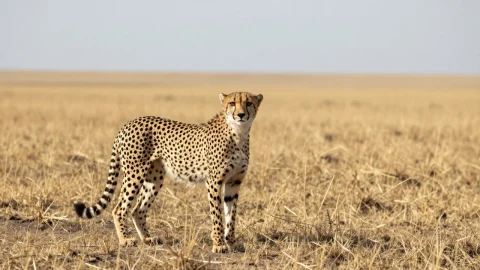
Cheetahs are not built for vertical leaping. Learn how their anatomy prioritizes horizontal sprinting over jumping, and what containment fencing heights wildlife facilities use.
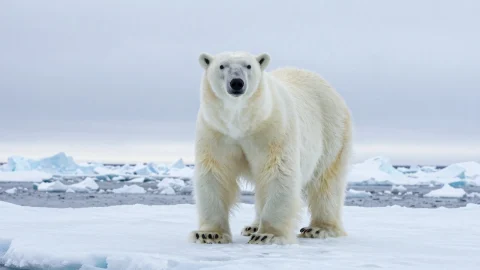
Polar bears are apex Arctic predators that rarely attack humans, but nutritional stress and climate change are increasing dangerous encounters near coastal communities.
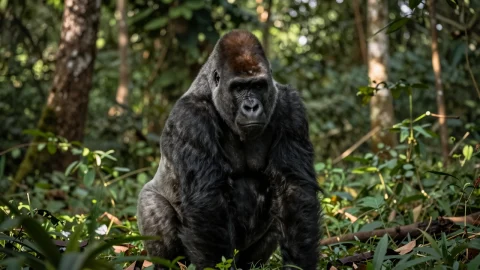
Gorillas do not outscore humans on intelligence tests. Research shows they excel at patience and some symbolic communication, but have smaller brains with fewer neurons.
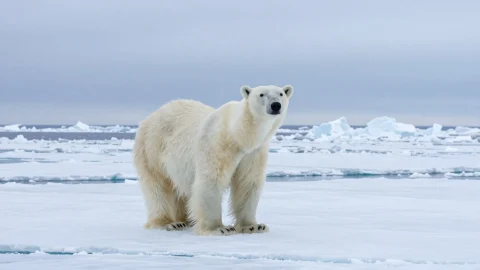
Polar bears live across the Arctic, spanning Canada, Russia, Norway, Greenland, and Alaska, always tied to sea ice for hunting seals year-round.
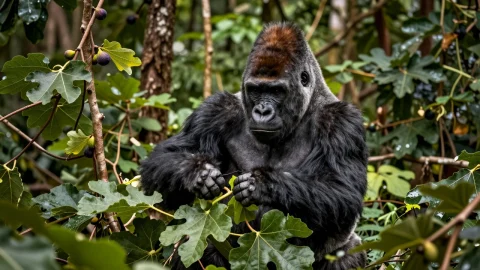
Gorillas eat mostly leaves, stems, bark, and fruit. Diet varies by subspecies and season, with mountain gorillas relying on foliage and lowland gorillas eating more fruit.
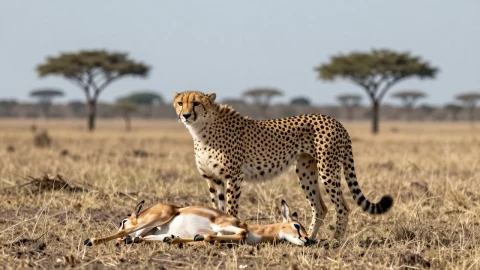
Cheetahs eat antelope and other hooved mammals weighing 23 to 56 kg, relying on sprints of up to 112 km/h, suffocation kills, and opportunistic prey when needed.
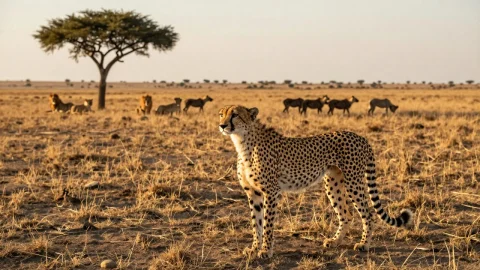
Lions, spotted hyenas, and leopards are the main animals that eat cheetahs, preying mostly on helpless cubs, while adults survive by running and avoiding confrontation.
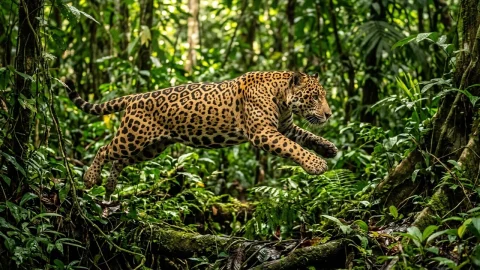
Jaguars leap in short, explosive ambush bursts, using bone-crushing bite force and stealth to take down prey, sometimes with a single bite.
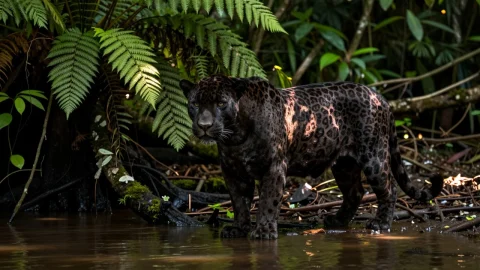
A black jaguar is a melanistic jaguar, not a separate species. It carries a dominant genetic mutation that darkens its coat while keeping the same biology as any other jaguar.