Are jaguars friendly to humans? Safety facts to know
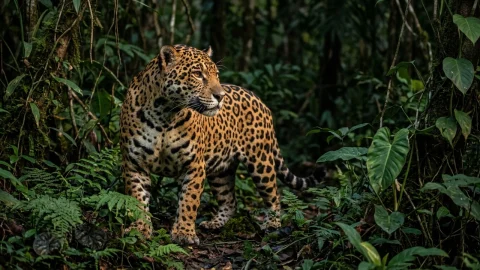
Jaguars are not friendly to humans. They are solitary, elusive ambush predators that avoid contact but can cause life-threatening injuries if cornered or provoked.

Curiosities, questions and fascinating facts
 Animals Editorial Team
Jaguars are not friendly to humans. They are solitary, elusive ambush predators that avoid contact but can cause life-threatening injuries if cornered or provoked.
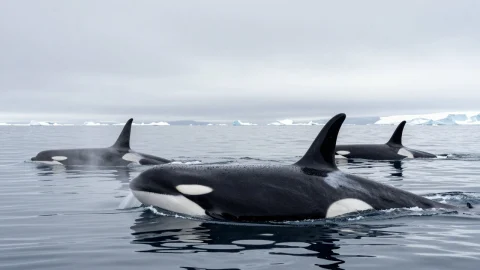
No verified record exists of orcas eating polar bears. Killer whales hunt seals, whales, and fish, while polar bears scavenge whale carcasses left behind.
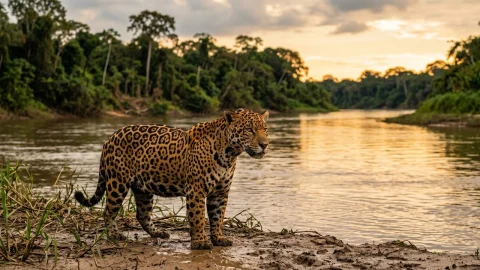
Jaguars live mainly in the Amazon Basin and Pantanal, spanning from southern Arizona through Central and South America to northern Argentina, in forests near water.
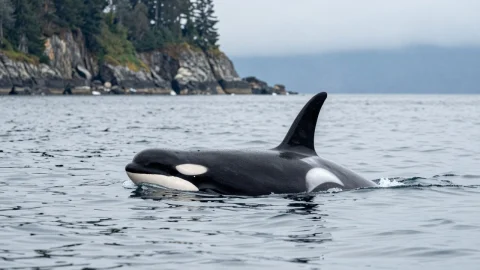
The 73-orca count refers only to the endangered Southern Resident population in the Pacific Northwest, not all wild killer whales worldwide.

Giant pandas are not friendly to humans in a conventional sense. They are solitary, powerful wild bears that avoid contact and can bite when threatened.

Giant pandas rarely eat meat and will likely stay bamboo specialists. Their anatomy, time budget, and disrupted umami taste receptors all reinforce a plant-based diet.

Giant pandas eat bamboo almost exclusively, up to 12.5 kg daily, spending up to 16 hours a day foraging to compensate for a digestive system poorly suited to plant fiber.
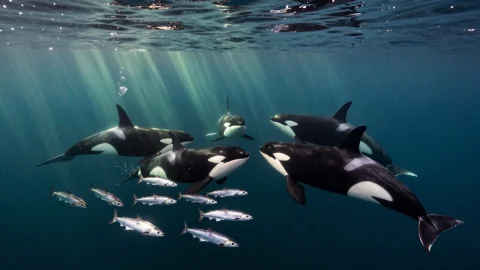
Orcas eat fish, marine mammals, sharks, and more, but which prey depends on their ecotype. Residents favor salmon, transients hunt seals, and offshores are thought to sometimes take sharks.
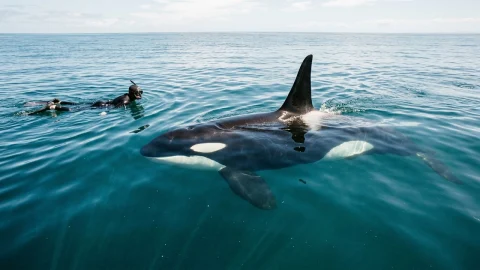
No wild orca has ever killed a human. Learn why killer whales are curious rather than dangerous and what science says about their behavior near people.
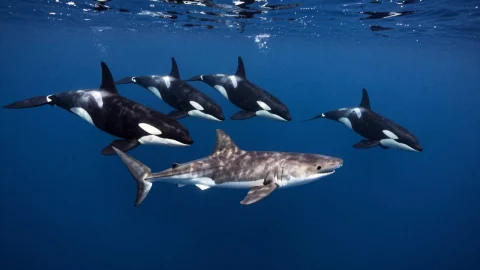
Yes, orcas eat sharks. Field observations confirm they hunt white sharks and whale sharks using coordinated group tactics, targeting the liver for its dense energy.