Why orcas are called killer whales explained
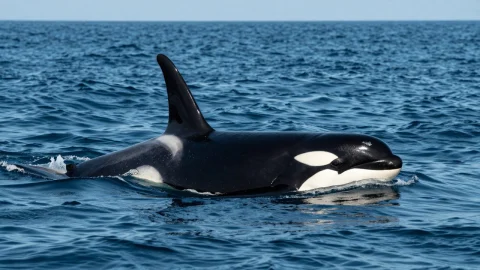
Orcas got the name killer whale from Basque whalers who watched them hunt large cetaceans. They are actually dolphins, not whales, and pose no threat to humans in the wild.

Curiosities, questions and fascinating facts
 Animals Editorial Team
Orcas got the name killer whale from Basque whalers who watched them hunt large cetaceans. They are actually dolphins, not whales, and pose no threat to humans in the wild.
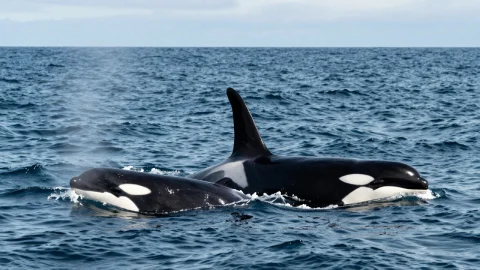
Adult orcas have no natural predators, but human activity threatens their survival through noise, chemical pollution, and vanishing prey.
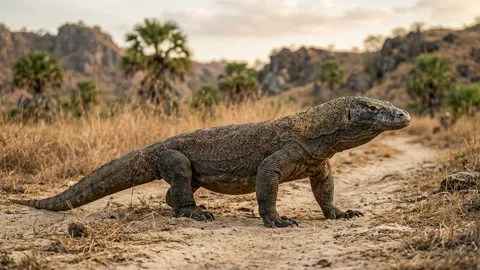
Wild Komodo dragons live about 30 years, though males may outlive females by decades. In zoos, males average around 20 years, with some reaching the mid-20s.
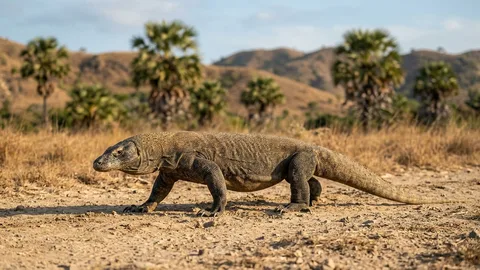
Komodo dragons are not all female. Wild groups include both sexes, and virgin births in females produce only sons, so sexual reproduction remains essential.
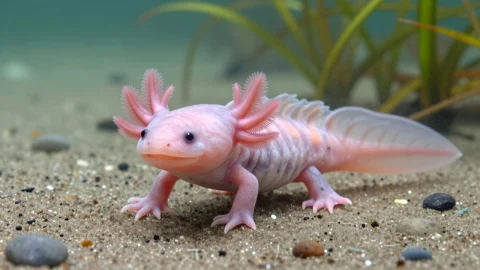
Axolotls regrow limbs, hearts and spines without scars, resist cancer, breathe three ways, camouflage in mud and stay larval for life in Mexico’s lakes.
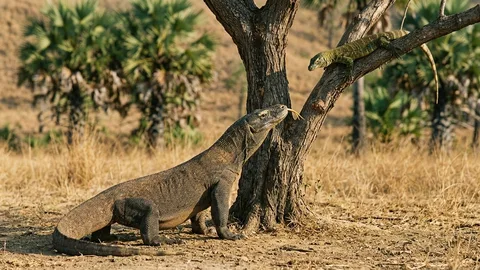
Adult Komodo dragons have no natural predators. Young ones are eaten mostly by adult dragons, and humans threaten the species through killing, habitat loss and trade.
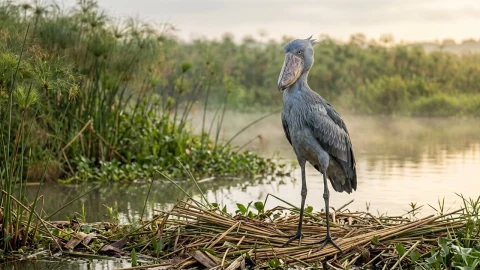
Shoebills live about 35 years in the wild and in captivity. Learn how energy saving, slow breeding and wetland protection shape their survival.
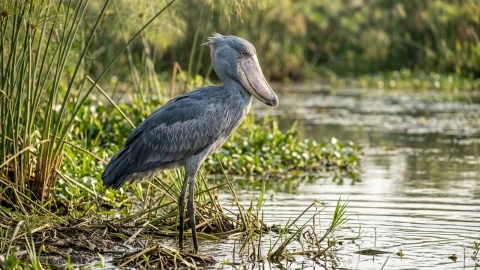
The shoebill is mostly silent, but it clatters its huge bill as a greeting at the nest. Adults also moo and whine, and chicks hiccup when hungry.
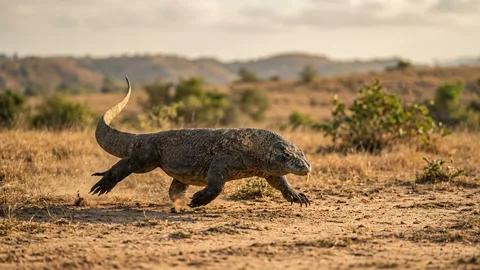
A Komodo dragon can sprint about 10 to 13 mph in short bursts, but it relies on ambush, a lifted tail for balance, and venom rather than long chases.
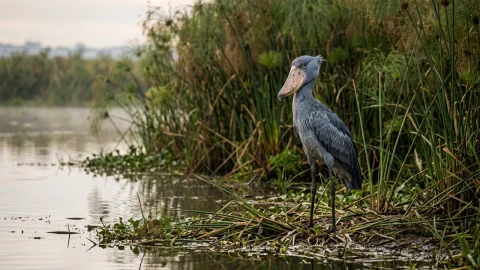
Seeing a wild shoebill is rare: about 5,000 to 8,000 birds live in patchy central-east African swamps, so a zoo is the realistic option.