Can capybaras bite? teeth, temper and safety explained
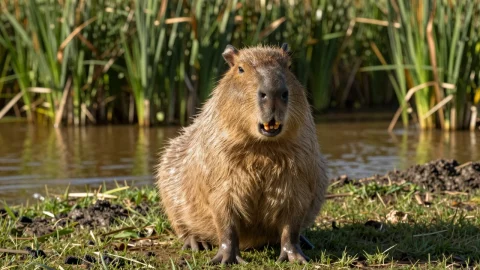
Wild capybaras can bite with powerful lifelong-growing incisors. Knowing their social signals and giving them space keeps wetland encounters calm and safe.

Curiosities, questions and fascinating facts
 Animals Editorial Team
Wild capybaras can bite with powerful lifelong-growing incisors. Knowing their social signals and giving them space keeps wetland encounters calm and safe.
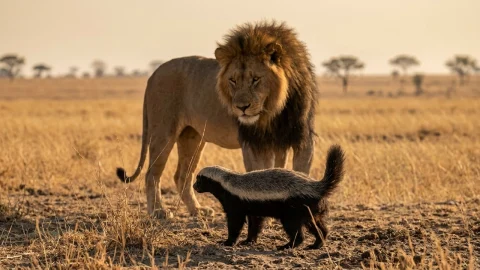
A honey badger cannot kill a healthy adult lion. The size gap is decisive, but its loose skin, odor and bold counterattacks let it survive most encounters.
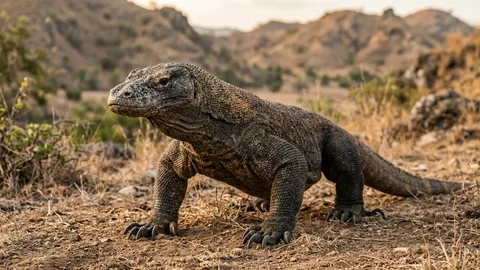
Komodo dragons are venomous: a lower-jaw gland lowers blood pressure and blocks clotting, making their bite lethal even when prey initially escapes.
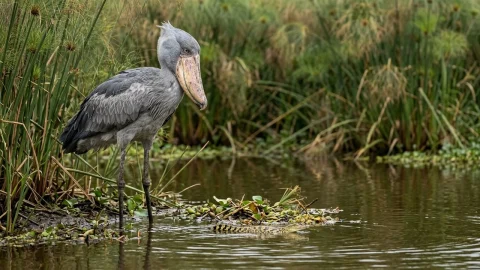
Shoebills can eat crocodiles, but only hatchlings. Learn how this ambush predator hunts, what it actually eats, and why adults are completely off the menu.
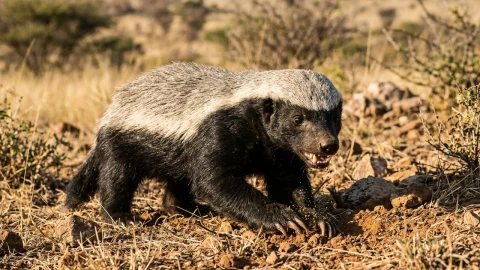
Learn about the honey badger’s bite force, skull anatomy, jaw mechanics, and how its compact physical structure enables powerful bites without reliance on PSI.
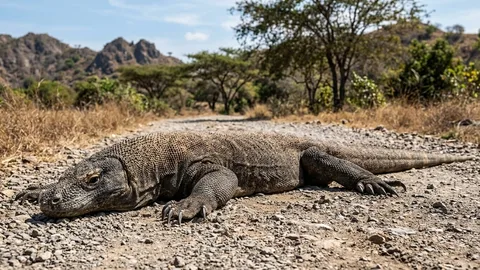
Discover how big Komodo dragons grow, including their average length of 6 to 10 feet and weight between 154 and 300 pounds for adult wild specimens.
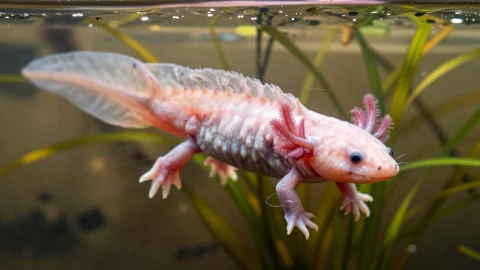
Discover how fast axolotls swim, exploring their slow bottom-walking pace, 10 mph emergency bursts, aquatic hunting tactics, and unique movement styles.
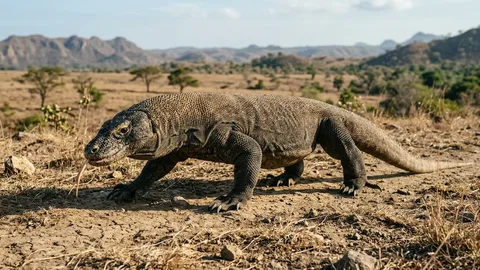
Learn if a human can survive a Komodo dragon bite, how its serrated teeth, venom and bacteria act on the body, and key emergency medical steps.

Capybaras seem friendly due to calm herd habits and slow movements, but they remain wild animals that guard their space and prioritize safety near water.
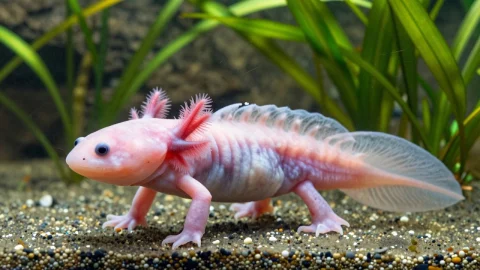
Discover why touching axolotls damages their delicate, permeable skin, soft body, and stress levels, and how to safely observe them in clean water.