Skip to content
Animal Fact File

Animal Fact File

Curiosities, questions and fascinating facts

  • Animals
    • Big cats
      • Lion
      • Tiger
      • Cheetah
      • Leopard
      • Jaguar
    • Bears, pandas and wolves
      • Bear
      • Polar bear
      • Giant panda
      • Red panda
      • Wolf
    • Safari animals
      • Elephant
      • Hippo
      • Rhinoceros
      • Giraffe
      • Zebra
      • Gorilla
    • Ocean life
      • Orca
      • Blue whale
      • Sperm whale
      • Dolphin
      • Octopus
      • Jellyfish
      • Penguin
    • Backyard animals
      • Raccoon
      • Opossum
      • Squirrel
      • Bat
      • Coyote
    • Odd and unusual
      • Axolotl
      • Shoebill
      • Komodo dragon
      • Capybara
      • Honey badger
      • Platypus
    • All animals
  • Printables & tools
    • Axolotl coloring pages
    • Capybara coloring pages
    • Random animal generator
  • Topics
    • Physical Characteristics
    • Wild Habitats
    • Diet & Hunting
    • Natural Behaviors
    • Species & Conservation
    • Reproduction & Life Cycle
  • Español

Animals Editorial Team

Editorial team at Animal Fact File. Articles are drafted with AI assistance and reviewed before publishing — see our About page and our Editorial Policy & AI Disclosure.

Is an axolotl intelligent? How salamander brains work
October 11, 2026September 26, 2026 by Animals Editorial Team
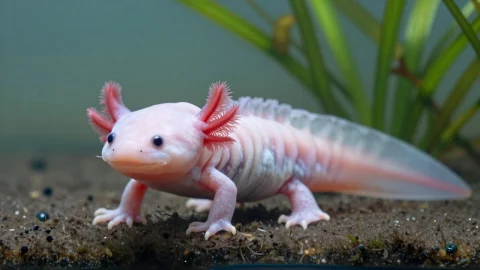
Pink axolotl with feathery red gills resting on a muddy bottom in clear still water

Is an axolotl intelligent? Not in a mammalian sense, but its salamander brain runs on sharp senses, instinct and a rare ability to regenerate neural tissue.

Categories Natural Behaviors Tags Axolotl

Is a honey badger dangerous to humans? Real risks explained

September 26, 2026 by Animals Editorial Team
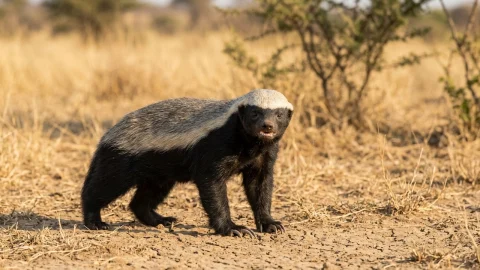
Wild honey badger in a defensive stance on dry savanna, with its black body, pale gray back and long front claws

Honey badgers avoid people but can attack when cornered or rabid. Learn the real risks, documented cases, and how to stay safe near them.
Categories Natural Behaviors Tags Honey badger

Would an axolotl bite hurt? What the evidence says

October 7, 2026September 26, 2026 by Animals Editorial Team
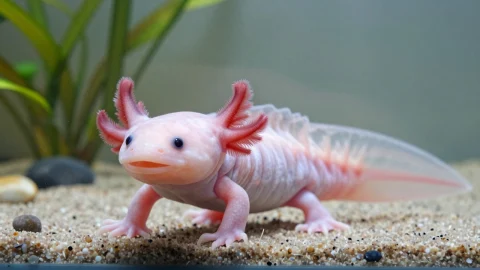
Pink axolotl with red feathery gills and a slightly open mouth resting on sand in a clear aquarium

An axolotl bite is a feeding reflex from tiny gripping teeth, a harmless pinch to people. The real risk is to the fragile axolotl itself.
Categories Physical Characteristics Tags Axolotl

Where do capybaras live? Habitats across South America

October 11, 2026September 26, 2026 by Animals Editorial Team
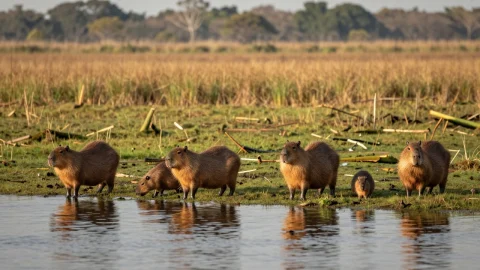
Group of capybaras standing in shallow water at the edge of a flooded South American grassland wetland at sunset

Capybaras live across Central and South America, from Brazil to the Argentinian pampas, always near rivers, marshes, ponds and flooded grassland.

Categories Wild Habitats Tags Capybara

Is a Wolverine Bigger Than a Honey Badger? Comparing Size

September 26, 2026 by Animals Editorial Team
Wolverine in side profile on a snowy slope, showing its stocky body, short legs and dark fur with pale flank stripes

Yes, the wolverine is bigger than the honey badger: longer, taller and heavier at 9 to 30 kg versus 8 to 12 kg, though their weight ranges overlap.
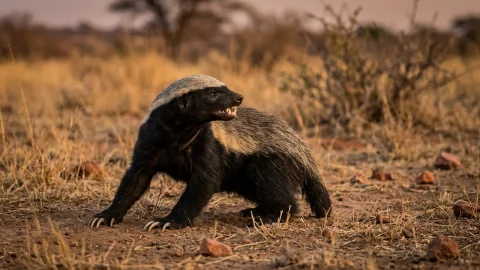
Categories Physical Characteristics Tags Honey badger

Can a honey badger turn in its skin? Loose hide defense

September 26, 2026 by Animals Editorial Team
Honey badger twisting inside its loose skin with bared teeth and extended claws on dry savanna at dusk

Yes, a honey badger can twist inside its thick, loose hide to face a predator holding it, then bite back. Learn how this defense works and where it fails.
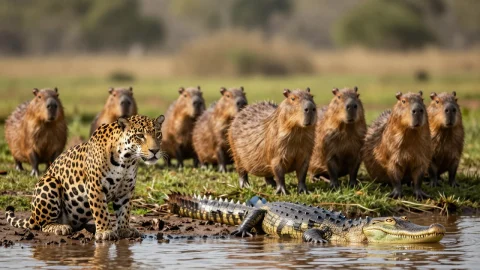
Categories Physical Characteristics Tags Honey badger

Do capybaras have predators? Jaguars, caimans and anacondas

September 26, 2026 by Animals Editorial Team
A jaguar crouches on a riverbank watching a group of capybaras while a caiman lurks in the shallows

Yes, capybaras have predators. Jaguars, anacondas and caimans hunt them, and pups are most at risk. Learn how groups, water and alarm calls protect them.
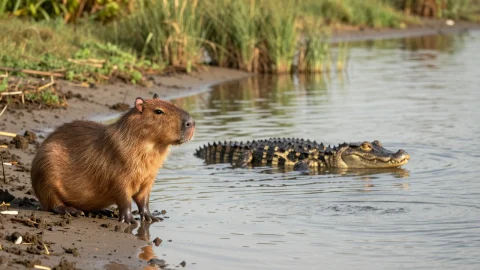
Categories Natural Behaviors Tags Capybara

Why Alligators Don’t Eat Capybaras: The Real Reason

October 11, 2026September 26, 2026 by Animals Editorial Team
Alert adult capybara on a muddy riverbank while a caiman lies low in the shallows nearby

Alligators and capybaras live on different continents. Caimans do hunt young capybaras, but alert, water-loving adults in groups are hard prey to catch.
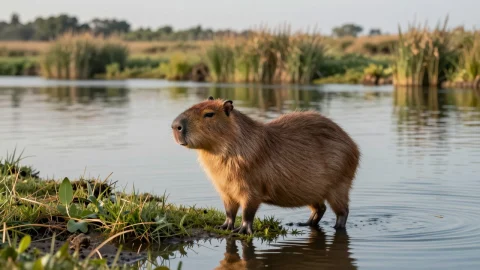
Categories Natural Behaviors Tags Capybara

Is a capybara just a giant rat? Size, family and habits

September 26, 2026 by Animals Editorial Team
Adult capybara with reddish brown fur standing on a grassy river bank in soft morning light

A capybara is a rodent but not a rat. It belongs to the cavy family with guinea pigs, weighs 35 to 66 kg, grazes on grass and lives in herds near water.
Categories Species & Conservation Tags Capybara

How fast can a capybara run? Bursts, gaits and water

October 7, 2026September 26, 2026 by Animals Editorial Team
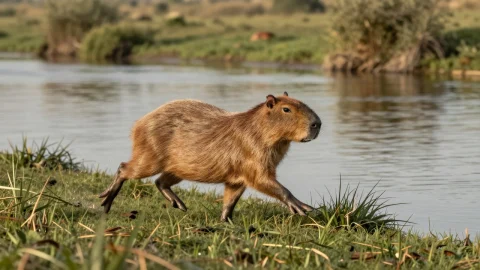
Adult capybara galloping across a wet grassy riverbank toward the water at dawn

Capybaras walk by default, then gallop and half bound in short bursts of up to 200 m, mainly to reach the nearest water and hide from predators.

Categories Physical Characteristics Tags Capybara
Older posts
Newer posts
← Previous Page1 … Page21 Page22 Page23 … Page33 Next →

Browse animals

Big cats
  • Lion
  • Tiger
  • Cheetah
  • Leopard
  • Jaguar
  • All big cats
Bears, pandas and wolves
  • Bear
  • Polar bear
  • Giant panda
  • Red panda
  • Wolf
  • All bears, pandas and wolves
Safari animals
  • Elephant
  • Hippo
  • Rhinoceros
  • Giraffe
  • Zebra
  • Gorilla
  • All safari animals
Ocean life
  • Orca
  • Blue whale
  • Sperm whale
  • Dolphin
  • Octopus
  • Jellyfish
  • Penguin
  • All ocean life
Backyard animals
  • Raccoon
  • Opossum
  • Squirrel
  • Bat
  • Coyote
  • All backyard animals
Odd and unusual
  • Axolotl
  • Shoebill
  • Komodo dragon
  • Capybara
  • Honey badger
  • Platypus
  • All odd and unusual

Recent articles

  • Are platypuses poisonous? Male spurs, venom and pain symptoms
  • Is a platypus a mammal? Egg laying, milk and venomous spurs
  • Do platypuses glow in the dark? UV glow, colours and camouflage
  • Do platypuses sweat milk? Mammary patches and nursing
  • Why do octopuses have three hearts? Gill and systemic flow

Animals

  • Big cats
  • Bears, pandas and wolves
  • Safari animals
  • Ocean life
  • Backyard animals
  • Odd and unusual

Printables & tools

  • Axolotl coloring pages
  • Capybara coloring pages
  • Random animal generator
© 2026 Animal Fact File ·
  • About
  • Editorial policy & AI disclosure
  • Privacy policy
  • Cookies policy
  • Contact
  • Español