Why are lion tongues so rough? The science behind big cat tongues
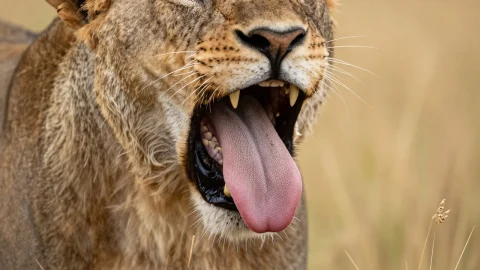
Discover why lion tongues are so rough. Learn how backward-facing keratin papillae help big cats strip meat from bones and groom their coats in the wild.

Curiosities, questions and fascinating facts
 Animals Editorial Team
Discover why lion tongues are so rough. Learn how backward-facing keratin papillae help big cats strip meat from bones and groom their coats in the wild.
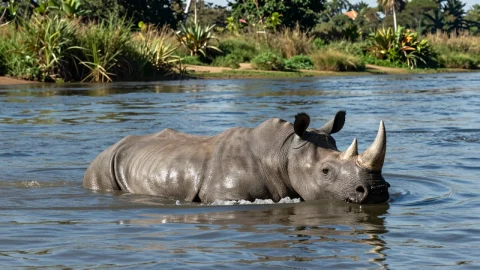
Rhinoceroses can swim across deep water, though ability varies by species: Asian rhinos swim naturally across rivers, while African rhinos avoid deep water.
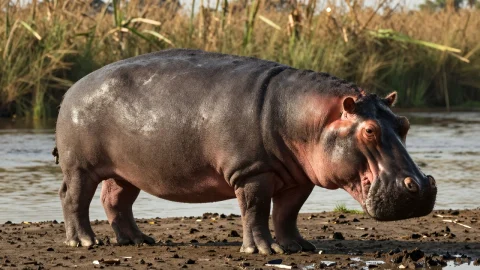
Learn how thick a hippopotamus skin is in inches, reaching up to 2 inches to provide natural armor against rival bites and predators.
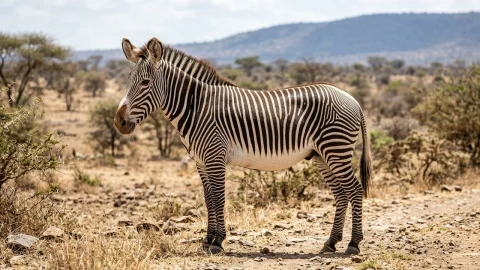
Learn the key differences between plains zebras and Grevy’s zebras, including their distinct stripe patterns, body sizes, habitats, and social structures.

Learn why leopards have rosettes instead of solid spots, how disruptive camouflage aids stealth hunting, and how their coat pattern differs from jaguars.
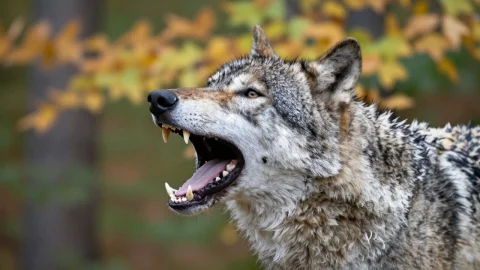
An adult wolf has 42 teeth designed for hunting and crushing bone. Learn about wolf dentition, canine teeth types, jaw structure, and functions.
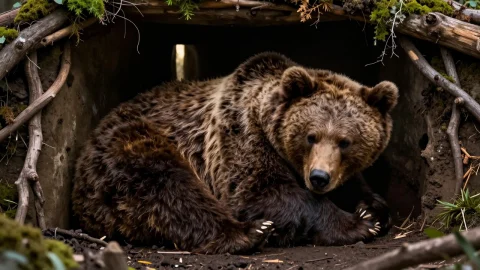
Discover how hibernating bears preserve muscle mass for months through nitrogen recycling, fat metabolism, micro-movements, and gene regulation.
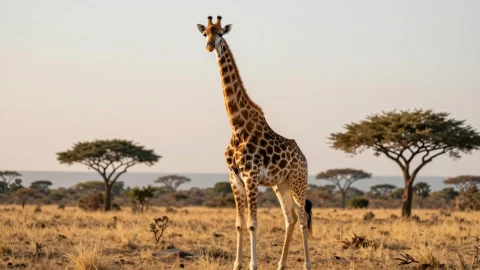
A giraffe’s gestation period lasts between 14 and 15 months (400 to 460 days), allowing calves to develop fully and stand shortly after birth in the wild.
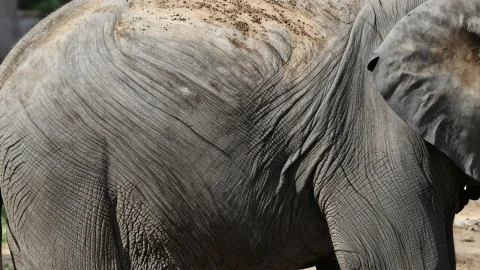
Discover how thick an elephant skin is across its body, why its hide is cracked and wrinkled, and how it protects against solar heat and environmental hazards.
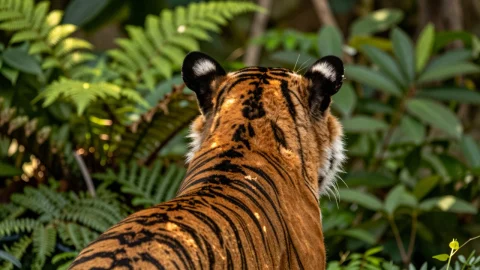
Discover why tigers have white spots on the back of their ears, exploring their role in cub signaling, threat displays, and visual camouflage in the wild.