
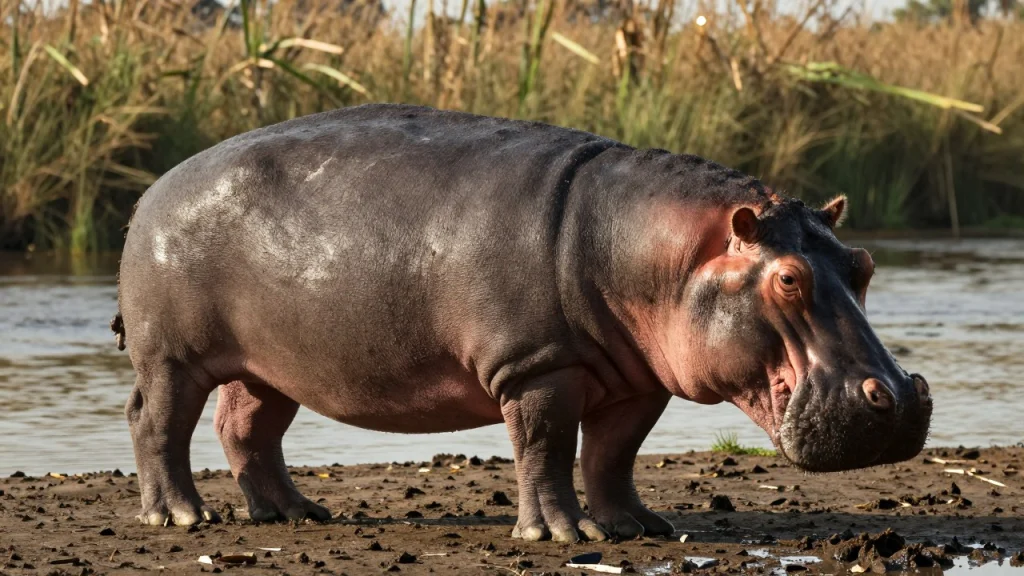
A hippopotamus has up to 2 inches (5 centimeters) of thick, waterproof skin.
While the skin on less exposed areas like the belly is somewhat thinner, this massive hide makes up a significant portion of the animal’s overall body weight. Understanding the structure and function of a hippo’s skin reveals how this semi-aquatic mammal thrives in harsh African river ecosystems.
Structure and thickness of hippopotamus skin
The remarkable thickness of hippo skin is not uniform across its entire body, but it provides comprehensive protection where the animal needs it most.
- Thickest regions: In its thickest areas, the skin measures up to 2 inches (5 cm) deep.
- Subcutaneous layer: Beneath the dense dermis lies a thick layer of fat, adding extra insulation and buoyancy in water.
Unlike many other large mammals whose hides are covered in dense fur, the hippopotamus has almost hairless skin. This makes the epidermis directly exposed to sunlight, water, and sharp physical contact, requiring an unusually thick structure to prevent deep wounds.
Why do hippopotamuses need such thick skin?
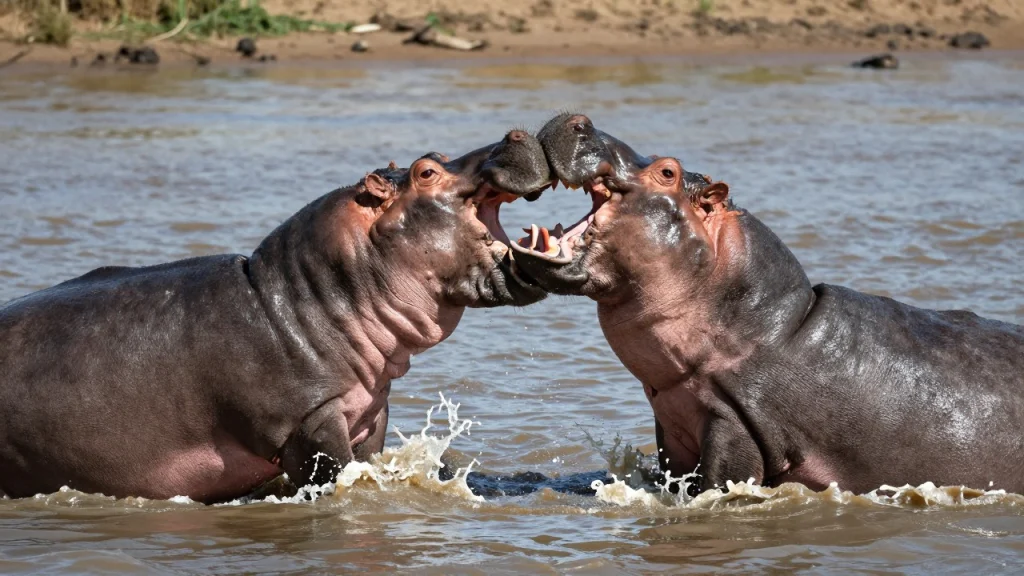
The extreme thickness of a hippo’s skin is a crucial evolutionary adaptation that serves multiple survival functions in the wild.
Protection against aggressive combat
Hippos are highly territorial creatures, especially males defending their stretches of river or breeding rights. Fights between adult males involve massive lower canine teeth that can reach lengths of over 1.5 feet (45 cm). The 2-inch-thick hide acts like natural body armor, absorbing blows and stopping sharp teeth from penetrating vital internal organs.
Defense from apex predators
Adult hippopotamuses have few natural predators, while young hippos can be threatened by lions, crocodiles, hyenas, and leopards. The tough hide makes it exceptionally difficult for predators to puncture the skin with claws or teeth, deterring most attacks.
Structural support and weight distribution
Adult female hippos average about 1,385 kilograms (3,053 pounds) and males about 1,546 kilograms (3,408 pounds), with a maximum recorded weight in the wild of about 2,065 kilograms (4,552 pounds). The dense, rigid structure of the skin acts as an external girdle, helping to compress muscle tissues and support the mammal’s immense bulk as it moves on land and underwater.
Unique characteristics: sensitivity and “blood sweat”
Despite its impressive thickness, hippo skin has distinct physical vulnerabilities that require specialized physiological adaptations.
Extreme sensitivity to dehydration
Hippo skin lacks true sweat glands, making hippos prone to dehydration if they stay out of water too long. This also leaves hippos vulnerable to sunburn during prolonged exposure to dry air. Hippos spend roughly 15 hours a day resting in water, both fully and partially submerged, to help keep their skin cool and hydrated.
Natural sunblock and antimicrobial secretion
When out of the water, a hippo’s skin secretes a oily red-orange liquid often referred to as “blood sweat.” This substance is neither blood nor sweat, but a specialized glandular secretion containing red and orange pigments:
- Sun protection: The secretion absorbs ultraviolet radiation, protecting the skin from sunburn.
- Antibacterial protection: The acidic fluid acts as a potent antimicrobial agent, preventing wounds sustained during fights from getting infected in dirty river water.
How hippo skin compares to other large mammals
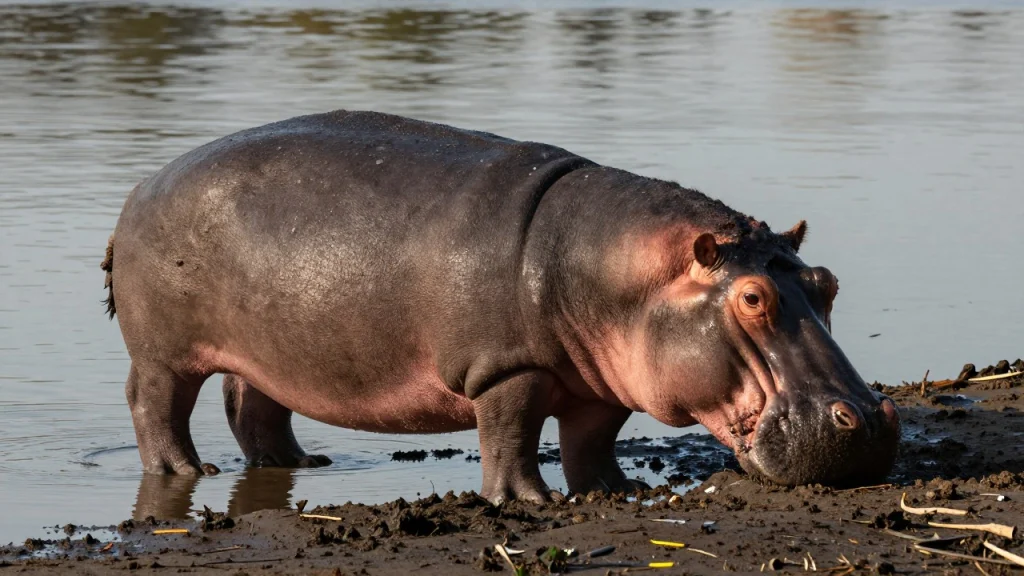
To understand just how thick a hippo’s hide is, it helps to compare it with other megaherbivores sharing its habitat.
- Hippopotamus: Up to 2 inches (5 cm) thick.
- African Elephant: Averages 17 mm (about 0.67 inches) thick.
- Rhinoceros: White rhinoceros skin can be as thick as 45 mm (about 1.8 inches) and acts as dermal armor.
Conclusion
A hippopotamus’s skin is a specialized evolutionary armor measuring up to 2 inches (5 cm) thick. This thick hide is vital for surviving territorial fights with rivals and protecting against predators. Paired with their unique oily secretions that act as sunblock and antibiotic ointment, hippos are perfectly equipped to thrive in their aquatic African habitats.