Can lions see in total darkness? How lion night vision works
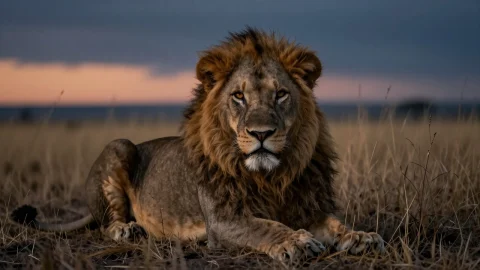
Discover how lions navigate low light with tapetum lucidum tissue, rod-packed retinas, and subtle fur cues, and whether they see in total darkness.

Curiosities, questions and fascinating facts
 Animals Editorial Team
Discover how lions navigate low light with tapetum lucidum tissue, rod-packed retinas, and subtle fur cues, and whether they see in total darkness.
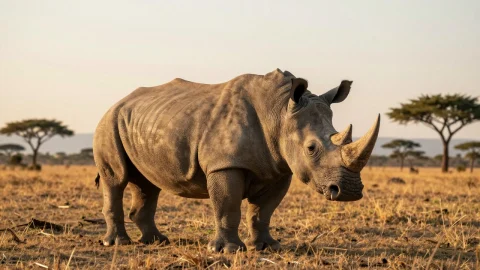
A rhinoceros gestation period lasts between 15 and 16 months, depending on the species. Learn how pregnancy length affects rhino calf development and survival.
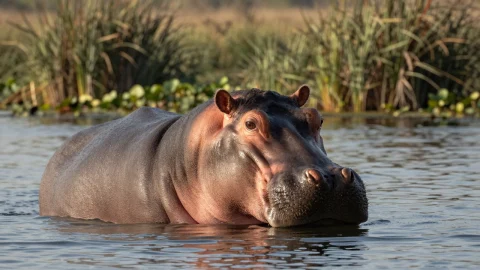
Discover what is known about a hippopotamus’s bite, why the often-quoted figure of about 1,800 PSI remains unverified, and how skull anatomy and muscle power create a bite nearly three times stronger than a lion’s.
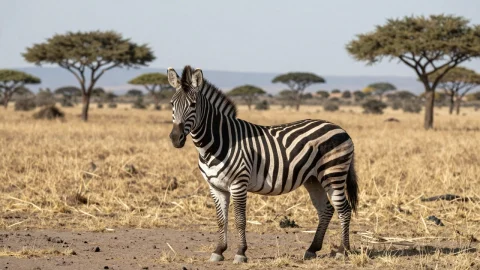
Learn how zebras sleep standing up using their stay apparatus, why they rest upright to avoid predators, and when they lie down for deep REM sleep.
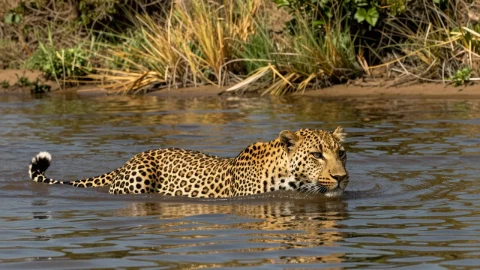
Learn how leopards use rivers to stalk prey and patrol territory, and how muscular power and stealth help them swim across water when needed.

Learn the key differences between a wolf and a coyote, including their physical size, snout and ear shapes, pack dynamics, vocalizations, and wild diets.

A polar bear can smell a seal on the ice up to 20 miles away. Learn how wind, humidity, and nasal anatomy enable these powerful mammals to track scent trails.
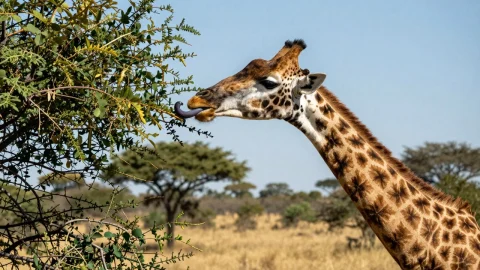
A giraffe’s tongue measures between 18 and 20 inches long. Discover how its prehensile muscle, dark pigmentation, and length aid treetop feeding.
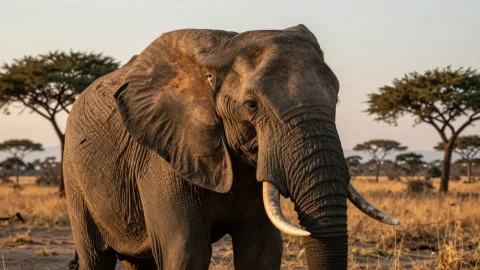
Elephants do not shed emotional tears when sad, but they express grief through quiet vigils, gentle touching of bones, and low-frequency rumblings.
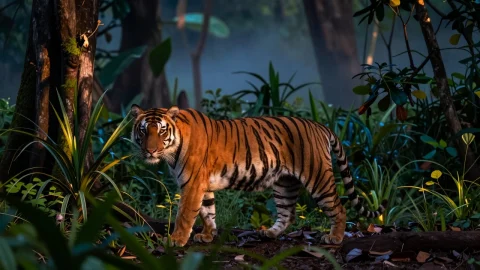
Tigers are primarily crepuscular and nocturnal hunters, using low light and night vision for ambush. However, they can hunt during the day when necessary.