Skip to content
Animal Fact File

Animal Fact File

Curiosities, questions and fascinating facts

  • Animals
    • Big cats
      • Lion
      • Tiger
      • Cheetah
      • Leopard
      • Jaguar
    • Bears, pandas and wolves
      • Bear
      • Polar bear
      • Giant panda
      • Red panda
      • Wolf
    • Safari animals
      • Elephant
      • Hippo
      • Rhinoceros
      • Giraffe
      • Zebra
      • Gorilla
    • Ocean life
      • Orca
      • Blue whale
      • Sperm whale
      • Dolphin
      • Octopus
      • Jellyfish
      • Penguin
    • Backyard animals
      • Raccoon
      • Opossum
      • Squirrel
      • Bat
      • Coyote
    • Odd and unusual
      • Axolotl
      • Shoebill
      • Komodo dragon
      • Capybara
      • Honey badger
      • Platypus
    • All animals
  • Printables & tools
    • Axolotl coloring pages
    • Capybara coloring pages
    • Random animal generator
  • Topics
    • Physical Characteristics
    • Wild Habitats
    • Diet & Hunting
    • Natural Behaviors
    • Species & Conservation
    • Reproduction & Life Cycle
  • Español

Physical Characteristics

How long is a giraffe’s tongue in inches?
October 5, 2026September 24, 2026 by Animals Editorial Team
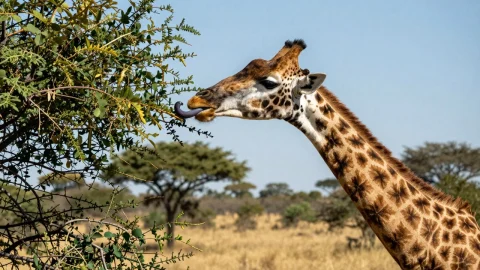
Close-up view of a giraffe extending its long dark prehensile tongue toward tree branches.

A giraffe’s tongue measures between 18 and 20 inches long. Discover how its prehensile muscle, dark pigmentation, and length aid treetop feeding.

Categories Physical Characteristics Tags Giraffe

Why are lion tongues so rough? The science behind big cat tongues

October 13, 2026September 24, 2026 by Animals Editorial Team
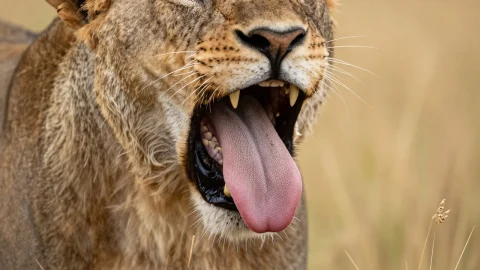
Extreme macro closeup of a wild lion showing its rough tongue covered in rigid backward facing papillae.

Discover why lion tongues are so rough. Learn how backward-facing keratin papillae help big cats strip meat from bones and groom their coats in the wild.
Categories Physical Characteristics Tags Lion

How thick is a hippopotamus skin in inches?

September 25, 2026September 24, 2026 by Animals Editorial Team
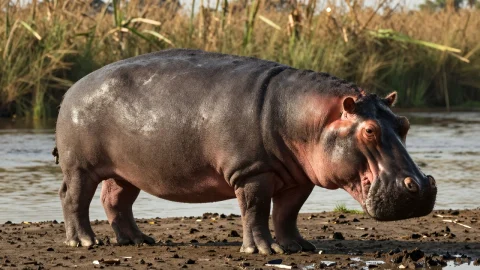
A massive hippopotamus displaying its thick, hairless gray hide beside a muddy riverbank in the African savanna.

Learn how thick a hippopotamus skin is in inches, reaching up to 2 inches to provide natural armor against rival bites and predators.
Categories Physical Characteristics Tags Hippopotamus

Why do leopards have rosettes instead of solid spots?

September 25, 2026September 24, 2026 by Animals Editorial Team
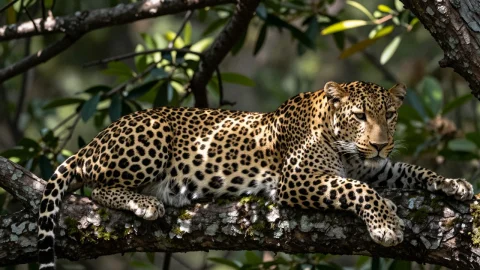
A leopard resting on a tree branch, its rosette-patterned fur blending with dappled sunlight.

Learn why leopards have rosettes instead of solid spots, how disruptive camouflage aids stealth hunting, and how their coat pattern differs from jaguars.
Categories Physical Characteristics Tags Leopard

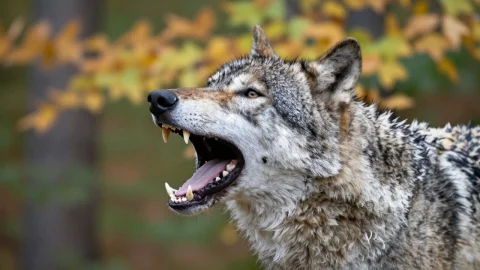
How many teeth does an adult wolf have? Complete guide to wolf dentition

October 5, 2026September 24, 2026 by Animals Editorial Team
Close-up of a wild gray wolf opening its mouth wide, revealing large canine fangs and strong adult teeth in detail.

An adult wolf has 42 teeth designed for hunting and crushing bone. Learn about wolf dentition, canine teeth types, jaw structure, and functions.
Categories Physical Characteristics Tags Wolf

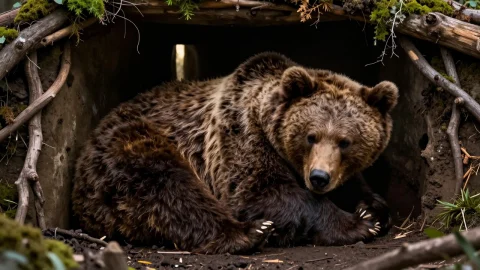
How bears keep their muscle mass while hibernating for months

September 25, 2026September 24, 2026 by Animals Editorial Team
A brown bear sleeping in a cozy winter den built from soil and tree roots.

Discover how hibernating bears preserve muscle mass for months through nitrogen recycling, fat metabolism, micro-movements, and gene regulation.
Categories Physical Characteristics Tags Bear

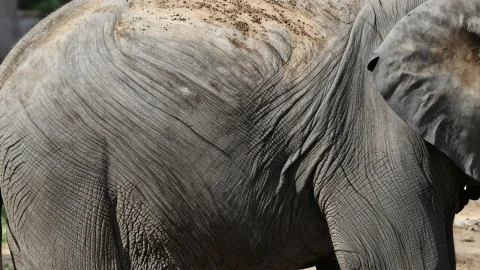
How thick is an elephant’s skin? Depth, structure, and functions

October 6, 2026September 24, 2026 by Animals Editorial Team
Detailed view of an elephant hide showing deep natural wrinkles and dry mud texture in warm sunlight.

Discover how thick an elephant skin is across its body, why its hide is cracked and wrinkled, and how it protects against solar heat and environmental hazards.
Categories Physical Characteristics Tags Elephant

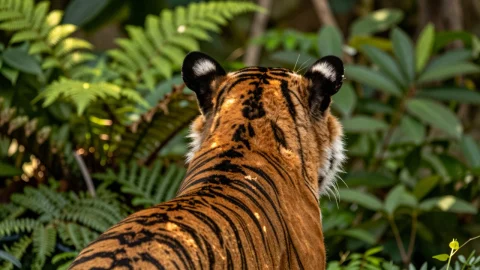
Why tigers have white spots on the back of their ears

September 25, 2026September 24, 2026 by Animals Editorial Team
Close-up of a tiger from behind showing the distinct white spots surrounded by dark fur on the back of its ears.

Discover why tigers have white spots on the back of their ears, exploring their role in cub signaling, threat displays, and visual camouflage in the wild.
Categories Physical Characteristics Tags Tiger

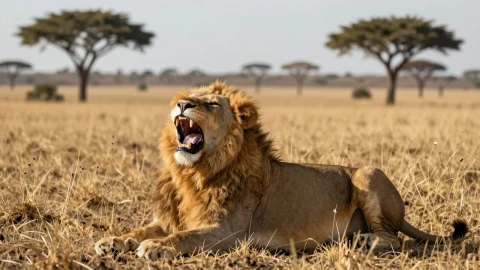
What is the bite force of a lion in PSI?

September 30, 2026September 24, 2026 by Animals Editorial Team
A lion growling on the savanna displaying its impressive jaw strength and long sharp canine teeth.

Learn about a lion’s bite force in PSI, how its jaw mechanics compare to other predators, and how dental structure and pride hunting secure prey.
Categories Physical Characteristics Tags Lion

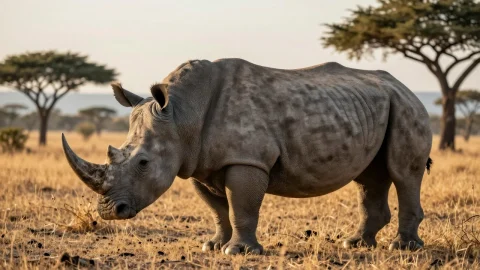
How thick is a rhinoceros skin?

September 25, 2026September 24, 2026 by Animals Editorial Team
A white rhinoceros standing in a sunlit savanna showing its thick, folded grey skin.

White rhinoceros skin can be as thick as 45 mm (4.5 cm), acting as armor against threats while remaining sensitive to sunburn and biting insects.

Categories Physical Characteristics Tags Rhinoceros
Older posts
Newer posts
← Previous Page1 … Page9 Page10 Page11 Page12 Next →

Browse animals

Big cats
  • Lion
  • Tiger
  • Cheetah
  • Leopard
  • Jaguar
  • All big cats
Bears, pandas and wolves
  • Bear
  • Polar bear
  • Giant panda
  • Red panda
  • Wolf
  • All bears, pandas and wolves
Safari animals
  • Elephant
  • Hippo
  • Rhinoceros
  • Giraffe
  • Zebra
  • Gorilla
  • All safari animals
Ocean life
  • Orca
  • Blue whale
  • Sperm whale
  • Dolphin
  • Octopus
  • Jellyfish
  • Penguin
  • All ocean life
Backyard animals
  • Raccoon
  • Opossum
  • Squirrel
  • Bat
  • Coyote
  • All backyard animals
Odd and unusual
  • Axolotl
  • Shoebill
  • Komodo dragon
  • Capybara
  • Honey badger
  • Platypus
  • All odd and unusual

Recent articles

  • Are platypuses poisonous? Male spurs, venom and pain symptoms
  • Is a platypus a mammal? Egg laying, milk and venomous spurs
  • Do platypuses glow in the dark? UV glow, colours and camouflage
  • Do platypuses sweat milk? Mammary patches and nursing
  • Why do octopuses have three hearts? Gill and systemic flow

Animals

  • Big cats
  • Bears, pandas and wolves
  • Safari animals
  • Ocean life
  • Backyard animals
  • Odd and unusual

Printables & tools

  • Axolotl coloring pages
  • Capybara coloring pages
  • Random animal generator
© 2026 Animal Fact File ·
  • About
  • Editorial policy & AI disclosure
  • Privacy policy
  • Cookies policy
  • Contact
  • Español