Wolf bite force in PSI: about 1,200, enough to crush elk bones

A wolf’s bite pressure is about 1,200 PSI, enough to crush the thick bones of large prey such as elk and moose to reach the nutritious marrow inside.

Curiosities, questions and fascinating facts
A wolf’s bite pressure is about 1,200 PSI, enough to crush the thick bones of large prey such as elk and moose to reach the nutritious marrow inside.

Discover how polar bear bite force of about 2,120 newtons compares to the grizzly’s 1,680 newtons, explaining skull structure and prey adaptations behind jaw strength.
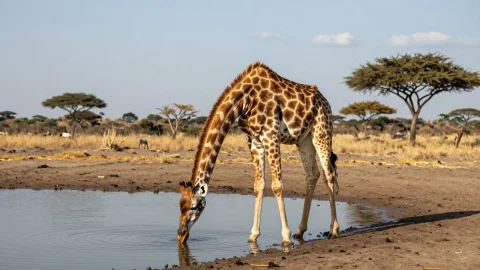
Learn how giraffes bend down to drink water safely without fainting, using specialized blood pressure valves and adaptive circulatory mechanisms.
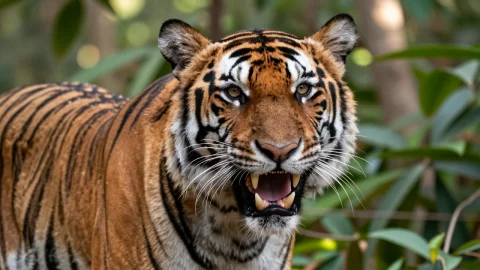
An adult tiger has 30 teeth specifically adapted for hunting and eating meat, including 4 massive canines, 12 incisors, 10 premolars, and 4 molars.
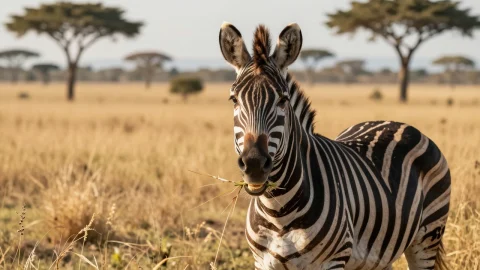
An adult zebra has 36 to 44 teeth depending on its sex. Learn how their specialized incisors, canines, and molars adapt for grazing on tough savannah grass.
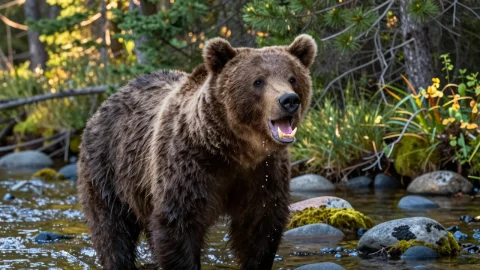
Discover how many teeth an adult bear has, how their 40 to 42 teeth are structured, and how canines and molars adapt to an omnivorous wild diet.
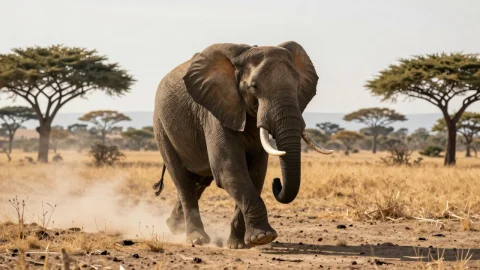
An elephant can reach a top speed of about 15 mph (24 km/h). Learn about elephant biomechanics, footfall patterns, and speed comparisons with other species.

Discover how lions navigate low light with tapetum lucidum tissue, rod-packed retinas, and subtle fur cues, and whether they see in total darkness.
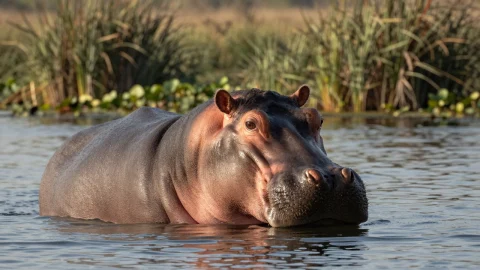
Discover what is known about a hippopotamus’s bite, why the often-quoted figure of about 1,800 PSI remains unverified, and how skull anatomy and muscle power create a bite nearly three times stronger than a lion’s.
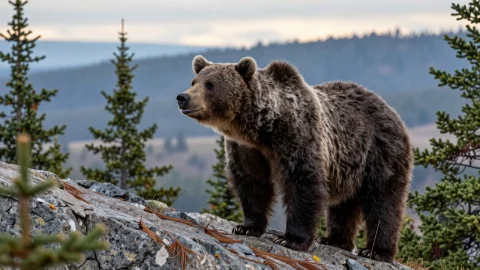
A polar bear can smell a seal on the ice up to 20 miles away. Learn how wind, humidity, and nasal anatomy enable these powerful mammals to track scent trails.