What do red pandas look like: fur, markings and anatomy
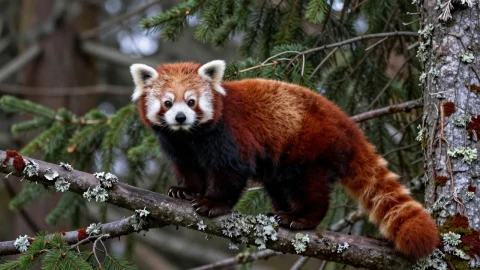
Red pandas have rust-red fur, black undersides, white-marked faces with dark tear streaks, ringed tails, and specialized paws built for high-altitude tree life.

Curiosities, questions and fascinating facts
Red pandas have rust-red fur, black undersides, white-marked faces with dark tear streaks, ringed tails, and specialized paws built for high-altitude tree life.
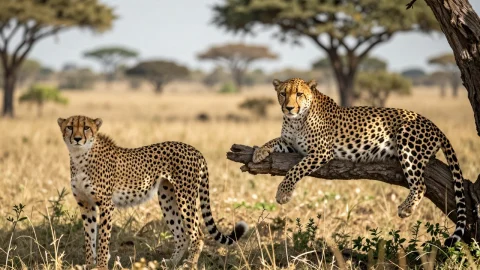
Cheetahs have solid spots, tear-stripe markings, and semi-retractable claws built for speed, while leopards show rosette patterns, heavier frames, and retractable claws suited for climbing.
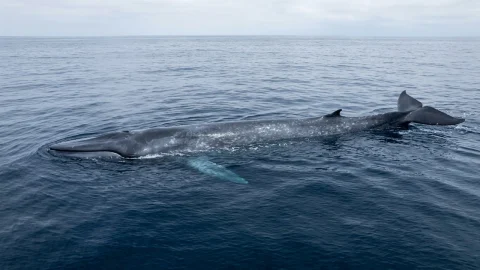
Blue whales measure 25 to 33 m long and weigh up to an estimated 270 tons, making them the heaviest animals ever to have lived on Earth.
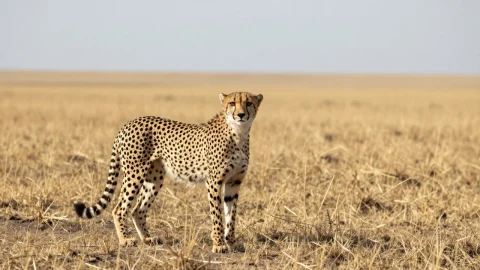
Cheetahs are not built for vertical leaping. Learn how their anatomy prioritizes horizontal sprinting over jumping, and what containment fencing heights wildlife facilities use.
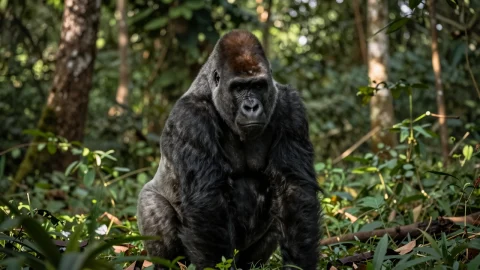
Gorillas do not outscore humans on intelligence tests. Research shows they excel at patience and some symbolic communication, but have smaller brains with fewer neurons.
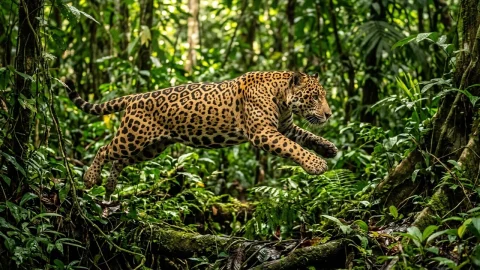
Jaguars leap in short, explosive ambush bursts, using bone-crushing bite force and stealth to take down prey, sometimes with a single bite.
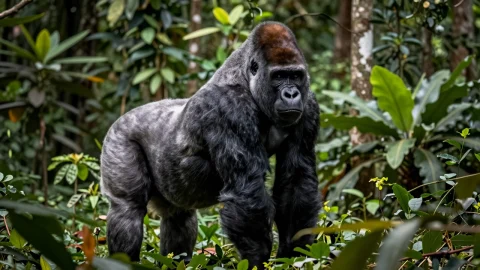
A silverback gorilla is a mature male troop leader identified by the pale grey saddle on his back, responsible for defense, breeding, and daily decisions for up to 30 gorillas.

Giant pandas have 40 to 42 teeth, matching the standard bear dental formula, with enlarged premolars, guiding incisors, and broad molars adapted for processing fibrous bamboo.
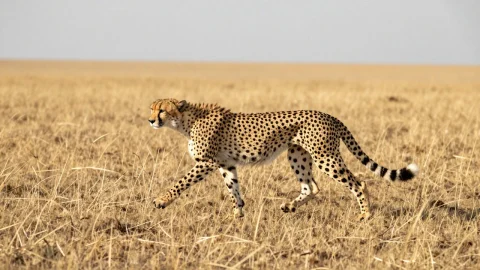
Cheetahs reach 60 to 70 mph and hit 45 mph in 2.5 seconds. Discover the anatomy, hunting strategy, and conservation status behind that speed.
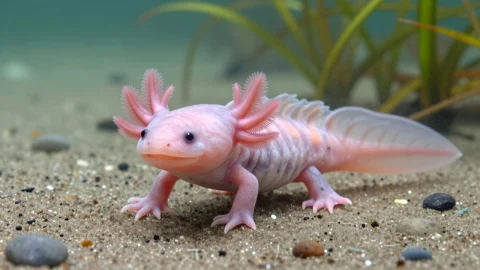
Axolotls regrow limbs, hearts and spines without scars, resist cancer, breathe three ways, camouflage in mud and stay larval for life in Mexico’s lakes.