Tiger bite force: 1,050 PSI (zoo) and 3375.27 N (skull study)

San Diego Zoo Wildlife Alliance states a tiger’s bite at 1,050 PSI. A skull-based study modeled 3375.27 N at the canines and 4172.26 N at the carnassials.

Curiosities, questions and fascinating facts
San Diego Zoo Wildlife Alliance states a tiger’s bite at 1,050 PSI. A skull-based study modeled 3375.27 N at the canines and 4172.26 N at the carnassials.

Reid Park Zoo states a jaguar’s bite force at around 1,500 pounds per square inch, about double a tiger’s. This article reports no measured bite force.
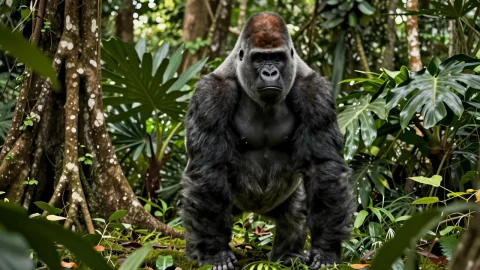
Gorillas are among the most powerful primates on Earth. Learn how their anatomy, jaw force, arm length, and skeletal build make silverbacks extraordinarily strong.

Cheetahs have one heart with four chambers. Learn how this single organ, enlarged lungs, and elastic skeleton power the fastest land mammal on Earth.

Polar bears look white because their transparent, hollow fur scatters light, while black skin beneath absorbs solar heat for warmth and camouflage on Arctic ice.
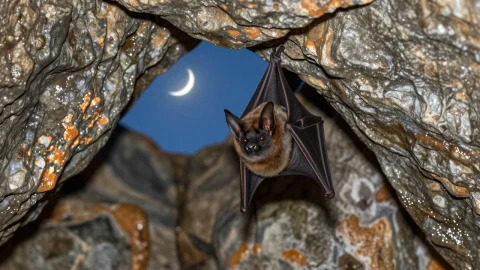
No bat species is truly blind. All bats have working eyes adapted to low light, and most combine vision with echolocation to hunt and navigate at night.
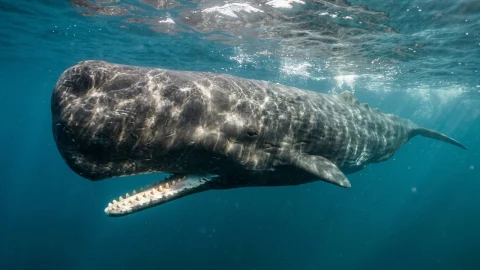
Yes, sperm whales have teeth, but only in the lower jaw. Learn how these conical ivory teeth work, what sperm whales eat, and their cultural history.
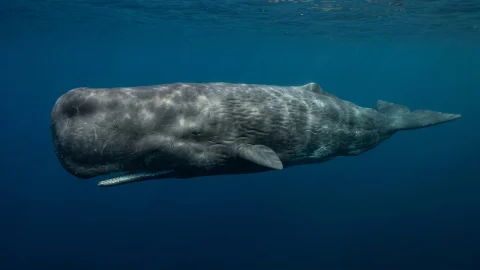
Adult sperm whales reach 52 feet and 45 tons, making them the largest toothed predators on Earth, with a massive brain, unique blowhole, and extreme diving ability.

Adult opossums have 50 teeth, the highest count of any North American land mammal, built for an omnivorous diet rather than specialized predation.
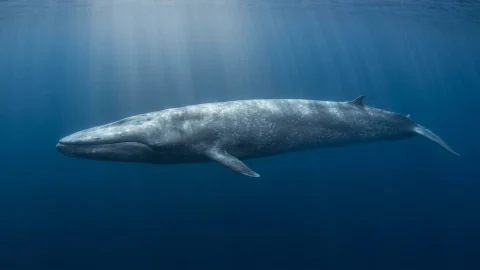
Blue whales cruise at about 5 mph and can sprint past 20 mph when alarmed, with feeding lunges reaching up to 5.7 m/s to engulf dense krill swarms.