
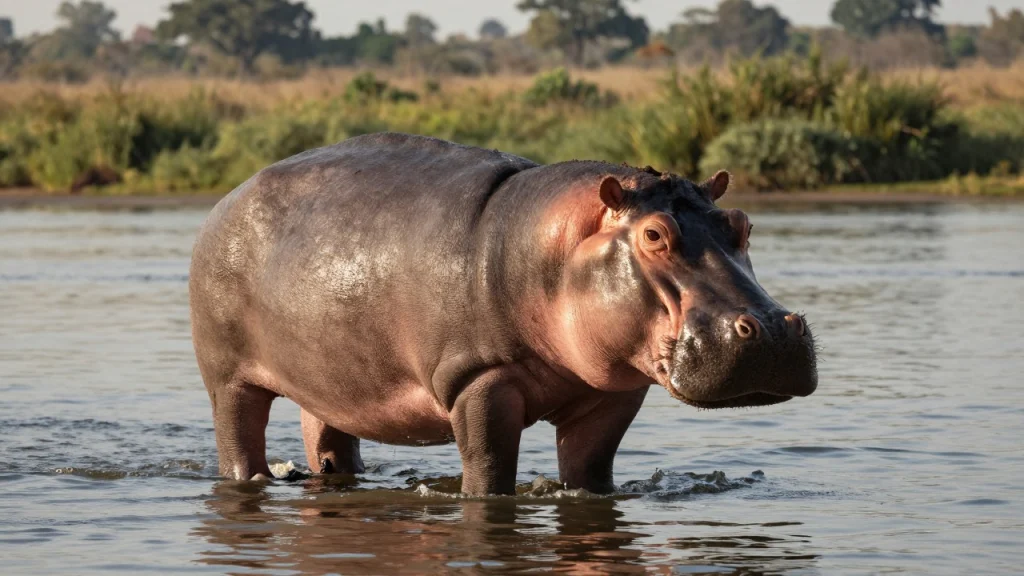
The gestation period of a hippopotamus is approximately 8 months. This pregnancy length allows the female hippopotamus (cow) to give birth to a fully developed calf capable of swimming almost immediately after birth.
Unlike many land mammals, hippopotamuses undergo pregnancy and childbirth closely tied to aquatic environments. Understanding how long a hippopotamus carries its young sheds light on the reproductive strategies and survival adaptations of these massive semi-aquatic mammals.
Hippopotamus Gestation Period Overview
Female hippopotamuses have a gestation timeline that sits between smaller land mammals and larger megafauna like elephants. Despite the shorter pregnancy, the hippo calf is about 10 times larger than a human baby at birth.
- Average Duration: Approximately 8 months.
- Litter Size: Typically one calf per pregnancy.
- Birth Weight: Newborn calves weigh between 50 and 110 pounds (23 to 50 kg).
The timing of pregnancy often aligns with local seasonal cycles, ensuring calves are born during periods of relative abundance.
Mating and Reproductive Cycles
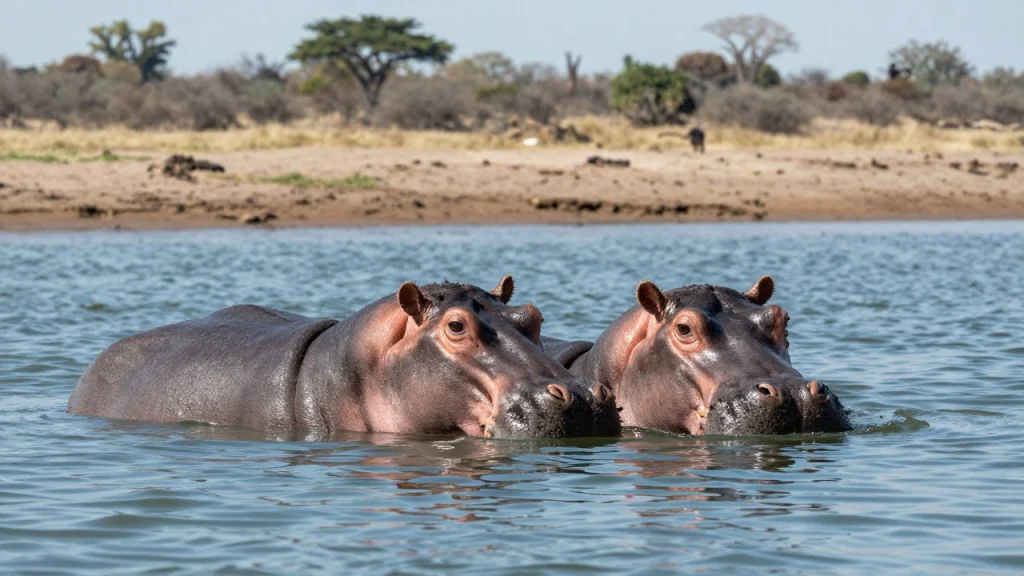
Females reach maturity at 5 to 6 years, and males at 7 years on average. Mating takes place entirely in the water, where the buoyancy helps support their immense body weight.
Dominant territorial males hold mating rights within their river stretches or pools. Although hippos can breed throughout the year, mating peaks during the dry season. This alignment ensures that births coincide with the arrival of the rainy season when freshwater is abundant and lush grazing grass is readily available.
Birth and Underwater Survival
When a pregnant hippo is ready to give birth, she usually isolates herself from the main pod. She seeks quiet, shallow waters or dense reedy riverbanks to reduce stress and protect the calf from potential predators or aggressive pod members.
- Underwater Delivery: Hippos frequently give birth underwater.
- First Breath: The newborn calf must swim up to the surface immediately to take its very first breath of air.
- Early Swimming Skills: Newborns can swim before they learn to walk comfortably on land, a vital skill for avoiding predators.
Nursing also occurs underwater or on land. When nursing underwater, the calf closes its nostrils and ears, suckling while submerged before surfacing for air.
Mother and Calf Bonding
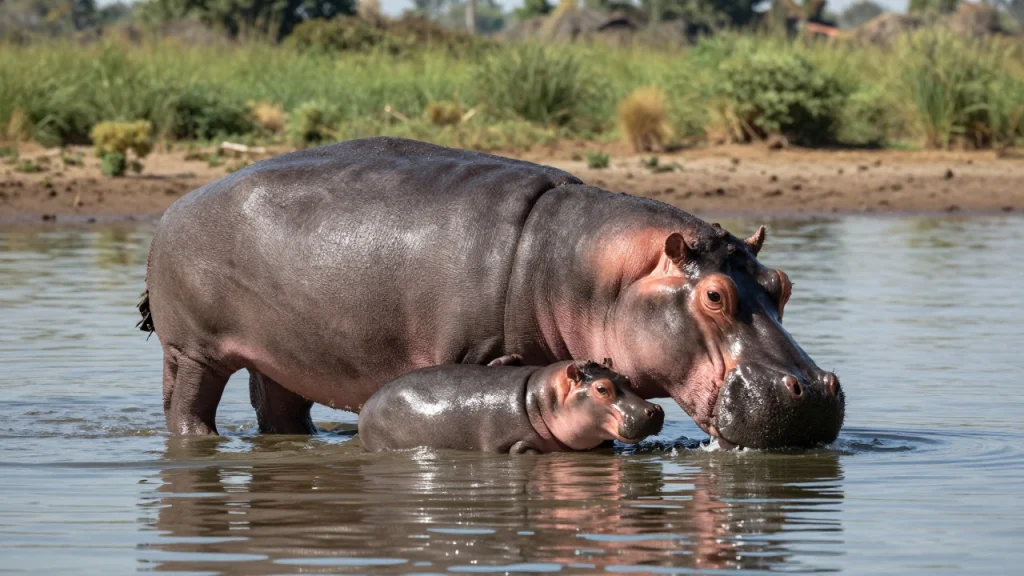
Following birth, the mother remains isolated with her calf for 1 to 2 weeks. This seclusion period allows mother and offspring to form a strong bond and establish mutual recognition through scent and vocal sounds.
Once the bond is secure, the mother introduces the calf to the larger pod. Herd males and mothers protect young calves from predators such as crocodiles, lions, and hyenas. The calf remains dependent on its mother’s milk for about 8 to 12 months.
How Hippo Gestation Compares to Other Mammals
Compared to other large wild mammals, the hippopotamus gestation period reflects its unique ecological niche.
- African Elephant: 22 months (approx. 660 days)
- Rhinoceros: 15 to 18 months (approx. 450 to 540 days)
- Giraffe: 15 months (approx. 450 days)
- Hippopotamus: 8 months
- Lion: 3.5 months (approx. 110 days)
Although hippos are among the heaviest land animals, their 8-month pregnancy is significantly shorter than that of elephants and rhinoceroses; hippopotamuses usually mate every other year.
Summary of Hippo Reproduction
The hippopotamus gestation period of 8 months is a finely tuned evolutionary adaptation. By balancing a manageable pregnancy length with underwater birth and dedicated maternal care, hippopotamuses ensure their offspring have the best chance of survival in challenging river ecosystems.
Sources
- San Diego Zoo Wildlife Alliance: Hippo | San Diego Zoo Animals & Plants
- Animal Diversity Web, University of Michigan: Loxodonta africana (African bush elephant)
- Animal Diversity Web, University of Michigan: Diceros bicornis (black rhinoceros)
- Animal Diversity Web, University of Michigan: Ceratotherium simum (white rhinoceros)