
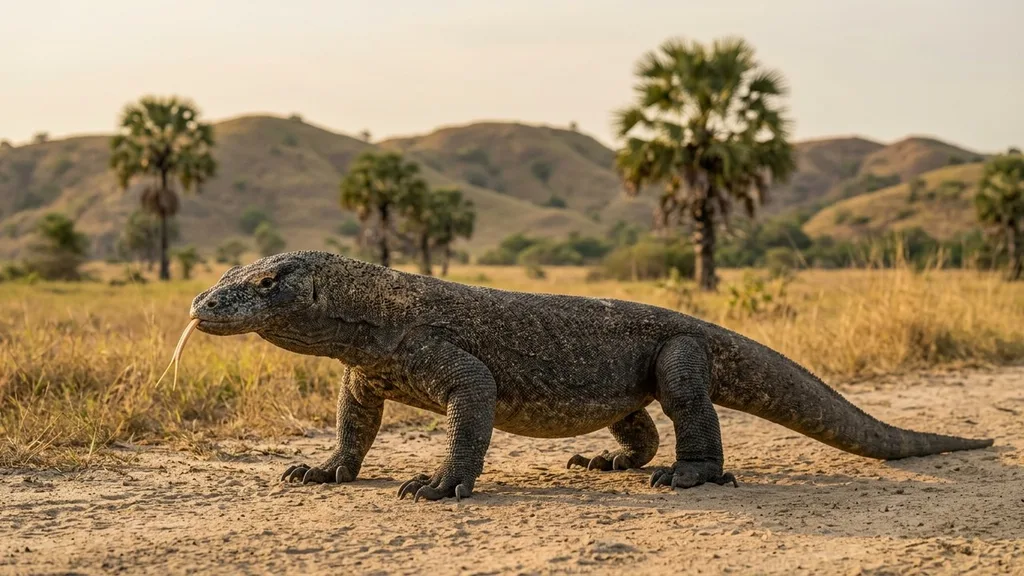
The Komodo dragon is a rare animal. The best recent estimate puts the wild population at about 3,500 individuals, adults and juveniles together, as of 2021. That is a small number for the world’s heaviest lizard, and it explains why conservation groups watch the species closely.
Those dragons are not one big group. They live in eight separate subpopulations spread across six Indonesian islands, so trouble on one island does not automatically hit the others.
The current count and how it changed
The trend matters as much as the total. From 1981 to 2021 the wild population fell from 5,000 animals to 3,500, which works out to a 30% drop over four decades. That drop helped trigger a new status on the global list of threatened species.
From Vulnerable to Endangered
The IUCN moved the Komodo dragon from Vulnerable to Endangered on its Red List in 2021. The change reflects the shrinking population and the threats that keep growing around it.
Where the remaining dragons live
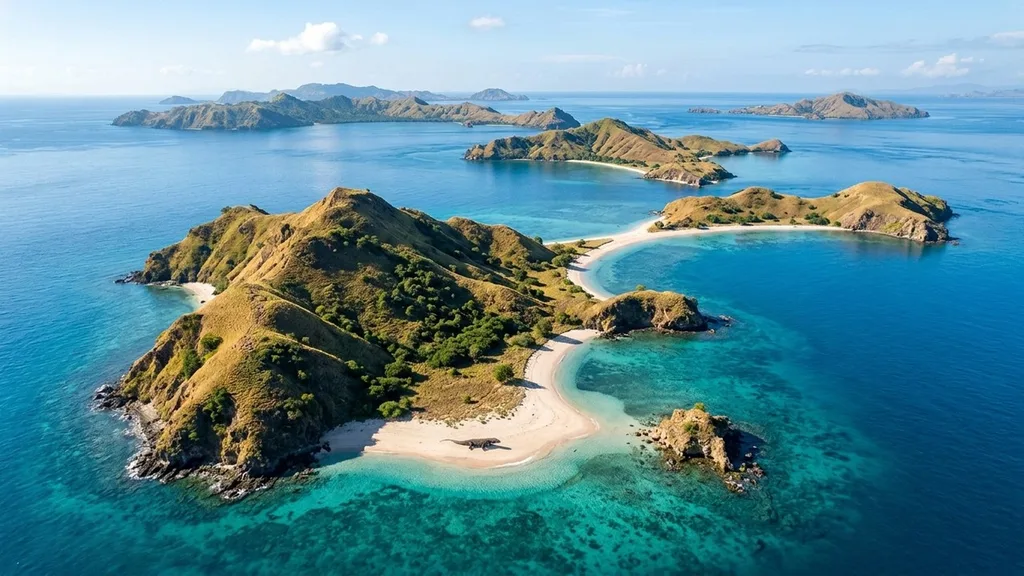
Komodo dragons occur only in a tiny corner of the world. The species is found in the lesser Sunda region of Indonesia, including the islands of Komodo, Flores, Rinca and Padar, though Padar has had no confirmed sightings since the 1970s.
Their whole range is squeezed into less than 350 square miles (900 sq km). No other large predator has a smaller home range, which leaves the species little room to recover if something goes wrong.
Most of the animals are concentrated in two places. Almost 70% of the total population lives on Komodo and Rinca, while three of the eight subpopulations live on Flores.
A lost island population
Not every island has kept its dragons. None have been seen on Padar since the 1970s, a loss linked to widespread poaching of deer. Deer are the dragon’s primary prey, so removing them starves the predator too.
Why the numbers are under pressure
The Endangered status has several causes. Prey depletion, poaching and habitat encroachment by humans all play a part.
Climate change adds a slower threat. Warmer global temperatures and the sea level rise that comes with them are projected to cut the amount of suitable habitat by at least 30% within 45 years. A separate projection says between 30 and 70% of the native range could be lost by 2040 because of rising seas.
Protected and unprotected dragons
Protection makes a large difference. The subpopulation inside Komodo National Park is stable and well protected. Dragons on Flores that live outside protected areas face major habitat loss from ongoing human activity.
The imbalance is stark on that island: no more than 10% of the Flores subpopulation lives inside a protected area.
What protects the species now
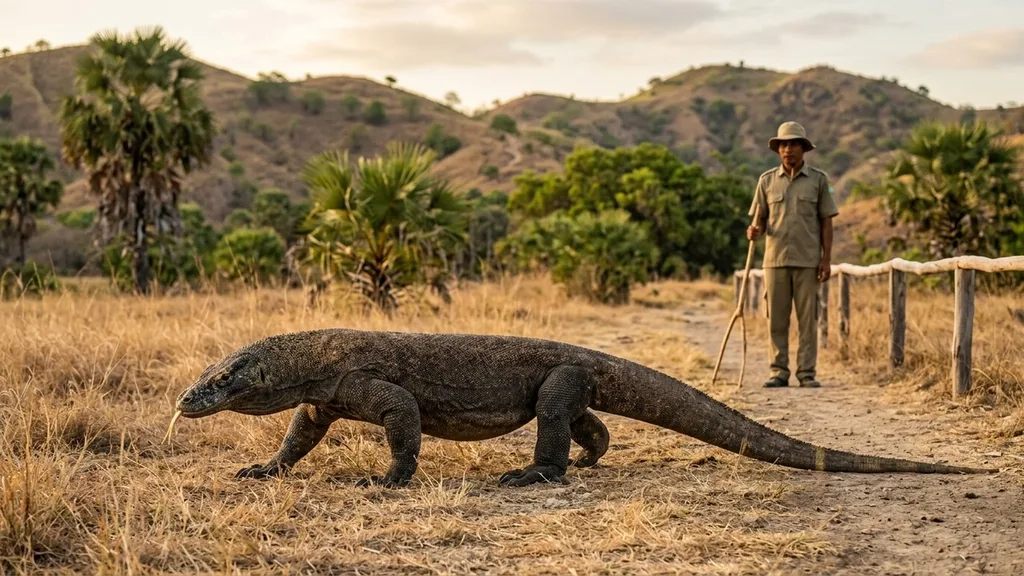
Komodo National Park was established in 1980. Together with strict anti-poaching laws, it has helped shield the dragons, although illegal activity still occurs.
Why a small population is so vulnerable
No lizard on Earth is bigger or heavier than the Komodo dragon, and it is also one of the few lizards with a venomous bite. Wild adults typically weigh about 154 pounds (70 kilograms). The largest verified specimen was 10.3 feet (3.13 meters) long and weighed 366 pounds (166 kilograms).
Such a big predator needs plenty of food. These lizards eat carcasses or stalk animals that range from small rodents to large water buffalo, so they depend on healthy prey populations across their islands.
Slow, risky reproduction
Females lay about 30 eggs, and the eggs incubate for about nine months. Survival is not guaranteed after hatching: young dragons often fall victim to predators, including other Komodo dragons.
Adults can live about 30 years in the wild, though scientists are still studying that figure.
The short answer
Roughly 3,500 Komodo dragons remain in the wild, all on a handful of Indonesian islands. The population has fallen by 30% over four decades, and the species is now listed as Endangered.
The most secure animals are those inside Komodo National Park. The greatest risks are for dragons outside protected land and for the whole range as seas rise.
Sources
- San Diego Zoo Wildlife Alliance: Komodo Dragon | San Diego Zoo Animals & Plants
- IUCN: Tuna species recovering despite growing pressures on marine life – IUCN Red List
- Smithsonian’s National Zoo: Komodo dragon | Smithsonian’s National Zoo and Conservation Biology Institute
- Animal Diversity Web: Varanus komodoensis (Komodo Dragon)