How big is a sperm whale? Size and biology of a giant
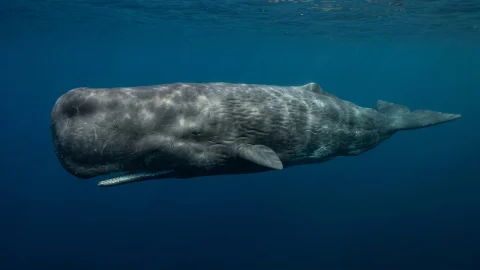
Adult sperm whales reach 52 feet and 45 tons, making them the largest toothed predators on Earth, with a massive brain, unique blowhole, and extreme diving ability.

Curiosities, questions and fascinating facts
 Animals Editorial Team
Adult sperm whales reach 52 feet and 45 tons, making them the largest toothed predators on Earth, with a massive brain, unique blowhole, and extreme diving ability.
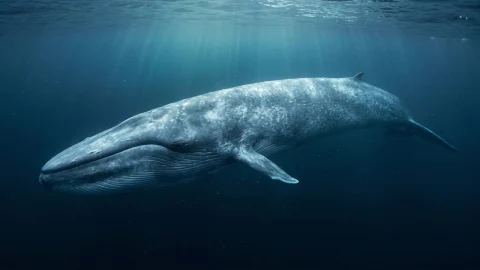
Yes, blue whales can live past 100 years. Learn how scientists measure their age and what allows them to survive for over a century in the wild.
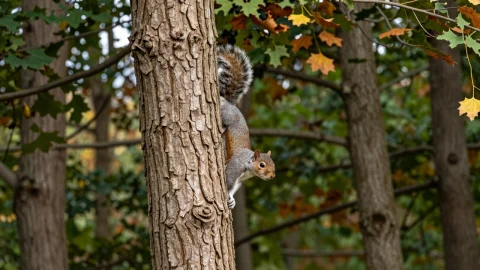
Most wild squirrels die in their first year, and the ones that make it typically live three to five years. Here is how species, predators and winter shape that.
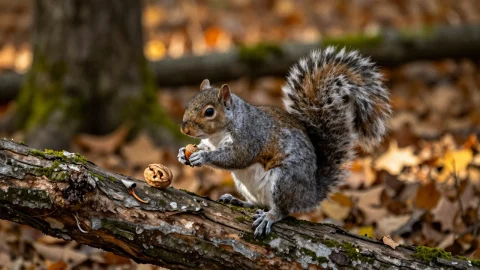
Squirrels eat meat opportunistically alongside seeds and nuts. Insects, eggs, nestlings and carrion all appear in their diet, driven by availability rather than preference.
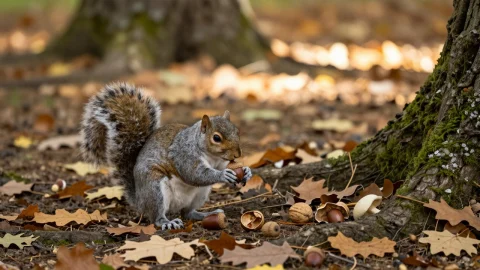
Squirrels are omnivores that eat acorns, nuts, conifer seeds, fungi, insects, fruit, buds and bird eggs, with their diet shifting by season and species.
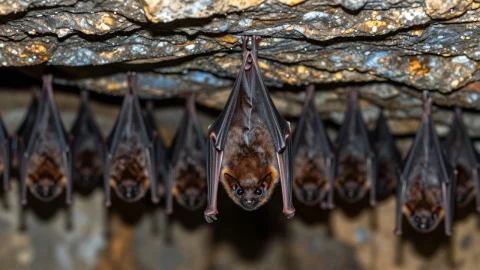
Wild bats typically live 10 to 25 years, with some species exceeding 40 years, far outlasting other mammals of similar body size.
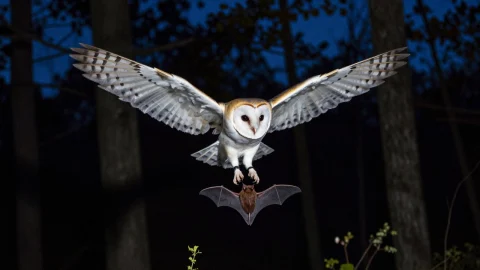
Owls, snakes, raccoons, spiders, and even other bats prey on bats at night, targeting them mostly at roosts rather than in flight.
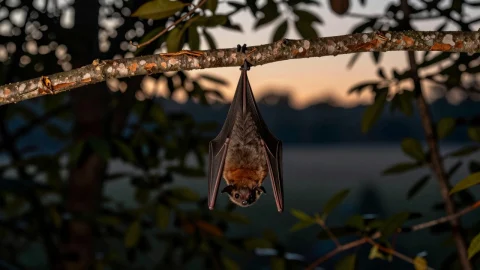
Bats normally avoid humans, and evidence shows that those which approach people are often sick. Here is what the research actually says about bat behavior and risk.
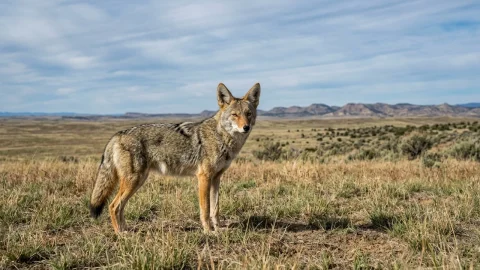
Coyotes live across North America from Panama to Alaska, thriving in forests, deserts, grasslands, and urban areas thanks to remarkable adaptability.
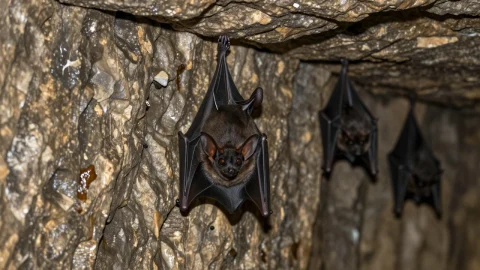
Only three of nearly 1,000 bat species drink blood. Learn which they are, how they feed, and why one of them is actually thriving thanks to livestock farming.