What do sperm whales eat? A guide to their diet
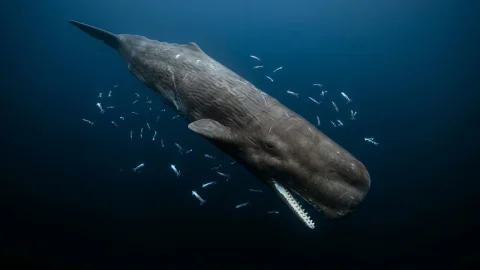
Sperm whales eat mainly small to medium squid, with fish, skates, and sharks filling the rest of a diet hunted in total deep-sea darkness.

Curiosities, questions and fascinating facts
 Animals Editorial Team
Sperm whales eat mainly small to medium squid, with fish, skates, and sharks filling the rest of a diet hunted in total deep-sea darkness.
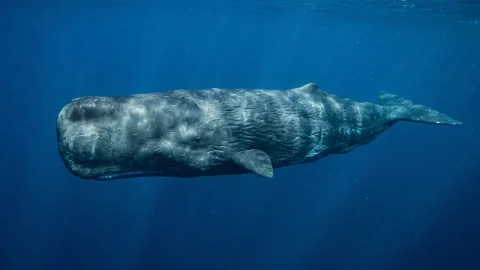
Sperm whales get their name from spermaceti, a waxy oil found in their enormous foreheads that whalers once mistook for the animal’s seed.
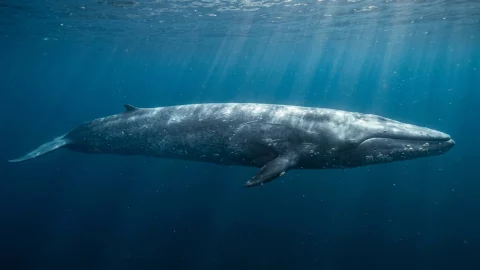
Blue whales live in every ocean except the Arctic, gathering where krill concentrates. Learn their five regional ranges, seasonal migrations, and conservation status.
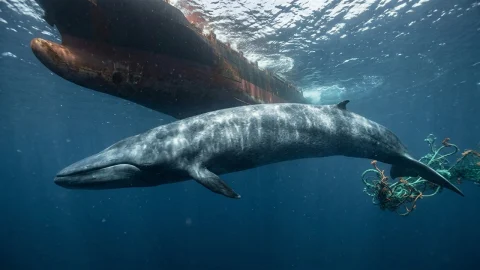
Blue whales have virtually no natural predators as adults, yet remain endangered due to ship strikes and fishing gear entanglement caused by human activity.
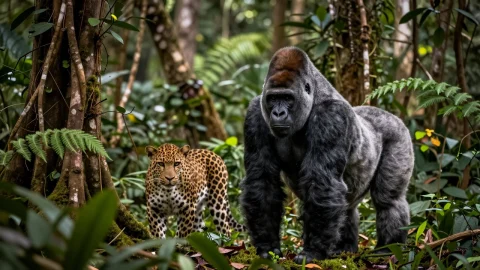
Humans are the gorilla’s worst enemy through poaching, deforestation, and disease. Leopards are the only natural predator, but their impact is negligible.
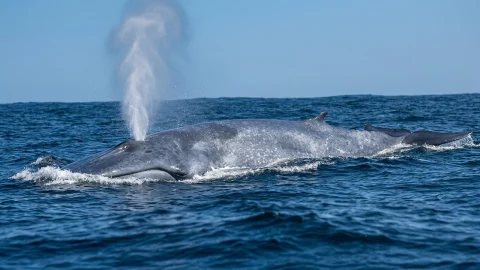
Blue whales are rarely spotted because fewer than 25,000 survive after industrial whaling, and they roam deep offshore waters far from where people look.
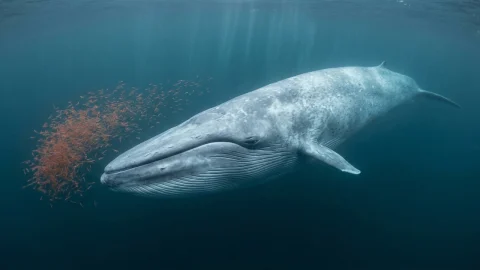
Blue whales eat almost exclusively krill, consuming up to 4 tons a day by lunging into dense swarms and filtering the water back out in one enormous mouthful.

Cheetahs have solid spots, tear-stripe markings, and semi-retractable claws built for speed, while leopards show rosette patterns, heavier frames, and retractable claws suited for climbing.

Wild red pandas live 8 to 10 years on average, while captive red pandas can live well past that, averaging 13.4 years and reaching as much as 23 years.
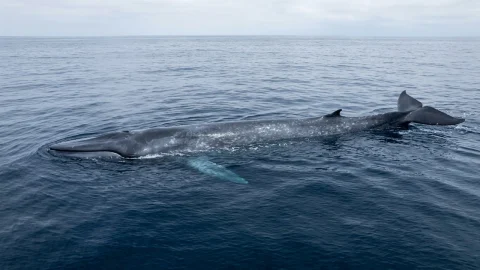
Blue whales measure 25 to 33 m long and weigh up to an estimated 270 tons, making them the heaviest animals ever to have lived on Earth.