How far will a polar bear chase you? Sprint limits
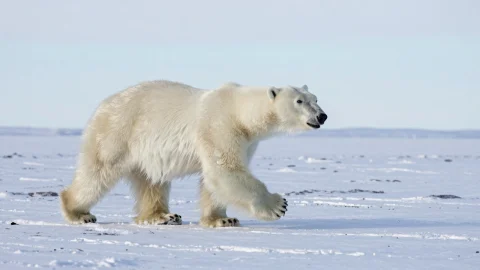
A polar bear’s land sprint ends quickly due to overheating and high energy cost. Learn how far they actually chase, how they hunt, and how to stay safe.

Curiosities, questions and fascinating facts
A polar bear’s land sprint ends quickly due to overheating and high energy cost. Learn how far they actually chase, how they hunt, and how to stay safe.
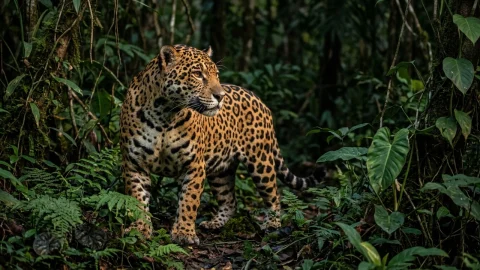
Jaguars are not friendly to humans. They are solitary, elusive ambush predators that avoid contact but can cause life-threatening injuries if cornered or provoked.
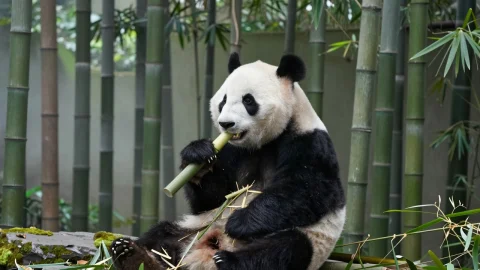
Giant pandas are not friendly to humans in a conventional sense. They are solitary, powerful wild bears that avoid contact and can bite when threatened.
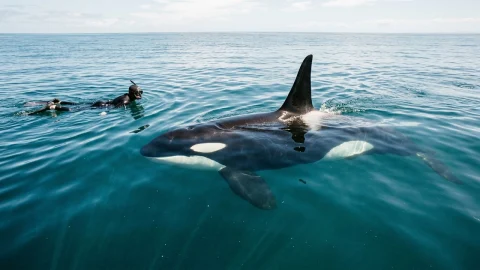
No wild orca has ever killed a human. Learn why killer whales are curious rather than dangerous and what science says about their behavior near people.
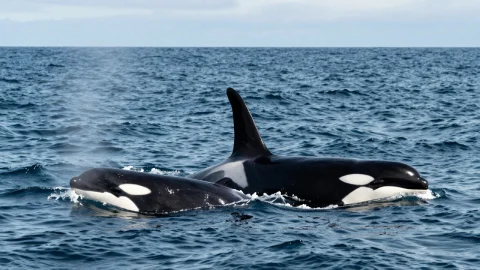
Adult orcas have no natural predators, but human activity threatens their survival through noise, chemical pollution, and vanishing prey.
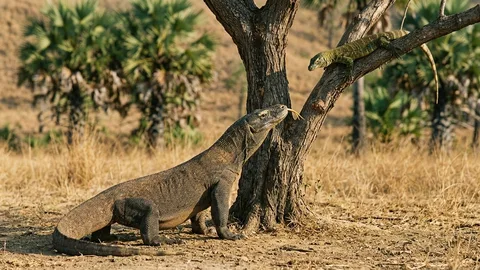
Adult Komodo dragons have no natural predators. Young ones are eaten mostly by adult dragons, and humans threaten the species through killing, habitat loss and trade.
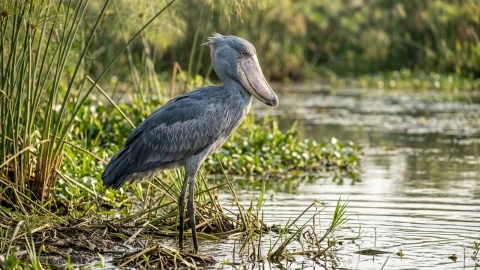
The shoebill is mostly silent, but it clatters its huge bill as a greeting at the nest. Adults also moo and whine, and chicks hiccup when hungry.
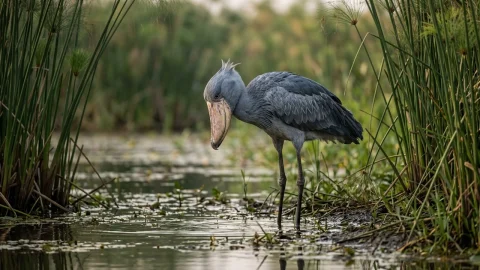
A shoebill is clever in a practical way: it stays still for hours, picks easy hunting spots and cools its eggs with water. Here is what its behavior shows.
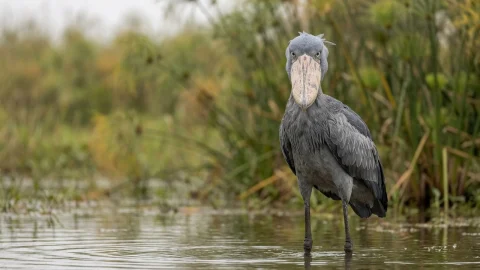
Shoebills stare because it is how they hunt. They stand motionless in shallow water, watching for lungfish, so the death stare is patience, not hostility.
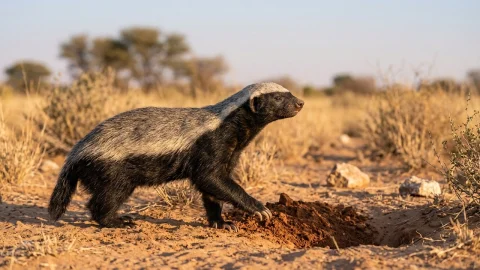
Honey badgers show intelligence through flexible foraging, digging, climbing, and careful risk management. No test scores exist, but behavior points to a resourceful animal.