Are raccoons dangerous? What the real risks are
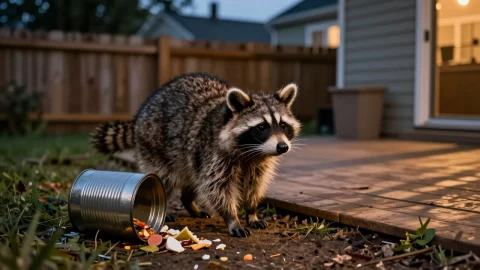
Raccoons rarely attack people, but they carry rabies and a roundworm that poses real health risks. Here is what you need to know to stay safe around them.

Curiosities, questions and fascinating facts
Raccoons rarely attack people, but they carry rabies and a roundworm that poses real health risks. Here is what you need to know to stay safe around them.
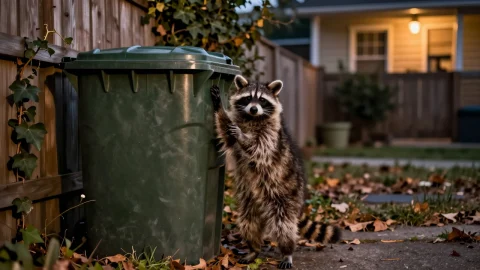
Raccoons retain learned foraging skills for months, averaging close to a year. They remember your yard and routines, but recognize you as a food source, not as an individual.

Humans are the red panda’s worst enemy. Learn how habitat loss, poaching, domestic dogs, and disease threaten this endangered Himalayan species.
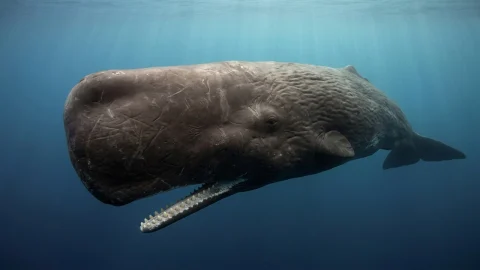
Sperm whales are not aggressive toward people. Their documented aggression includes protecting calves from killer whales and opportunistically stripping fish from longlines.
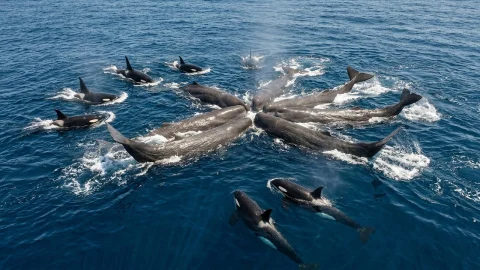
Killer whales are the only confirmed predators of sperm whales, targeting calves and females. Sharks pose only a minor, occasional risk to calves; whaling and entanglement are the real added threats.
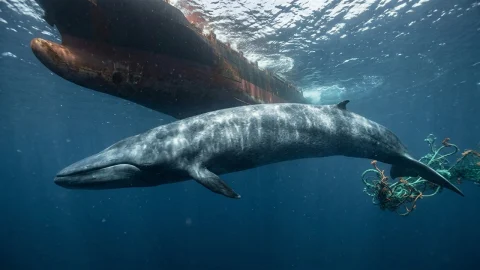
Blue whales have virtually no natural predators as adults, yet remain endangered due to ship strikes and fishing gear entanglement caused by human activity.
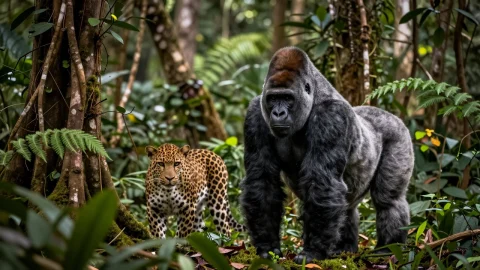
Humans are the gorilla’s worst enemy through poaching, deforestation, and disease. Leopards are the only natural predator, but their impact is negligible.
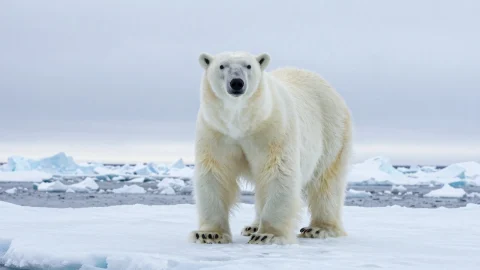
Polar bears are apex Arctic predators that rarely attack humans, but nutritional stress and climate change are increasing dangerous encounters near coastal communities.
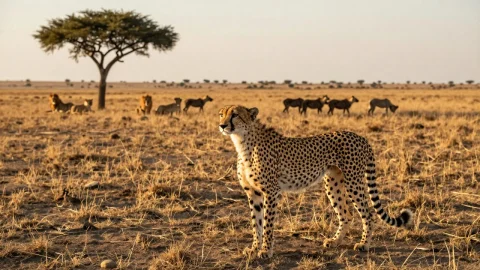
Lions, spotted hyenas, and leopards are the main animals that eat cheetahs, preying mostly on helpless cubs, while adults survive by running and avoiding confrontation.
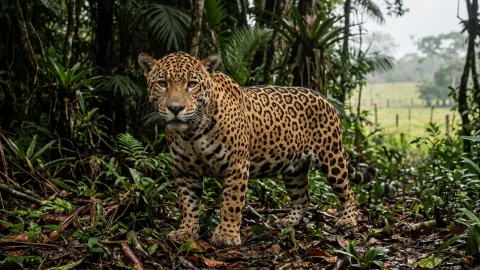
No wild animal reliably hunts adult jaguars. Their only confirmed predator is humans, through habitat loss, persecution, and illegal trade.