Skip to content
Animal Fact File

Animal Fact File

Curiosities, questions and fascinating facts

  • Animals
    • Big cats
      • Lion
      • Tiger
      • Cheetah
      • Leopard
      • Jaguar
    • Bears, pandas and wolves
      • Bear
      • Polar bear
      • Giant panda
      • Red panda
      • Wolf
    • Safari animals
      • Elephant
      • Hippo
      • Rhinoceros
      • Giraffe
      • Zebra
      • Gorilla
    • Ocean life
      • Orca
      • Blue whale
      • Sperm whale
      • Dolphin
      • Octopus
      • Jellyfish
      • Penguin
    • Backyard animals
      • Raccoon
      • Opossum
      • Squirrel
      • Bat
      • Coyote
    • Odd and unusual
      • Axolotl
      • Shoebill
      • Komodo dragon
      • Capybara
      • Honey badger
      • Platypus
    • All animals
  • Printables & tools
    • Axolotl coloring pages
    • Capybara coloring pages
    • Random animal generator
  • Topics
    • Physical Characteristics
    • Wild Habitats
    • Diet & Hunting
    • Natural Behaviors
    • Species & Conservation
    • Reproduction & Life Cycle
  • Español

Physical Characteristics

How fast can axolotls swim? slow walkers, quick bursts
September 26, 2026 by Animals Editorial Team
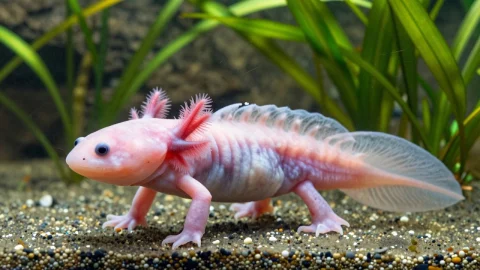
Axolotl launching into a fast burst swim near aquatic plants.

Discover how fast axolotls swim, exploring their slow bottom-walking pace, 10 mph emergency bursts, aquatic hunting tactics, and unique movement styles.

Categories Physical Characteristics Tags Axolotl

Why touching axolotls harms their skin and health

October 7, 2026September 26, 2026 by Animals Editorial Team
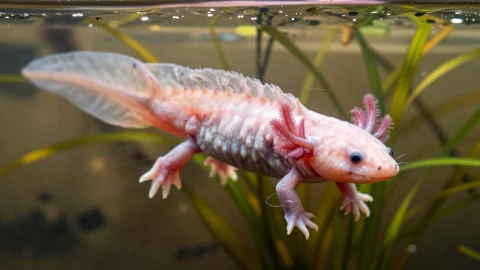
Pink axolotl floating in clear water among green aquatic plants.

Discover why touching axolotls damages their delicate, permeable skin, soft body, and stress levels, and how to safely observe them in clean water.
Categories Physical Characteristics Tags Axolotl

How big is a shoebill? Height, wingspan, and weight

October 6, 2026September 26, 2026 by Animals Editorial Team
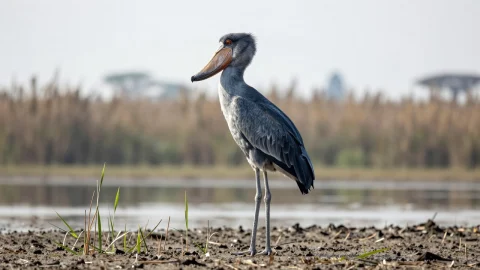
A tall shoebill stork standing upright in an open marsh, showcasing its height, large body, and thick shoe-shaped bill.

Discover the size, height, wingspan, and weight of the shoebill, along with its unique bill anatomy and survival adaptations in African wetlands.
Categories Physical Characteristics Tags Shoebill

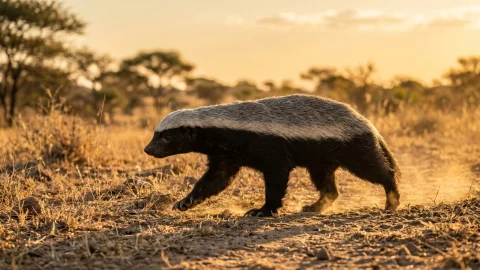
How big is a honey badger? Dimensions and mass

September 26, 2026 by Animals Editorial Team
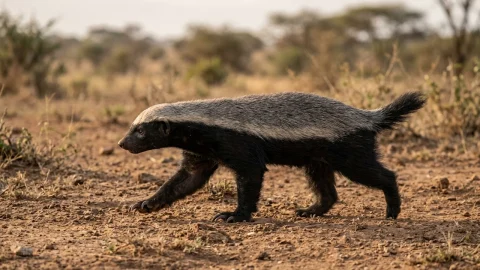
Honey badger walking across a dry African savanna displaying its compact muscular frame and white back stripe

Discover the honey badger size, weight, and physical dimensions. Learn about adult mass, shoulder height, anatomical features, and growth from cub to adult.
Categories Physical Characteristics Tags Honey badger

Why the honey badger is so tough: skin, claws and nerve

September 26, 2026 by Animals Editorial Team
Honey badger foraging on sunlit African savanna ground, showing white dorsal mantle and dark fur.

Discover how the honey badger uses loose skin, powerful digging claws, resistance to venom, and aggressive defense to survive against apex predators.
Categories Physical Characteristics Tags Honey badger

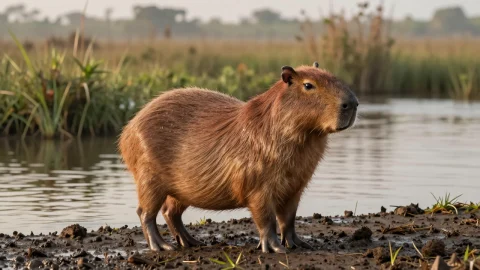
How big is a capybara and how much does it weigh?

September 26, 2026 by Animals Editorial Team
Adult capybara standing on a muddy riverbank showing its robust body size and brown fur.

Learn how big capybaras get and how much they weigh, including average height, maximum weight records, and physical adaptations for wetland living.
Categories Physical Characteristics Tags Capybara

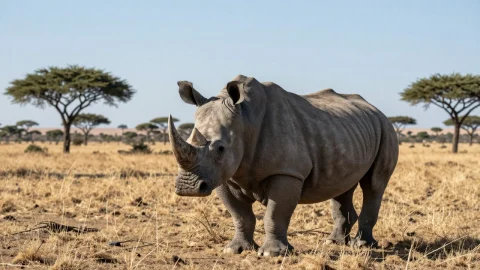
How far away can a rhinoceros hear? Sound range and auditory adaptions

September 25, 2026September 24, 2026 by Animals Editorial Team
A rhinoceros standing on savannah plains, swiveling its large ears to listen for distant sounds.

Learn how far a rhinoceros can hear, how its rotating tubular ears function, and why acute hearing compensates for its remarkably poor vision.
Categories Physical Characteristics Tags Rhinoceros

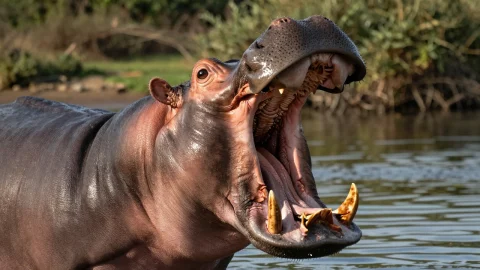
Do hippopotamuses have teeth in their upper jaw?

September 25, 2026September 24, 2026 by Animals Editorial Team
Detailed close-up view of a hippopotamus mouth open wide, displaying upper and lower incisors and sharp tusks in natural daylight.

Learn about the dental structure of hippopotamuses, including their upper jaw teeth, tusks, incisors, and how they function for defense and survival.
Categories Physical Characteristics Tags Hippopotamus

Do zebra foals have brown stripes when they are born?

October 11, 2026September 24, 2026 by Animals Editorial Team
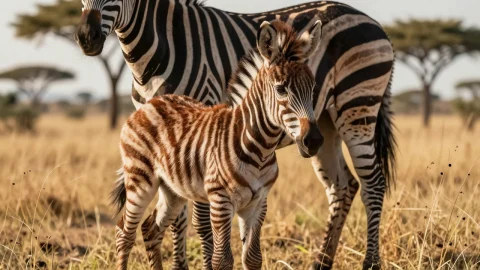
Newborn zebra foal with reddish brown stripes standing beside its mother in golden savanna grass.

Zebra foals are born with reddish-brown stripes that gradually darken to black as they age, providing camouflage and protection from predators.
Categories Physical Characteristics Tags Zebra

How snow leopards differ physically from African leopards

September 25, 2026September 24, 2026 by Animals Editorial Team
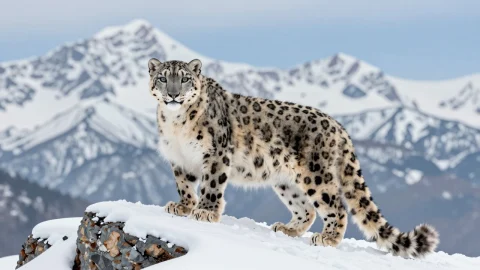
A snow leopard with thick smoky grey fur and a long plush tail standing on a snowy mountain ridge.

Discover key physical differences between snow leopards and African leopards, including coat density, tail length, paw structure, and body size adaptations.

Categories Physical Characteristics Tags Leopard
Older posts
Newer posts
← Previous Page1 … Page7 Page8 Page9 … Page12 Next →

Browse animals

Big cats
  • Lion
  • Tiger
  • Cheetah
  • Leopard
  • Jaguar
  • All big cats
Bears, pandas and wolves
  • Bear
  • Polar bear
  • Giant panda
  • Red panda
  • Wolf
  • All bears, pandas and wolves
Safari animals
  • Elephant
  • Hippo
  • Rhinoceros
  • Giraffe
  • Zebra
  • Gorilla
  • All safari animals
Ocean life
  • Orca
  • Blue whale
  • Sperm whale
  • Dolphin
  • Octopus
  • Jellyfish
  • Penguin
  • All ocean life
Backyard animals
  • Raccoon
  • Opossum
  • Squirrel
  • Bat
  • Coyote
  • All backyard animals
Odd and unusual
  • Axolotl
  • Shoebill
  • Komodo dragon
  • Capybara
  • Honey badger
  • Platypus
  • All odd and unusual

Recent articles

  • Are platypuses poisonous? Male spurs, venom and pain symptoms
  • Is a platypus a mammal? Egg laying, milk and venomous spurs
  • Do platypuses glow in the dark? UV glow, colours and camouflage
  • Do platypuses sweat milk? Mammary patches and nursing
  • Why do octopuses have three hearts? Gill and systemic flow

Animals

  • Big cats
  • Bears, pandas and wolves
  • Safari animals
  • Ocean life
  • Backyard animals
  • Odd and unusual

Printables & tools

  • Axolotl coloring pages
  • Capybara coloring pages
  • Random animal generator
© 2026 Animal Fact File ·
  • About
  • Editorial policy & AI disclosure
  • Privacy policy
  • Cookies policy
  • Contact
  • Español