What do bats eat? A guide to bats and their diets
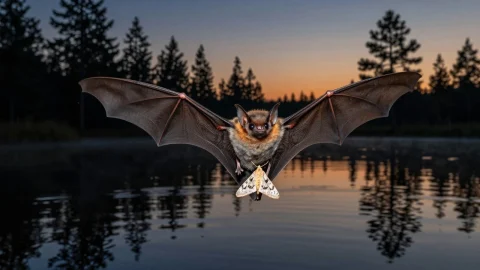
Most bats eat insects, but bats also feed on fruit, nectar, fish, other vertebrates, and blood. Learn what different bat species eat and why it matters.

Curiosities, questions and fascinating facts
 Animals Editorial Team
Most bats eat insects, but bats also feed on fruit, nectar, fish, other vertebrates, and blood. Learn what different bat species eat and why it matters.
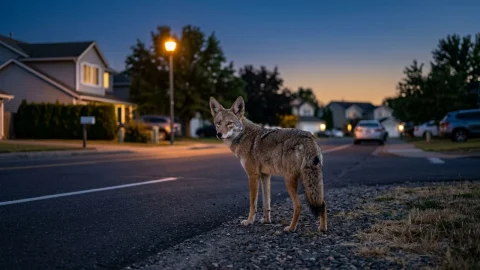
Coyotes rarely bite people and almost always flee from humans. Learn what triggers the exceptions, who is most at risk, and how to prevent conflict.
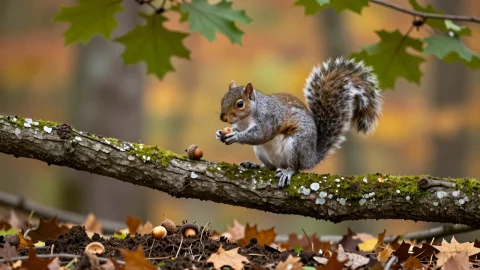
Squirrels bury seeds that grow into trees and feed rare predators, but they also raid feeders, strip bark, and gnaw into homes. Whether they help or harm depends on where they are.
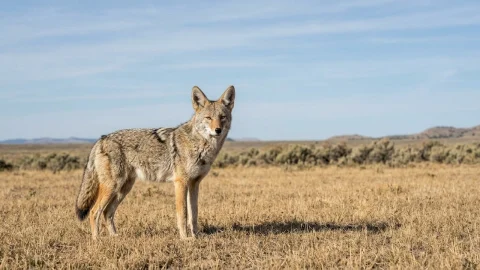
Coyotes eat small mammals, deer, fruit, carrion, insects and even garbage, with a menu that shifts by season, region and habitat to keep them thriving continent-wide.
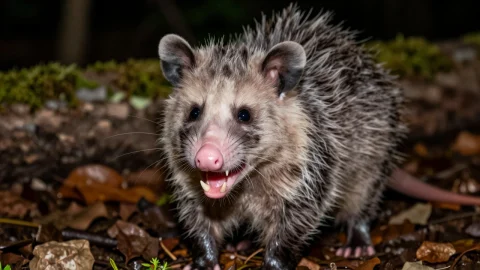
Adult opossums have 50 teeth, the highest count of any North American land mammal, built for an omnivorous diet rather than specialized predation.
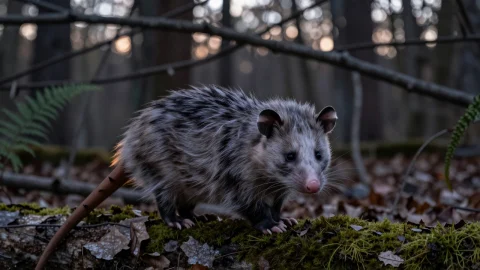
Opossums can carry rabies but confirmed cases are rare. A cool body temperature and low survival odds make them unlikely hosts next to bats, raccoons or skunks.
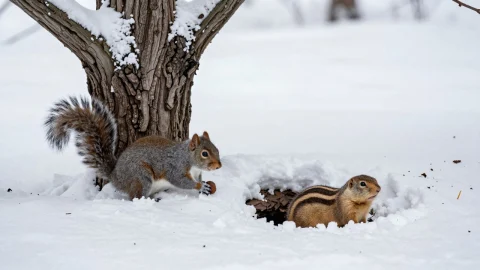
Tree squirrels stay active all winter by caching food. Only some ground squirrels truly hibernate, dropping close to freezing for months at a time.
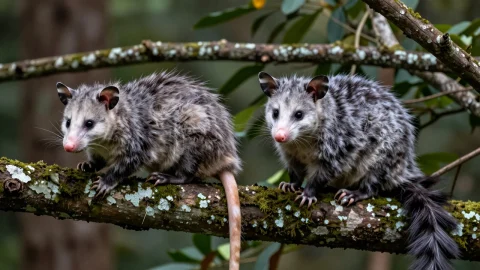
Opossums are American marsupials with 50 teeth and scaly prehensile tails, while possums are Australasian animals with furry tails and far longer lifespans. They split 80 million years ago.
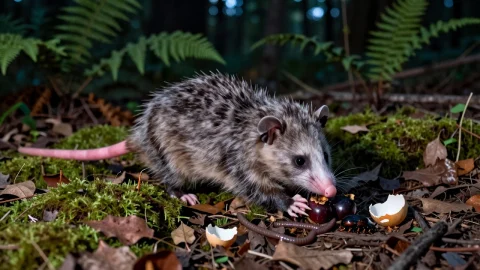
Opossums eat insects, fruit, rodents, carrion, and garbage. Learn what stomach studies reveal about their surprisingly balanced wild diet.
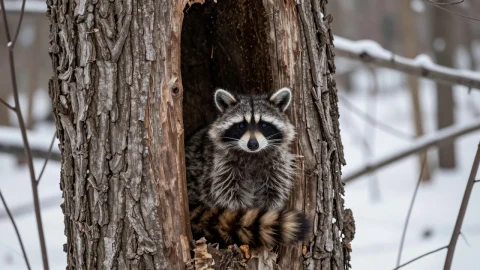
Raccoons do not hibernate. Instead they enter torpor, a flexible winter sleep that slows their metabolism while allowing them to wake and feed whenever conditions improve.