How fast can a blue whale go at top speed?
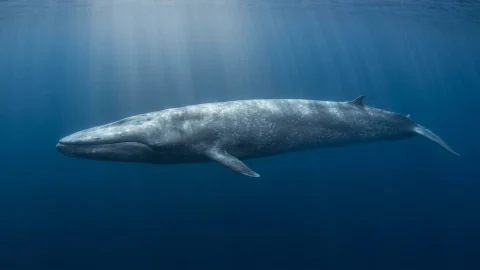
Blue whales cruise at about 5 mph and can sprint past 20 mph when alarmed, with feeding lunges reaching up to 5.7 m/s to engulf dense krill swarms.

Curiosities, questions and fascinating facts
 Animals Editorial Team
Blue whales cruise at about 5 mph and can sprint past 20 mph when alarmed, with feeding lunges reaching up to 5.7 m/s to engulf dense krill swarms.
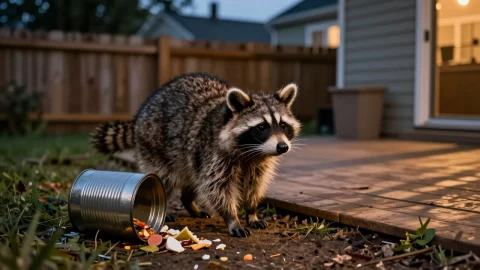
Raccoons rarely attack people, but they carry rabies and a roundworm that poses real health risks. Here is what you need to know to stay safe around them.
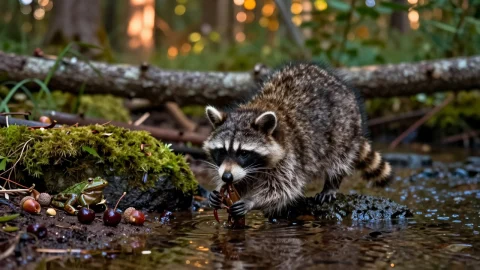
Raccoons are opportunistic omnivores that eat fruit, nuts, crayfish, insects, eggs, and urban food waste, with their diet shifting by season, habitat, and species.
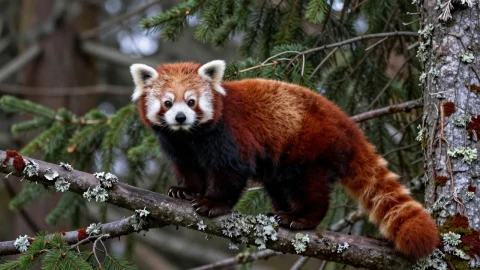
Red pandas have rust-red fur, black undersides, white-marked faces with dark tear streaks, ringed tails, and specialized paws built for high-altitude tree life.
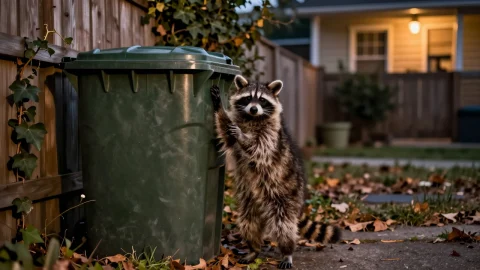
Raccoons retain learned foraging skills for months, averaging close to a year. They remember your yard and routines, but recognize you as a food source, not as an individual.
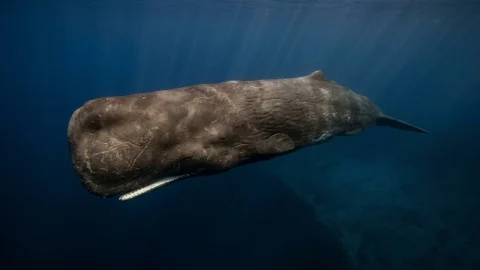
Sperm whales inhabit every ocean, from tropical seas to polar ice edges, concentrating over deep continental slopes and ocean basins where squid is abundant.
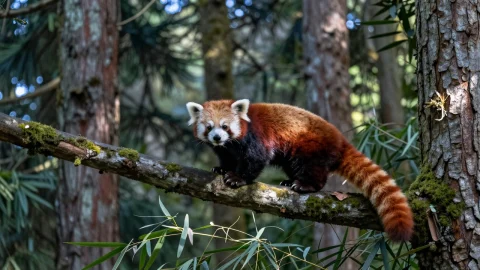
Humans are the red panda’s worst enemy. Learn how habitat loss, poaching, domestic dogs, and disease threaten this endangered Himalayan species.
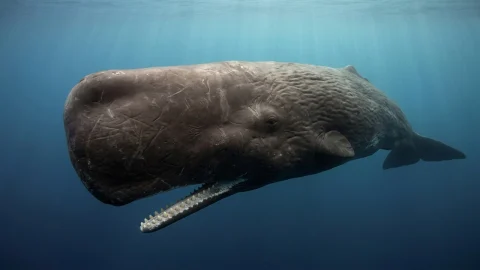
Sperm whales are not aggressive toward people. Their documented aggression includes protecting calves from killer whales and opportunistically stripping fish from longlines.
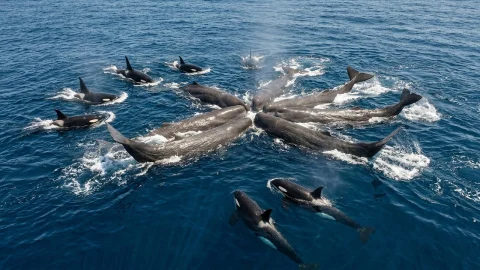
Killer whales are the only confirmed predators of sperm whales, targeting calves and females. Sharks pose only a minor, occasional risk to calves; whaling and entanglement are the real added threats.
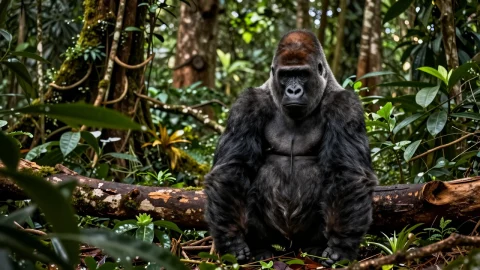
Gorillas live in equatorial Africa across two species and four subspecies, from Congo Basin lowland forests to Virunga volcanic slopes up to 4,000 meters.